MEDINDIA
 English
 हिन्दी
 Español
 français
 中文
中文
The same doctors who argue that they need to be involved in the care of our military veterans don't insist on being assigned to the front lines during military actions.


Opioid-free Anesthesia can Reduce Painkiller Use After Breast Cancer Surgery
While opioid drugs provide an excellent painkilling effect throughout operations, they also have side-effects such as respiratory depression and vomiting.
While opioid drugs provide an excellent painkilling effect throughout operations, they also have side-effects such as respiratory depression and vomiting.
TOP INSIGHT

Despite so much solid evidence to confirm the safety of anesthesia care provided by CRNAs with or without physician supervision, physicians groups nonetheless oppose the Veterans Health Administration's plan to help our military veterans.
"The Scope of Practice research in Medical Care is yet another excellent study confirming that CRNAs ensure patient access to safe, cost-effective anesthesia care," said Juan Quintana, DNP, MHS, CRNA, president of the American Association of Nurse Anesthetists (AANA) and a nine-year veteran of the Air Force Reserve. "The study also lends strong credence to the VHA's recommendation to use CRNAs and other APRNs to their full scope of practice because our veterans need and deserve timely access to the safest anesthesia care possible."
The timing of the study's publication in Medical Care coincides with publication of the Veterans Health Administration (VHA) proposed rule in the May 25 Federal Register which allows Certified Registered Nurse Anesthetists (CRNAs) and other advanced practice registered nurses (APRNs) to provide care to the full extent of their education and abilities in an effort to reduce long wait times for veterans seeking healthcare, a problem that has challenged the VHA for years. The proposed rule is consistent with recommendations from the National Academies of Medicine (formerly the Institute of Medicine) and backed by the results of an independent assessment of the VHA health system that was ordered by Congress and published in 2015. The rule is currently in a 60-day comment period ending July 25.
How Our Brain Works Under General Anesthesia
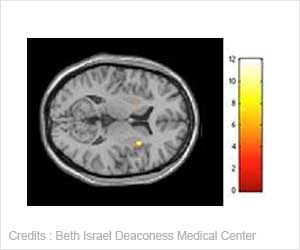
General anesthesia reflects a communication breakdown in the cortex, even though sensory information is getting processed in isolated cognitive islands.
General anesthesia reflects a communication breakdown in the cortex, even though sensory information is getting processed in isolated cognitive islands.
The VHA proposal is supported by more than 60 organizations, including AARP, veterans' groups, healthcare professional organizations including the American Association of Nurse Anesthetists (AANA) and other APRN associations, and 80 Democratic and Republican members of Congress.

Anesthesia Providers Views About Acupuncture and Acupressure
Most anesthesia providers in the US have not used or received any education in acupuncture or acupressure. However, the majority recognize its potential benefits.
Most anesthesia providers in the US have not used or received any education in acupuncture or acupressure. However, the majority recognize its potential benefits.
"Scope of Practice Laws and Anesthesia Complications" was funded by the AANA Foundation.

Risk of General Anesthesia is as Same as Local Anesthesia in Infants
The mental performance of babies who had received general anesthesia against those who had been given a local were analyzed and found no difference between the groups.
The mental performance of babies who had received general anesthesia against those who had been given a local were analyzed and found no difference between the groups.
 Email
Email