MEDINDIA
 English
 हिन्दी
 Español
 français
 中文
中文
The system combines two small chips, a microfluidic chip for sample preparation and an optofluidic chip for optical detection.
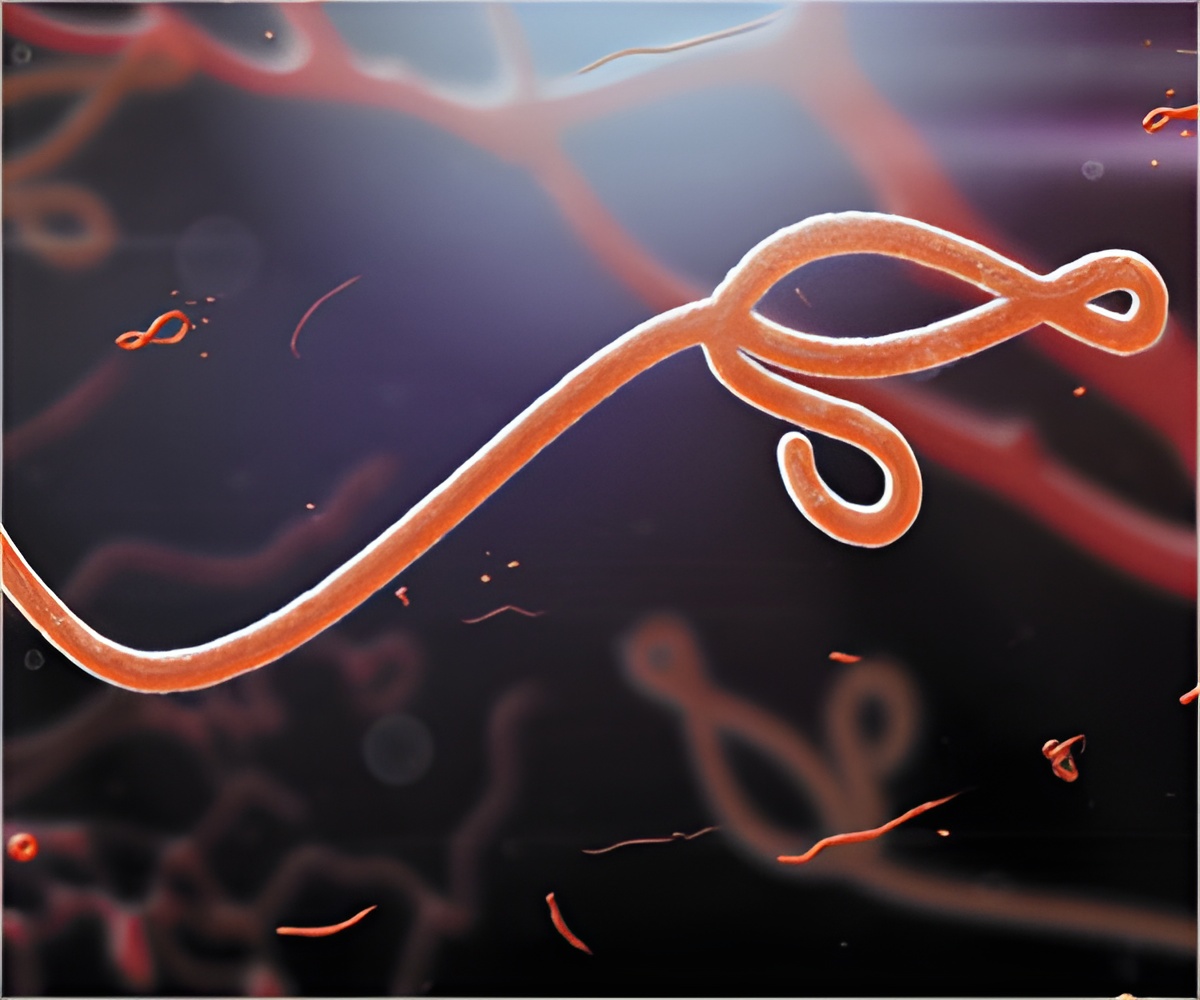
Teen Creates World�s Fastest Ebola Detecting Kit and Wins Google Science Fair Award
Oliva Hallisey develops a test that is 24 times faster than the currently available tests, and can be conducted even on those that show no symptoms.
Oliva Hallisey develops a test that is 24 times faster than the currently available tests, and can be conducted even on those that show no symptoms.
Laboratory tests using preparations of Ebola virus and other hemorrhagic fever viruses showed that the system has the sensitivity and specificity needed to provide a viable detection. The system combines two small chips, a microfluidic chip for sample preparation and an optofluidic chip for optical detection.
"We are now building a prototype to bring to the facility so that we can start with a blood sample and do a complete front-to-back analysis," Schmidt noted.
Experimental Ebola Drug 'ZMapp' Takes a Step Closer to the Market
The US Food and Drug Administration has granted a fast track status to ZMapp, and this could speed its arrival on the market, reported the drug-maker.
The US Food and Drug Administration has granted a fast track status to ZMapp, and this could speed its arrival on the market, reported the drug-maker.
Source-IANS

Needle-Free Inhalable Ebola Vaccine Useful in Remote Areas Devoid of Medical Personnel
A non-injectable vaccine showed positive results when tested on monkeys. It's easy to administer and also helps avoid the problem of needle disposal.
A non-injectable vaccine showed positive results when tested on monkeys. It's easy to administer and also helps avoid the problem of needle disposal.
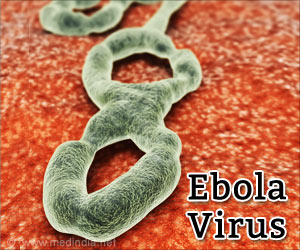
India-Based Ella Foundation Successfully Completes Preliminary Studies on Ebola Vaccine
Animal experiments have been successful and the foundation claims that the vaccine is just a few steps away from entering clinical trials for human testing.
Animal experiments have been successful and the foundation claims that the vaccine is just a few steps away from entering clinical trials for human testing.
 Email
Email