MEDINDIA
 English
 हिन्दी
 Español
 français
 中文
中文
Inadequate sleep may cost countries billions of dollars. Poor sleep is associated with lapses in attention and the inability to stay focused and compromised problem-solving ability. Short sleep may increase the risk of heart attacks, stroke, hypertension, obesity, diabetes, and depression.


Sleep Deprivation can lead to a Host of Serious Health Problems
Whether you have trouble sleeping or trouble staying asleep, it’s important that you address the causes of sleep deprivation and cultivate good sleep habits.
Whether you have trouble sleeping or trouble staying asleep, it’s important that you address the causes of sleep deprivation and cultivate good sleep habits.
TOP INSIGHT

Poor sleep may cost countries billions of dollars. Inadequate sleep is associated with lapses in attention and the inability to stay focused and compromised problem-solving ability. Short sleep may increase the risk of heart attacks, stroke, hypertension, obesity, diabetes, and depression.
The findings, published in the journal Sleep, showed that the overall cost of inadequate sleep in Australia in 2016-17 was an estimated $45.21 billion.
The situation is likely to be similar in equivalent economies, the study said.

Insomnia � The New Found Side-effect of Stroke
Insomnia is a likely long-term side effect of stroke. Research finds that stroke patients have sustained problems with sleep; they have poorer sleep with longer sleep latencies and lower sleep efficiency.
Insomnia is a likely long-term side effect of stroke. Research finds that stroke patients have sustained problems with sleep; they have poorer sleep with longer sleep latencies and lower sleep efficiency.
"Apart from its impact on well-being, this problem comes at a huge economic cost through its destructive effects on health, safety, and productivity. Addressing the issue by education, regulation, and other initiatives are likely to deliver substantial economic as well as health benefits," they added.

Why Lack of Sleep Shuts Down the Brain of Some but Not All
Sleep deprivation affects cognitive function differently from person to person. Recent research reveals why some sleep-deprived people experience worse cognitive functioning than others: the key is found in microRNAs.
Sleep deprivation affects cognitive function differently from person to person. Recent research reveals why some sleep-deprived people experience worse cognitive functioning than others: the key is found in microRNAs.
Furthermore, short sleep is also known to increase the risk of heart attacks, stroke, hypertension, obesity, diabetes, and depression.

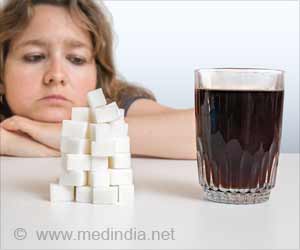
Sleep Loss Linked With Nighttime Snacking, Junk Food Cravings
New study links sleep loss with nighttime snacking, junk food cravings, obesity and diabetes.
New study links sleep loss with nighttime snacking, junk food cravings, obesity and diabetes.
Costs considered included financial costs associated with healthcare, informal care provided outside the healthcare sector, productivity losses, non-medical work and vehicle accident costs, deadweight loss through inefficiencies relating to lost taxation revenue and welfare payments; and nonfinancial costs of a loss of well-being.
The financial cost component was $17.88 billion, non-financial cost of reduced well-being was $27.33 billion, the study said.
The researchers argued that these costs warrant substantial investment in preventive health measures to address the issue through education and regulation.
The findings could have implications for other countries as well as the growth of the problem of insufficient sleep in Australia over time is shared by other nations with similar demographics.
Source-IANS
 Email
Email