MEDINDIA
 English
 हिन्दी
 Español
 français
 中文
中文
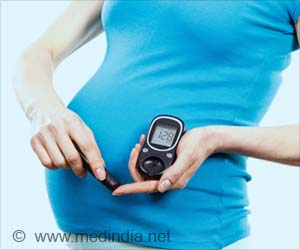
Poor blood sugar control is associated with an increased risk of fractures in patients with type 1 diabetes, reveals a new study.


Decoding HbA1c Test for Blood Sugar
The HbA1c assay is the gold-standard measurement of chronic glycemia and measures the amount of glucose that binds to hemoglobin over a period of 3 months
The HbA1c assay is the gold-standard measurement of chronic glycemia and measures the amount of glucose that binds to hemoglobin over a period of 3 months
TOP INSIGHT

Type 1 diabetics with poor blood sugar control are at a higher risk of fractures, reveals a new study.
Read More..
Good blood sugar control is an important goal for patients with diabetes. Clinicians typically measure a patient's glycemic control with the hemoglobin A1c test. The test both diagnoses diabetes and measures a patient's average blood sugar levels over a two- to three-month period. Patients run the risk of complications when blood sugar remains too high over time or falls too low.
"We investigated the association between the degree of glycemic control and fracture risk by using a large cohort of newly diagnosed type 1 and type 2 diabetes patients," said one of the study's authors, Janina Vavanikunnel, M.D., of the University Hospital Basel in Basel, Switzerland. "Both types of diabetes are associated with fragility fractures, and we showed that poor glycemic control is associated with an increased risk of fracture in type 1 diabetes."
Tests for Blood Sugar
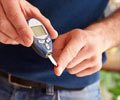
What is a blood sugar test? Blood sugar tests are used for diagnosis and management of diabetes. Common tests are HbA1C, fasting blood sugar, oral glucose tolerance and random blood sugar.
What is a blood sugar test? Blood sugar tests are used for diagnosis and management of diabetes. Common tests are HbA1C, fasting blood sugar, oral glucose tolerance and random blood sugar.
This study shows that poor glycemic control with an A1c level above eight percent is associated with an increased risk of fractures in patients with type 1 but not type 2 diabetes, at least in short-term disease. According to this study, the risk of fracture in patients with type 2 diabetes is likely due to factors beyond glycemic control, like other diabetes-related comorbidities.
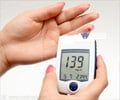
Diabetes Type 1, Type 2 - Causes Symptoms Diagnosis and Treatment FAQs
A comprehensive article on diabetes - both Type 1 and Type 2 diabetes, including : causes, signs, symptoms, diagnosis, treatment, facts and a glossary on diabetes.
A comprehensive article on diabetes - both Type 1 and Type 2 diabetes, including : causes, signs, symptoms, diagnosis, treatment, facts and a glossary on diabetes.
Other authors of the study include: Claudia Becker, and Cornelia Schneider of University Hospital Basel and University of Basel in Basel, Switzerland; Susan S. Jick of the Boston Collaborative Drug Surveillance Program and Boston University School of Medicine in Lexington, Mass.; Christoph R. Meier of University Hospital Basel, University of Basel and the Boston Collaborative Drug Surveillance Program; and Christian Meier of University Hospital Basel.

Glycemic Index (GI) - Importance, Weight Loss & Conclusions
GLYCEMIC INDEX (GI) is a scale which helps to rank carbohydrate- rich foods, depending on how they affect blood glucose levels, by comparing them to glucose.
GLYCEMIC INDEX (GI) is a scale which helps to rank carbohydrate- rich foods, depending on how they affect blood glucose levels, by comparing them to glucose.
Source-Eurekalert
 Email
Email