MEDINDIA
 English
 हिन्दी
 Español
 français
 中文
中文
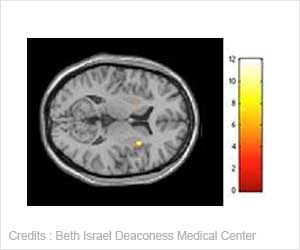
The more episodes of depression a person has, the greater the reduction in hippocampus size - an area of the brain responsible for memory and emotion.


Lower Levels of Testosterone Increases Depression Risk in Men
Clinicians should screen men, who are referred for treatment of potential hypogonadism, for depression, overweight and unhealthy lifestyle factors.
Clinicians should screen men, who are referred for treatment of potential hypogonadism, for depression, overweight and unhealthy lifestyle factors.
The participants experienced their first depressive episode when they had a normal hippocampus size. The shrinking began afterward.
For the study, 15 research institutes from across the world collaborated and examined the data of 8,927 people, 1,728 of whom had major depression and the rest of whom were healthy.

Resveratrol Found in Red Grapes and Red Wine can Help Ease Your Depression
The research is very relevant to today's society because it investigates potential treatments for people with an increased susceptibility to mental illnesses.
The research is very relevant to today's society because it investigates potential treatments for people with an increased susceptibility to mental illnesses.
"Persistent depression does more harm to the hippocampus the more you leave it untreated. The damage to the brain comes from recurrent illness," Hickie said. "Treating depression effectively does not just mean medicines. Social interventions are just as important," the author said.

Yoga may Reverse Ill-Effects of Chronic Pain, Anxiety, Depression
Grey matter is brain tissue with numerous cell bodies located in the cerebral cortex and subcortical areas. People with depression have reduced grey matter.
Grey matter is brain tissue with numerous cell bodies located in the cerebral cortex and subcortical areas. People with depression have reduced grey matter.
Source-IANS

Regular Yoga Practice May Lessen Prenatal Depression
Prenatal yoga was found to be feasible, acceptable, safe and effective for mild to moderately depressed women, reveals recent study.
Prenatal yoga was found to be feasible, acceptable, safe and effective for mild to moderately depressed women, reveals recent study.
 Email
Email