MEDINDIA
 English
 हिन्दी
 Español
 français
 中文
中文

Combined oral contraceptives are linked to a threefold increase in cryptogenic ischemic stroke risk in women aged 18 to 49.
Highlights:
Women who use combined oral contraceptives face a threefold higher risk of cryptogenic ischemic stroke, a type of stroke with no identifiable cause. This conclusion stems from newly released findings that strengthen existing concerns over the vascular risks posed by hormonal contraceptives in women of reproductive age (1✔ ✔Trusted Source- Oral contraceptives are associated with a threefold increased risk of cryptogenic ischemic stroke
- Increased stroke risk appears independent of other common vascular risk factors
- Most users were taking ethinylestradiol-based contraceptives with consistent estrogen doses
ESOC 2025: Combined oral contraceptives triple risk of cryptogenic stroke in young women, new study shows
Go to source). Cryptogenic ischemic stroke accounts for nearly 40% of all ischemic strokes in young adults, yet the role of sex-specific risk factors, particularly contraceptive use, has remained largely unexamined. Previous research has flagged a potential connection between oral contraceptives and stroke, but few studies have zoomed in on this specific form of stroke in young women.

Quiz on Contraceptives
Welcome to the Contraceptives Quiz! Contraceptives play a key role in reproductive health and this quiz will introduce you to a range of contraceptive methods, including hormonal options, barrier methods, and long-term solutions like IUDs. Each ...
Welcome to the Contraceptives Quiz! Contraceptives play a key role in reproductive health and this quiz will introduce you to a range of contraceptive methods, including hormonal options, barrier methods, and long-term solutions like IUDs. Each ...
TOP INSIGHT

Did You Know?
Women aged 18 to 49 using combined oral contraceptives face a three times higher risk of cryptogenic ischemic stroke. #medindia #stroke #oralcontraceptives
Cryptogenic Stroke Risk Evaluated in Young Women
The SECRETO study examined 268 women between the ages of 18 and 49 who had experienced cryptogenic ischemic stroke and compared them with 268 age-matched stroke-free women across 14 centers in Europe. Among participants, 66 stroke patients and 38 controls were using combined oral contraceptives. After adjusting for factors like age, smoking, hypertension, migraines with aura, and abdominal obesity, the researchers found that contraceptive use alone tripled the risk of stroke. Importantly, this elevated risk appeared to act independently of other common contributors.Dr. Mine Sezgin, lead author and neurologist at Istanbul University, emphasized the significance of the findings. “The strength of the association, even after accounting for other risk factors, suggests there could be other underlying mechanisms at play—potentially biological or genetic,” she noted.
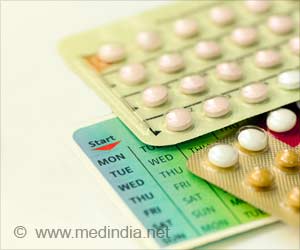
Oral Contraceptives may Increase the Risk of Ischemic Stroke
Oral contraceptives may increase the risk of ischemic stroke among women. It causes a stroke by increasing blood pressure and by making blood hypercoagulable.
Oral contraceptives may increase the risk of ischemic stroke among women. It causes a stroke by increasing blood pressure and by making blood hypercoagulable.
Formulation Types and Estrogen Doses Under Review
The majority of women in the study were using contraceptives based on ethinylestradiol, with a median estrogen dose of 20 micrograms. Other estrogen types, such as estradiol hemihydrate and estradiol valerate, were also represented. Researchers calculated each participant’s total estrogen exposure to maintain consistency across the study group (2✔ ✔Trusted SourceCryptogenic stroke
Go to source).
Dr. Sezgin stressed that while these findings offer early insight, much larger investigations will be needed to determine whether different contraceptive formulations carry varying levels of risk. Understanding these distinctions could eventually support more personalized approaches to contraception, tailored to individual risk profiles.

Childhood Stroke Result of Contraceptive Pill, Smoking
Chidhood stroke has as its risk factor oral contraceptives coupled with smoking or anaemia, researchers say after their study.
Chidhood stroke has as its risk factor oral contraceptives coupled with smoking or anaemia, researchers say after their study.
Caution Urged in Clinical Decisions
Although further prospective research is required, the study’s authors advise clinicians to exercise caution when prescribing combined oral contraceptives to women with existing vascular risk factors or a prior history of stroke. “These results should prompt a more thorough risk assessment for stroke, especially in young women who already face additional health concerns,” Dr. Sezgin concluded.Future research will explore the potential genetic and biological factors that may explain why oral contraceptives independently elevate the risk of cryptogenic stroke. Such findings could deepen understanding of vascular health in women and help refine safer contraceptive options. In conclusion, combined oral contraceptives increase the risk of unexplained ischemic stroke in young women, making it essential to consider individual health factors when choosing contraception.
References:
- ESOC 2025: Combined oral contraceptives triple risk of cryptogenic stroke in young women, new study shows - (https://www.prnewswire.co.uk/news-releases/esoc-2025-combined-oral-contraceptives-triple-risk-of-cryptogenic-stroke-in-young-women-new-study-shows-302458942.html)
- Cryptogenic stroke - (https://www.neurology.org/doi/10.1212/CPJ.0000000000000086)
Source-Medindia

Higher the Estrogen Exposure, Lower the Risk of Stroke
Does estrogen exposure influence the risk of stroke over time?
Does estrogen exposure influence the risk of stroke over time?
 Email
Email