MEDINDIA
 English
 हिन्दी
 Español
 français
 中文
中文
New insights on how certain transport proteins are working at the molecular level can pave the way for developing novel, improved drugs to treat mood and behavior disorders.
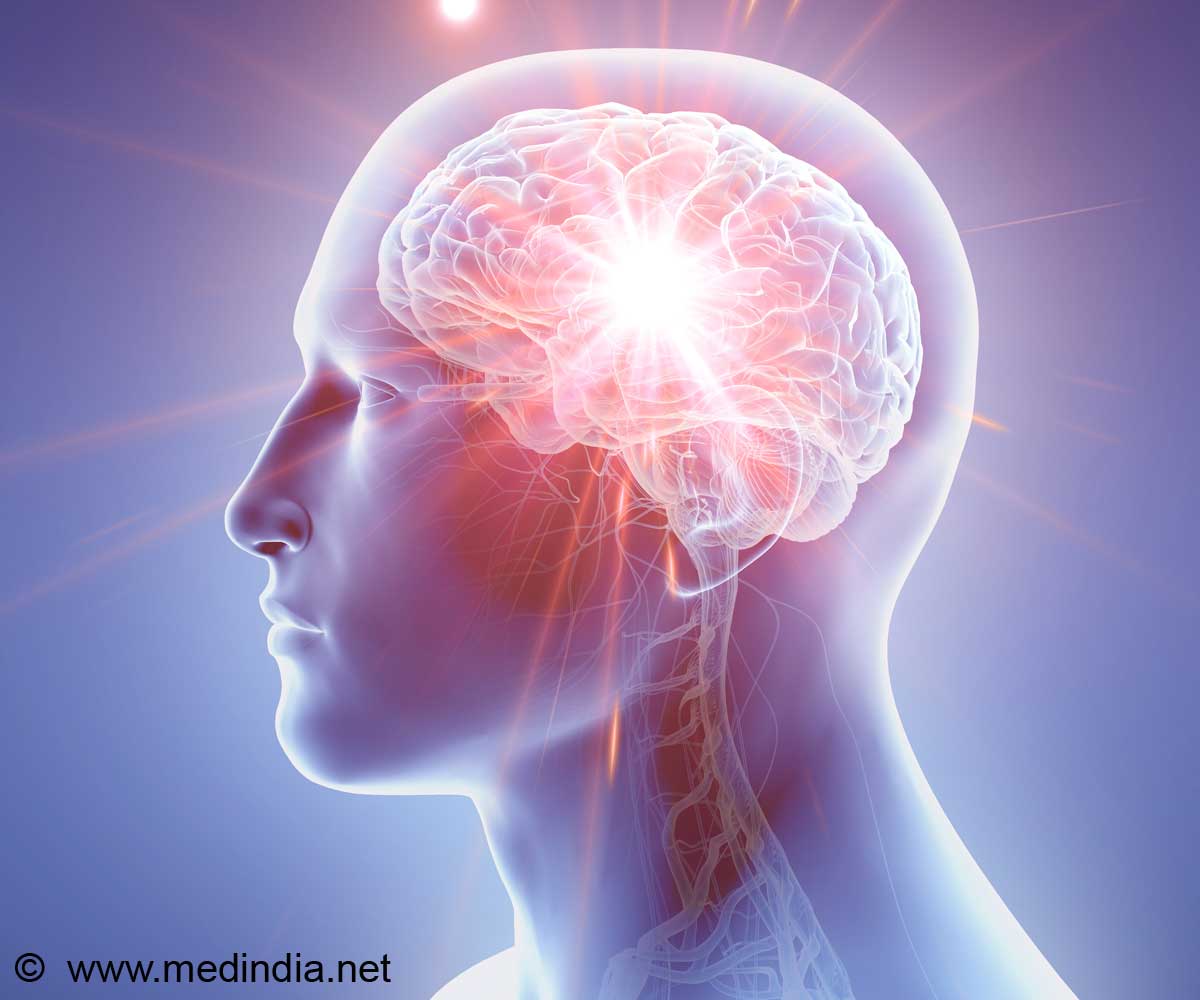

Mood Swings - Causes, Symptoms, Diagnosis, Treatment and Prevention
It is normal to go through mood changes such as joy, sadness or anger every day, but when these mood swings are extreme enough to disrupt daily life, it may indicate an underlying medical condition. Find out why people have mood swings and how to treat them.
It is normal to go through mood changes such as joy, sadness or anger every day, but when these mood swings are extreme enough to disrupt daily life, it may indicate an underlying medical condition. Find out why people have mood swings and how to treat them.
TOP INSIGHT

New study sheds light on how certain transport proteins are working at the molecular level can pave the way in developing new therapeutics to treat certain psychiatric disorders.
Led by CUIMC researchers Matthias Quick, PhD, Associate Professor of Neurobiology (in Psychiatry) at Columbia University Vagelos College of Physicians and Surgeons and Jonathan Javitch, MD, PhD, Lieber Professor of Experimental Therapeutics in Psychiatry and Professor of Pharmacology at Columbia University Vagelos College of Physicians and Surgeons, the team had previously studied a bacterial version of NSS (LeuT). This work revealed the existence of an unexpected second substrate binding site that was shown to also bind drugs. The team's new study examined another bacterial NSS homolog (MhsT) that is even more functionally similar to its human counterparts. Their finding of a second substrate binding site in this NSS, too, powerfully suggests that the same configuration is likely found in human NSS as well, and dispels much of the previous skepticism.
"These data suggest that the involvement of two binding sites in neurotransmitter transport is not unique to LeuT but shared by other NSS members, and is possibly a universal feature of these many transport proteins," says Dr. Javitch.

Psychiatric Disorders may be Genetic: Study
Psychiatric Disorders such as schizophrenia, bipolar disorder may be genetic. Psychiatric disorders may have important molecular similarities that are not reflected in current diagnostic categories.
Psychiatric Disorders such as schizophrenia, bipolar disorder may be genetic. Psychiatric disorders may have important molecular similarities that are not reflected in current diagnostic categories.
"Looking forward, incorporating the knowledge from this new discovery into future NSS research could lead to better-informed therapeutics research and design, ultimately improving the lives of the millions of Americans afflicted with psychiatric disorders," says Dr. Quick.
Links Between Protein Involved in Memory Formation And Psychiatric Disorders Found By Study
Psychiatric disorders were linked to a protein involved in the formation of long-term memories by a new study.
Psychiatric disorders were linked to a protein involved in the formation of long-term memories by a new study.
Source-Eurekalert

Psychiatric Disorders Not a Factor to Disqualify Obese Youth from Weight Loss Surgery
Study finds no association between pre-operative psychiatric diagnosis and post-surgical weight loss outcomes.
Study finds no association between pre-operative psychiatric diagnosis and post-surgical weight loss outcomes.
 Email
Email