MEDINDIA
 English
 हिन्दी
 Español
 français
 中文
中文
To explore how viruses interact with their hosts, researchers adapted a technique that detects RNA molecules within individual cells.


Zambia on Alert Following Yellow Fever Outbreak in Neighboring Countries
Health authorities in Zambia said that surveillance measures have been heightened in border areas following an outbreak of yellow fever in Angola.
Health authorities in Zambia said that surveillance measures have been heightened in border areas following an outbreak of yellow fever in Angola.
TOP INSIGHT

A new method that can precisely track the replication of yellow fever virus in individual host immune cells has been developed by researchers.
The researchers have developed a new method that can precisely track the replication of yellow fever virus in individual host immune cells. The technique, which is described in a paper published in the journal Nature Communications, could aid the development of new vaccines against a range of viruses, including Dengue and Zika.
They used the technique to track the presence of replicating viral particles in various immune cells circulating in the blood of infected mice. Mice are usually resistant to YFV, but Ploss and colleagues found that even the attenuated YFV-17D strain was lethal if the transcription factor STAT1, part of the antiviral interferon signaling pathway, was removed from mouse immune cells. The finding suggests that interferon signaling within immune cells protects mice from YFV, and that species-specific differences in this pathway allow the virus to replicate in humans and certain other primates but not mice.
Risk of Yellow Fever Re-assessed in Light of the Ongoing Outbreaks
The risk of international spread within Africa and beyond is currently high with 509 newly reported cases as on May 23, 2016.
The risk of international spread within Africa and beyond is currently high with 509 newly reported cases as on May 23, 2016.
Using their viral RNA flow technique, the researchers determined that the virus can replicate inside certain human immune cell types, including B lymphocytes and natural killer cells, in which the virus has not been detected previously. The researchers found that the panel of human cell types targeted by the virus changes over the course of infection in both the blood and the spleen of the animals, highlighting the distinct dynamics of YFV-17D replication in the human immune system.

Yellow Fever Epidemic, the New Global Health Emergency
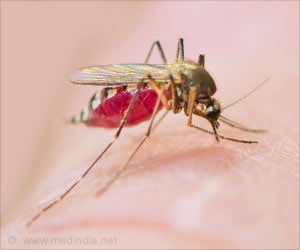
Yellow fever is spread by a species of mosquito common to areas of Africa and South America. If untreated, it can lead to liver failure and death.
Yellow fever is spread by a species of mosquito common to areas of Africa and South America. If untreated, it can lead to liver failure and death.
The researchers also plan to study whether the virulent and attenuated strains of yellow fever virus infect different host immune cells. The approach may help explain why some people infected with the virus die while others develop only the mildest of symptoms, as well as which changes in the YFV-17D genome weaken the virus' ability to cause disease. "This could guide the rational design of vaccines against related pathogens, such as Zika and Dengue virus," Ploss said.
2 More Imported Yellow Fever Cases: Beijing Municipal Commission of Health
The Beijing Municipal Commission of Health and Family Planning announced two more imported yellow fever cases.
The Beijing Municipal Commission of Health and Family Planning announced two more imported yellow fever cases.
 Email
Email