MEDINDIA
 English
 हिन्दी
 Español
 français
 中文
中文
Tiny models of human kidneys are successfully created from patient-isolated stem cells for the first time, that may lead to new treatment options to study kidney diseases.
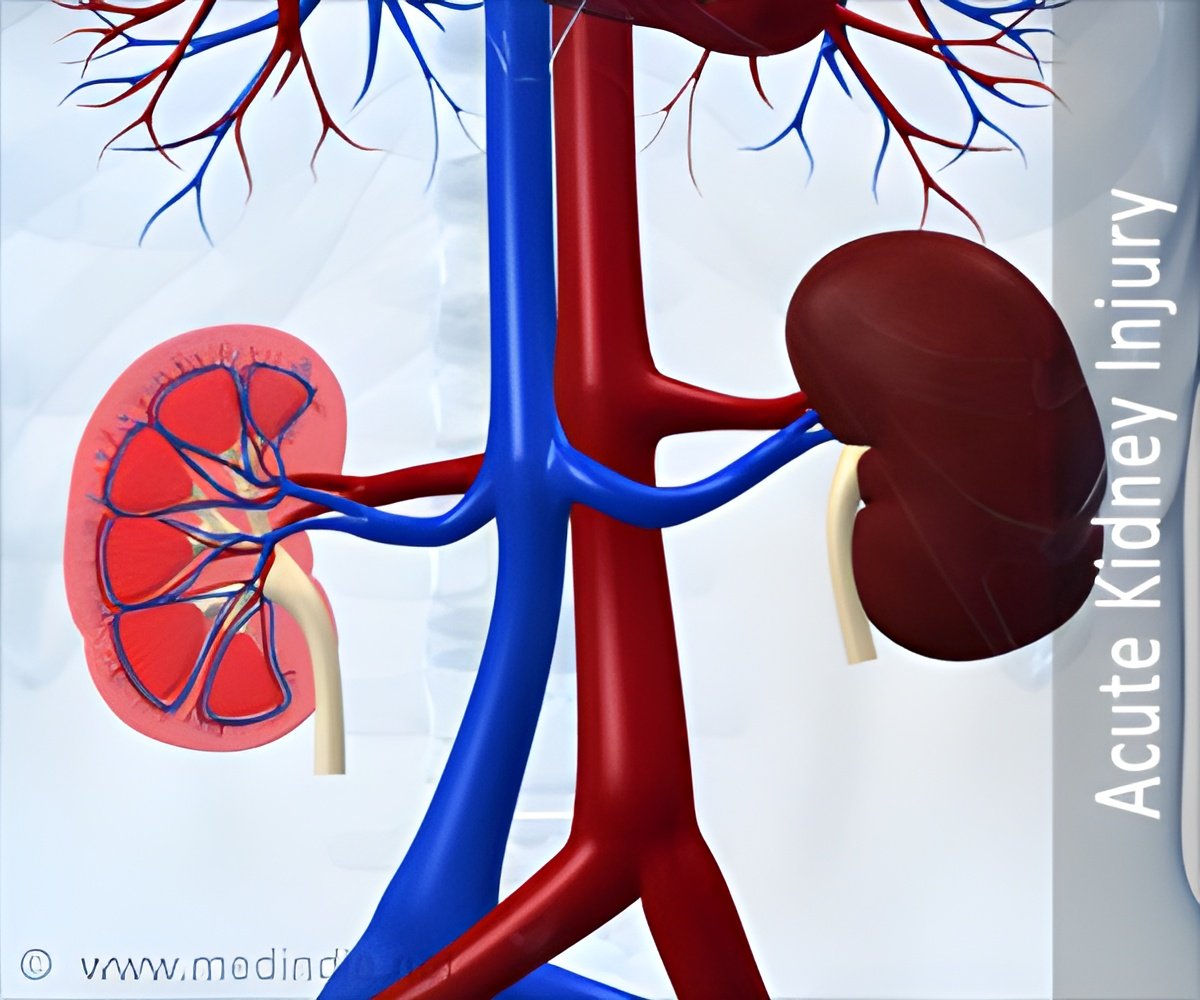

Factors That Influence the Recurrence of Kidney Diseases After Nephrectomy
After partial nephrectomy (removal of the kidney), certain surgical factors such hypertension, diabetes mellitus, surgical technique used and the remaining healthy tissue may influence kidney function after partial nephrectomy,
After partial nephrectomy (removal of the kidney), certain surgical factors such hypertension, diabetes mellitus, surgical technique used and the remaining healthy tissue may influence kidney function after partial nephrectomy,
TOP INSIGHT

Tiny models of human kidneys are successfully created from patient-isolated stem cells for the first time, that may lead to novel ways to study kidney diseases.
Read More..
A mini kidney from the lab doesn't look like a normal kidney. But the simple cell structures share many of the characteristics of real kidneys, so researchers can use them to study certain kidney diseases.
'We can use these mini kidneys to model various disorders: hereditary kidney diseases, infections, and cancer. This allows us to study in detail what exactly is going wrong', says Hans Clevers, Professor of Molecular Genetics at Utrecht University and the University Medical Center Utrecht, and group leader at the Hubrecht Institute.
Prediabetes Heightens the Risk for Heart and Chronic Kidney Diseases
Prediabetes patients are at heightened risk for cardiovascular and chronic kidney diseases. Cardiovascular and renal risks and diseases are highly prevalent in adults with prediabetes. Identification of people with prediabetes may help in cardiovascular and renal risk reduction.
Prediabetes patients are at heightened risk for cardiovascular and chronic kidney diseases. Cardiovascular and renal risks and diseases are highly prevalent in adults with prediabetes. Identification of people with prediabetes may help in cardiovascular and renal risk reduction.
Drug
Kidney Diseases Increase Risk of Cardiovascular Deaths
Cardiovascular deaths that can be attributed to reduced kidney function outnumbers kidney failure deaths, worldwide.
Cardiovascular deaths that can be attributed to reduced kidney function outnumbers kidney failure deaths, worldwide.
'We can then establish whether this infection can be cured using a specific drug. And we can also use mini kidneys created from the tissue of a patient with kidney cancer to study cancer.'
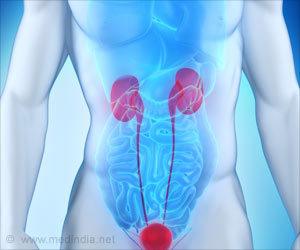
Kidney Organoids Grown in Lab to Re-create Kidney Diseases
In a one-of-its-kind research scientists have used kidney organoids grown from stem cells and gene editing, to recreate human kidney disease in lab petri dishes.
In a one-of-its-kind research scientists have used kidney organoids grown from stem cells and gene editing, to recreate human kidney disease in lab petri dishes.
Verhaar explains that she collaborates with medics, researchers and technical experts at a single location in Utrecht: the Regenerative Medicine Centre Utrecht. 'Collaborating in this way has made a huge difference to our research. We hope that, together, we can improve treatments for kidney patients. In the long term, we hope to be able to use mini kidneys to create a real, functioning kidney - a tailor-made kidney - too. But that's still a long way.'
Source-Eurekalert
 Email
Email