MEDINDIA
 English
 हिन्दी
 Español
 français
 中文
中文
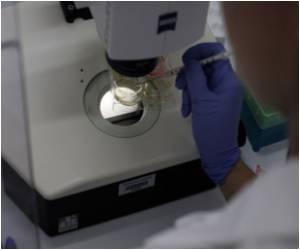
A new compound that kills hepatocellular carcinoma (HCC) cells has been discovered by scientists.
Liver Cancer - Types, Causes, Symptoms, Diagnosis, Treatment, Prevention, Progosis
Liver or hepatic cancer is an abnormal growth of cells in the liver. The leading cause of the disease is cirrhosis or scarring of the liver tissue.
Liver or hepatic cancer is an abnormal growth of cells in the liver. The leading cause of the disease is cirrhosis or scarring of the liver tissue.
Sarkar discovered LSF's role in liver cancer in 2010 when he demonstrated significantly higher LSF levels in HCC patients in comparison to healthy individuals, and showed that inhibition of LSF reduced the progression of HCC in laboratory experiments. This finding led to the collaboration between VCU and Boston University that resulted in the discovery of FQI1.
Now that FQI1 has been identified, pharmacokinetic studies are being conducted to determine how the drug behaves in the human body. Once the scientists have determined how the drug is absorbed, distributed, metabolized and eliminated from the body, they will work with clinicians to translate their findings into phase I clinical trials in patients with liver cancer.

Liver Cancer
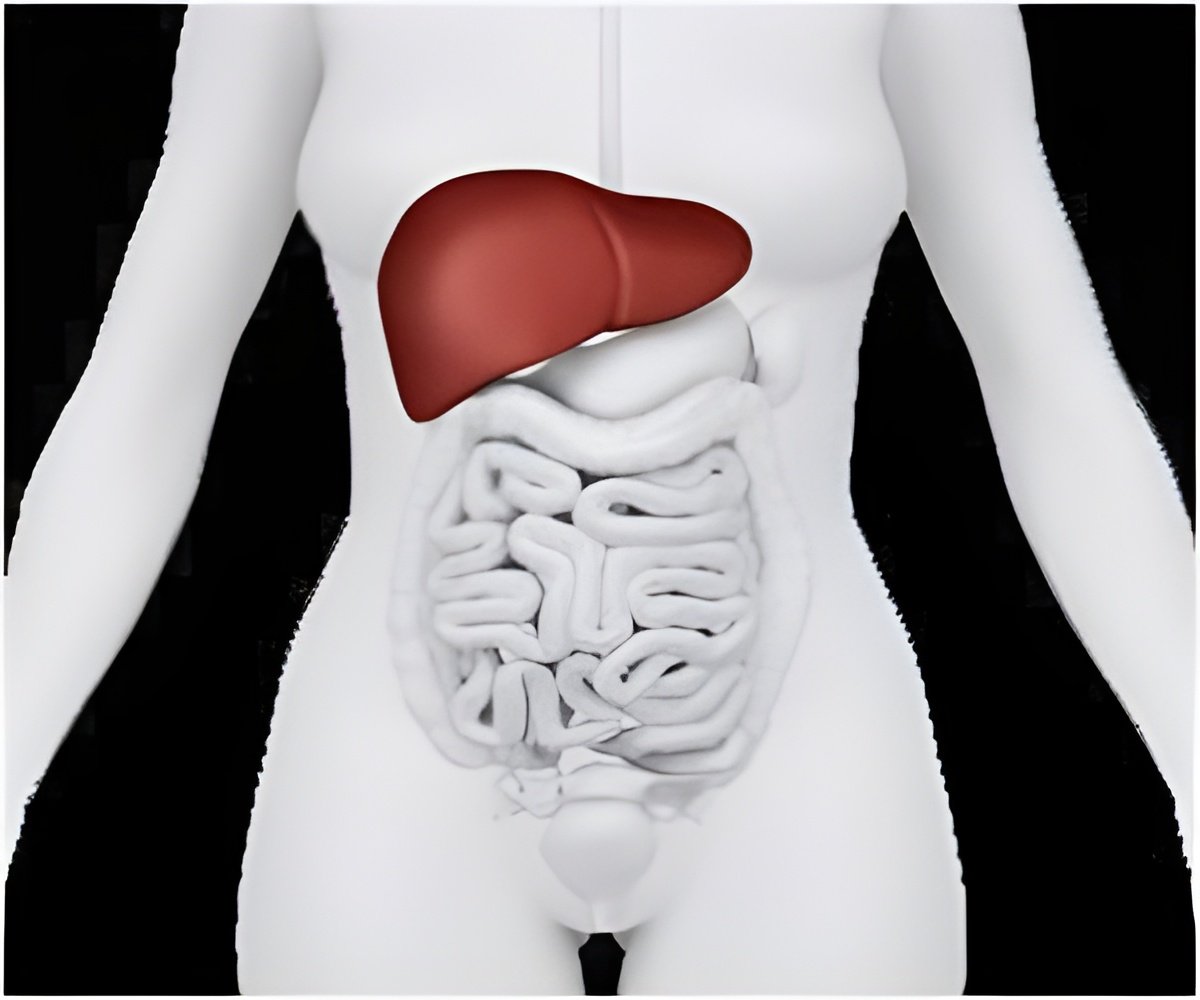
Liver is the largest organ inside the human body. It performs 500 different functions and processes 720 liters of blood per day. The important functions of the liver, the development of liver cancer and it’s symptoms are presented in this interactive.
Liver is the largest organ inside the human body. It performs 500 different functions and processes 720 liters of blood per day. The important functions of the liver, the development of liver cancer and it’s symptoms are presented in this interactive.
Source-Eurekalert

Quiz on Liver
How many of us know that the liver is a vital organ the size of an American Football? To understand more about the liver and its functions spend a few minutes taking part in this quiz.
How many of us know that the liver is a vital organ the size of an American Football? To understand more about the liver and its functions spend a few minutes taking part in this quiz.
Gender Differences in Liver Cancer Risk Explained by Small Changes in Genome
Previous research has indicated that men are four times more likely to develop liver cancer compared to women.
Previous research has indicated that men are four times more likely to develop liver cancer compared to women.
 Email
Email