MEDINDIA
 English
 हिन्दी
 Español
 français
 中文
中文
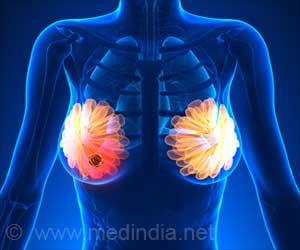
Vascularization of tumors can be controlled through a gene which is overexpressed in tumor blood vessels, thereby cutting the power of tumors
TOP INSIGHT

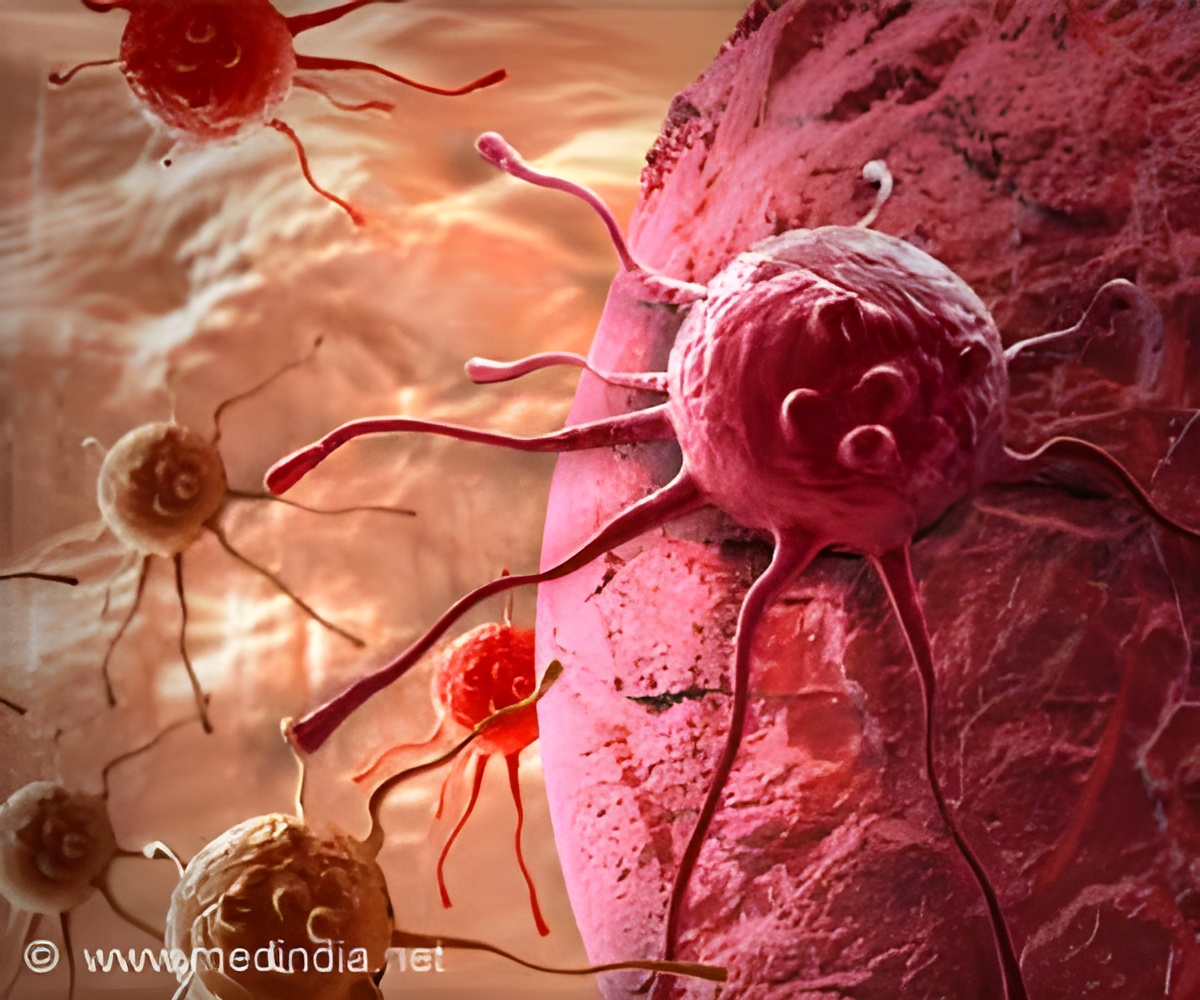
Direct attack of cancer cells could lead to the emergence of resistance. Regulating the vascularization of cancer cells could stop cancer cell growth.
Read More..
From a genomic screen we have discovered the role of this receptor, called the insulin receptor (INSR), mainly represented by the shorter oncofetal and non-metabolic isoform A(INSR-A), in the process of blood vessel formation. A molecule specifically targeting this receptor may allow us to modulate tumor growth or even completely block it» says Patrycja Nowak-Sliwinska, assistant professor in the School of Pharmaceutical Sciences of the Faculty of Sciences of UNIGE and first author of the study.
After many years of investigations, the researchers were able to confirm this discovery in both in vitro and in vivo experiments. They now hope to develop a specific molecule, with the help of an industrial partner.
Comparisons on eleven tumor types
One of the strengths of this research is its ability to precisely target the tumor endothelium, the innermost layer of blood vessels in contact with the blood, while sparing healthy cells. To ensure this, the researchers compared healthy and diseased tissue sections for eleven different types of tumors, such as kidney, colon or breast. The importance of insulin receptors as a target for cancer treatment highlighted by this research also lies in the indirect approach of the disease.
Brain Tumor in Children - Types, Causes, Symptoms, Diagnosis & Treatment
An abnormal growth of cells in the brain is called brain tumor. Most tumors arise within the brain (primary). They can be benign or cancerous.
An abnormal growth of cells in the brain is called brain tumor. Most tumors arise within the brain (primary). They can be benign or cancerous.
By intervening with endothelial cells and targeting the vascularization for which they are responsible, researchers avoid frontal attack on the tumor. «We do not act directly on cancer, but we found the valve that regulates the vascularization of cancer cells», conclude the researchers.
Source-Eurekalert
 Email
Email