MEDINDIA
 English
 हिन्दी
 Español
 français
 中文
中文
A new antibacterial spray developed has a positive effect in healthcare and can be used as a powerful tool to fight antibiotic resistance.
Antibiotic Resistance - An Emerging Global Crisis
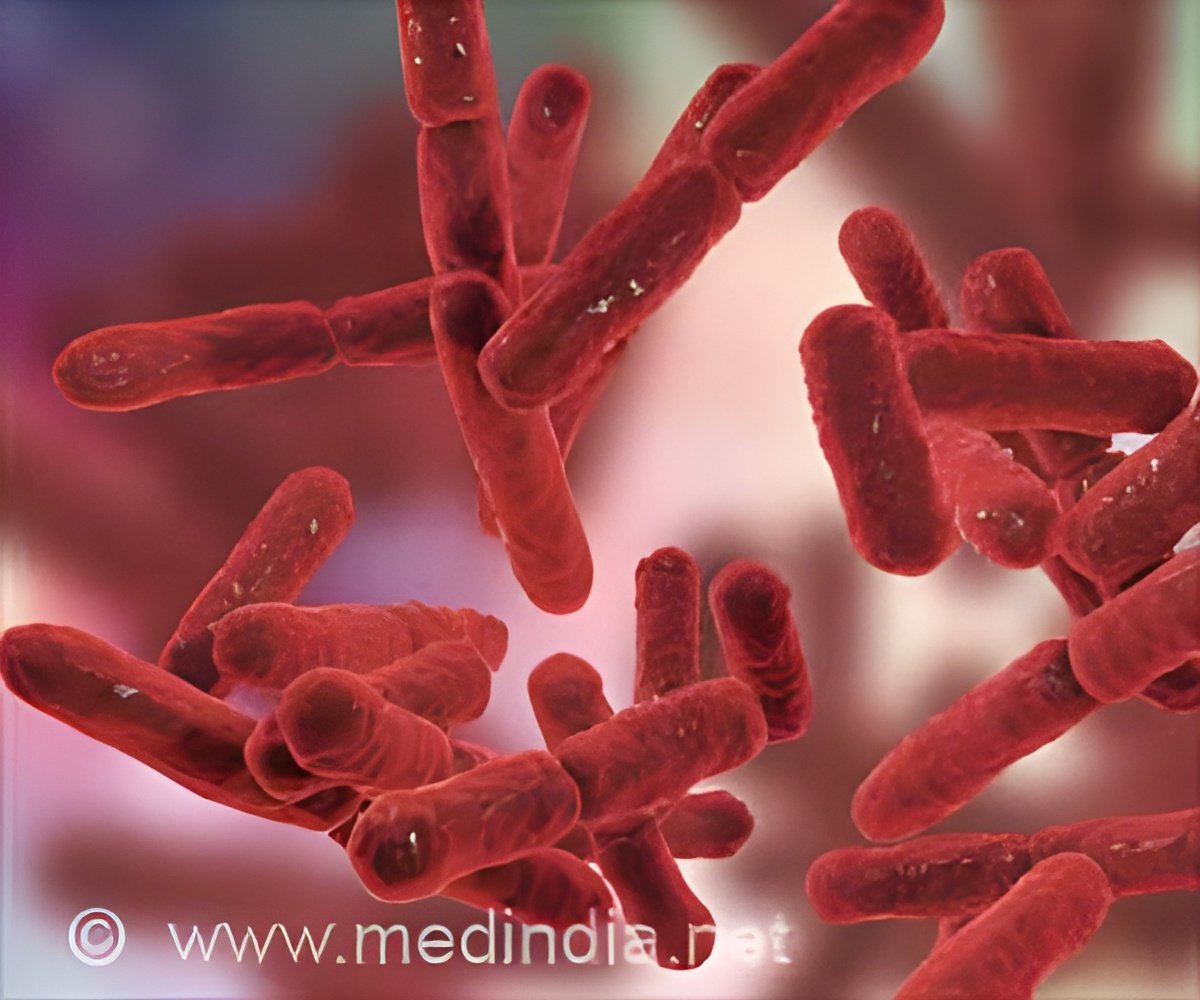
Antibiotic resistance refers to the adaption of bacteria that allows them to grow even in the presence of antibiotics. The infection by the resistant bacteria are difficult to treat.
Antibiotic resistance refers to the adaption of bacteria that allows them to grow even in the presence of antibiotics. The infection by the resistant bacteria are difficult to treat.
TOP INSIGHT

Antibiotic resistance is ranked as one of the top ten threats to global health and cause nearly 1.3 million deaths a year globally, according to WHO. So, there is an urgent need to deal with resistant bacteria.
They have now published two new studies in which the bactericidal material is used in the form of a wound spray and as a coating on medical devices that are introduced into our bodies. This new step in the research means that the innovation can be used in more ways and be of even greater benefit in healthcare.
Kills Bacteria without Adversely Affecting Wound Healing
The wound spray, which can reach into deep wounds and other open areas on the body where bacteria can enter, is flexible and very useful for treating and preventing infection. The new material has many advantages over existing sprays and disinfectants.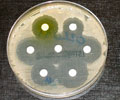
Test your Knowledge on Antibiotic Resistance
Antibiotic resistance is a growing public health concern that has reached gigantic proportions. Antibiotic resistance is a change that occurs in bacteria when they are exposed to antibiotics used to treat infections caused by them. This change makes the antibiotics ineffective and the antibiotic-resistant bacteria become “superbugs”.
Antibiotic resistance is a growing public health concern that has reached gigantic proportions. Antibiotic resistance is a change that occurs in bacteria when they are exposed to antibiotics used to treat infections caused by them. This change makes the antibiotics ineffective and the antibiotic-resistant bacteria become “superbugs”.
Reduces the Risk of Infection from Materials Introduced into the Body
For treatments in which materials such as implants and catheters are inserted into our bodies, infections are a major problem. Therefore, there is great need for new antibacterial biomaterials, i.e. materials that treat, replace or modify organs, tissue or functions in a biological body. One of the major sources for hospital-acquired infection comes from the usage of urinary catheters. The Chalmers researchers’ new coating can now be an effective new tool for reducing this risk and preventing infections.
Bacteria Present in House Dust Can Spread Antibiotic Resistance
Bacteria present in house dust can transmit antibiotic resistance genes to other pathogens that could become resistant to antibiotics. This can give rise to stubborn infections
Bacteria present in house dust can transmit antibiotic resistance genes to other pathogens that could become resistant to antibiotics. This can give rise to stubborn infections
In the study, the researchers tested the coating on silicone materials used for catheters, but they see opportunities to use it on other biomaterials.
Probiotics Help Reduce Antibiotic Resistance in Infants
A novel approach identified can reduce the number of genes that resist antibiotics in children with probiotic supplementation, which is a safe and non-invasive method.
A novel approach identified can reduce the number of genes that resist antibiotics in children with probiotic supplementation, which is a safe and non-invasive method.
Source-Eurekalert
 Email
Email