MEDINDIA
 English
 हिन्दी
 Español
 français
 中文
中文
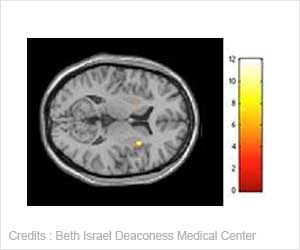
In patients with Amyotrophic Lateral Sclerosis (ALS) a novel marker helps predict the clinical outcome through magnetoencephalography.
What is Amyotrophic Lateral Sclerosis (ALS)
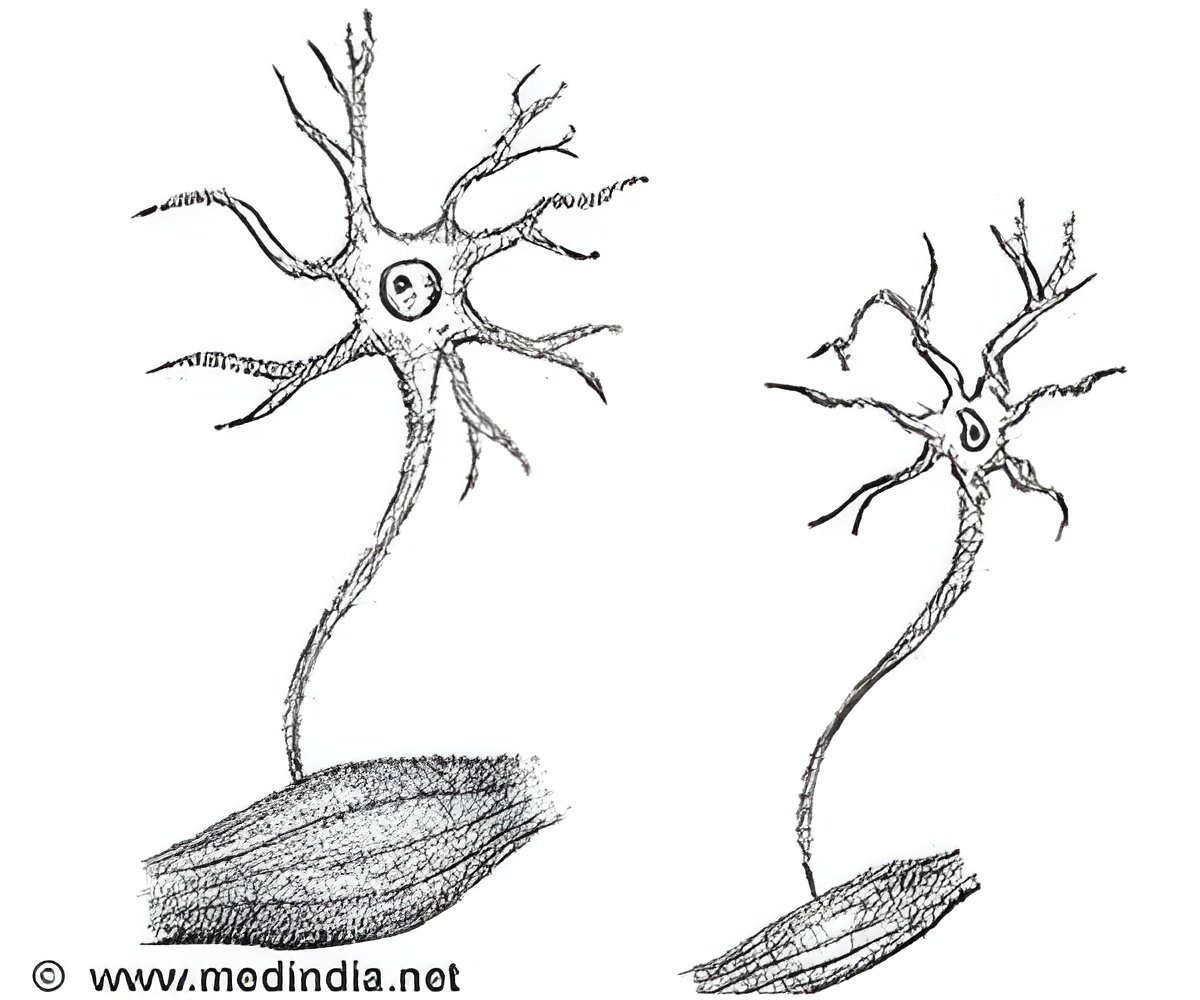
ALS is a neurodegenerative disease of the brain and spinal cord that causes loss of muscle control. The ability of moving, speaking and, eventually, breathing is progressively impaired. There is no known cure but treatments to improve symptoms, including magnetic stimulation, are being tested. “The behaviour of the brain of an ALS patient is often hard to understand. The impairments can be caused by neuronal dysfunction of a small area of the brain that influences a much larger area, meaning you need whole brain scans to make predictions of the clinical outcome,” explains Pierpaolo Sorrentino from the INS, the last author of the study. “Patients can struggle with motor tasks during the scans. This new method, instead, can be applied to the brain at rest, making it easier for the patients and more consistent.”Magnetoencephalography for Detecting Amyotropic Lateral Sclerosis
The researchers collected magnetoencephalography data on 42 ALS patients and 42 healthy controls at the University Parthenope in Naples, whose MEG facilities have recently become part of the EBRAINS network. The new study builds on previous work by the same group, which applied the methodology to Parkinson’s disease. “A healthy brain is a flexible one, capable of reconfiguring itself to respond to stimuli, triggering neuronal avalanches across different areas,” adds Sorrentino. “Think of it as a goalkeeper waiting for a penalty kick. If you are fast enough, constantly moving rather than standing in the same place is a better strategy for being ready for most possible trajectories.”
Amyotrophic Lateral Sclerosis (ALS)-Lou Gehrig's disease: Symptoms, Diagnosis, Treatment
Find out more about the degenerative disease- Amyotrophic lateral sclerosis.
Find out more about the degenerative disease- Amyotrophic lateral sclerosis.
TOP INSIGHT

The ultimate goal is to apply the predictive power of the functional repertoire in personalized medicine, perhaps extending the same approach to brain dynamics to other, large-scale applications.
“It is often difficult to tell how a particular therapy is working - now we might have a strong marker to predict its outcome,” says Sorrentino. The next step, according to the scientists, is to use this non-invasive readout in a longitudinal study that tracks the evolution of the disease in a patient-specific way and adjust treatment accordingly.
Source-Eurekalert

Understanding Brain Death
Interactive section of Medindia helps us in better understanding of Brain Death
Interactive section of Medindia helps us in better understanding of Brain Death

FTLD And ALS May Share Common Genetic Modifications
Novel genetic tool helps identify specific genetic changes that are common among both frontotemporal lobar degeneration and ALS patients.
Novel genetic tool helps identify specific genetic changes that are common among both frontotemporal lobar degeneration and ALS patients.
New Drug Target for Lou Gehrig's Disease Identified
Researchers have identified p65 protein as a potential therapeutic target for amyotrophic lateral sclerosis.
Researchers have identified p65 protein as a potential therapeutic target for amyotrophic lateral sclerosis.
 Email
Email