MEDINDIA
 English
 हिन्दी
 Español
 français
 中文
中文
Globally more than one in ten babies are born prematurely, and this can be explained better by a new device which could lead to better treatments and prevention options for preterm labor resulting from bacterial infections.
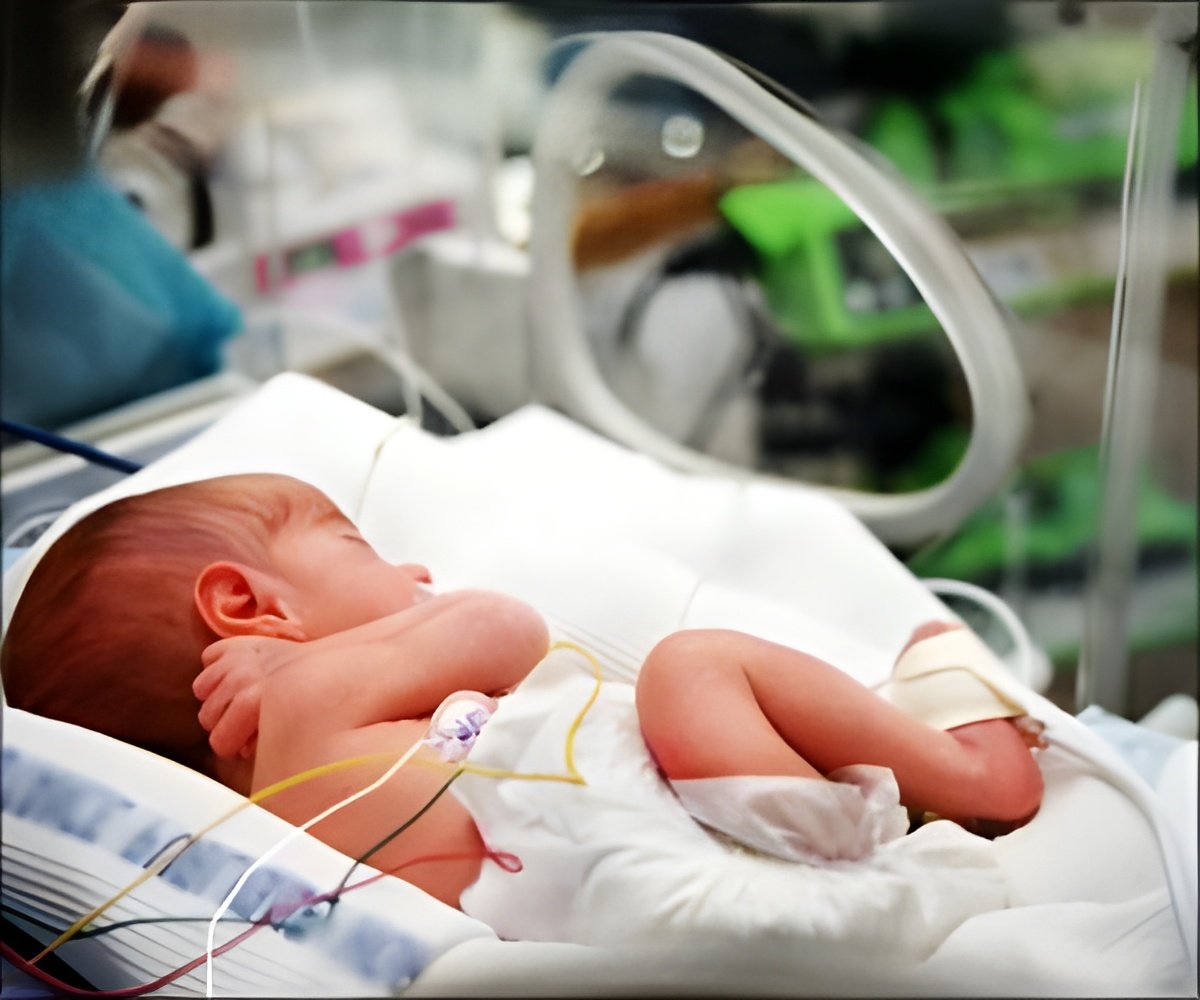

Top 10 Alarming Risks of Low Birthweight in Babies
Low birthweight is a term given to babies who weigh less than 2,500 grams at birth. These babies look much smaller than babies with normal birthweight.
Low birthweight is a term given to babies who weigh less than 2,500 grams at birth. These babies look much smaller than babies with normal birthweight.
TOP INSIGHT

Placental barriers-on-a-chip could lead to better treatments and prevention options for preterm labor resulting from bacterial infections.
As a result, the amniotic sac can rupture, producing early-onset labor. Studying this problem has proven tricky, in part because it's not feasible to run clinical trials including pregnant women, and human placentas donated after birth can only survive a few hours.
However, researchers recently created a placenta-on-a chip a promising new microfluidic device that allows placental cells to grow and function as if they were still in the body. Delving deeper, Jianhua Qin and colleagues sought to create a similar device that would specifically replicate the functions of the placental barrier and how it responds to bacterial infection.
Intra-amniotic Infection | Chorioamnionitis - Causes, Symptoms, Diagnosis, Treatment
Intra-amniotic infection, or Chorioamnionitis, is one of the common causes of early preterm rupture of membranes and is known to induce preterm labor.
Intra-amniotic infection, or Chorioamnionitis, is one of the common causes of early preterm rupture of membranes and is known to induce preterm labor.
A porous membrane between the two cell layers allowed the tissues to form a placental barrier between them. After determining that the barrier was functioning much as it would in the body, the researchers added E. coli bacteria to the maternal layer. The bacteria proliferated rapidly, breached the placental barrier, and subsequently triggered inflammation and cell death in both of the adjoining maternal and fetal layers.

Lungs of Premature Babies Undergo Damage
Bronchopulmonary dysplasia (BPD), a chronic lung disease which mainly occurs when the newborns require mechanical ventilation or oxygen supplementation.
Bronchopulmonary dysplasia (BPD), a chronic lung disease which mainly occurs when the newborns require mechanical ventilation or oxygen supplementation.
Source-Eurekalert
 Email
Email