MEDINDIA
 English
 हिन्दी
 Español
 français
 中文
中文
Nicotinamide adenine dinucleotide (NAD+) when administered into the body activates molecular pathway that regulates the CD4+ T-helper cell response.These cells help to fight infections and allergies.

Platelets� Hidden Role in Immunity Discovered
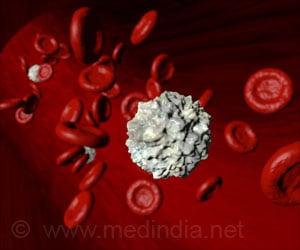
Unexpected role of platelets in immune response discovered. Beyond coagulation platelets act as the immune system's first response to virus and other antibodies
Unexpected role of platelets in immune response discovered. Beyond coagulation platelets act as the immune system's first response to virus and other antibodies
TOP INSIGHT

Nicotinamide adenine dinucleotide (NAD+) activates the molecular pathway that regulates the CD4+T cell response which protects the body against infections and allergies.
As of today, two major pathways have been described to regulate CD4+ T cell response. The first pathway was described by Peter C. Doherty and Rolf M. Zinkernagel (1996 Nobel prize winners) showing the requirement of MHC-TCR signaling machinery. More recently, a second mechanism involving the Pathogen or Damage Associated Molecular Patterns (PAMPs or DAMPs) was unraveled by Bruce A. Beutler and Jules A. Hoffmann (2011 Nobel Prize winners). Of importance, both pathways require antigen presenting cells (APCs) in particular dendritic cells (DCs) or macrophages (Mö). Elkhal’s novel pathway is distinct from the two previous ones and may offer a path forward for novel therapeutic approaches.
For the current study, BWH researchers performed pre-clinical trials using an experimental infection model. They showed that mast cell-mediated CD4+ T cell response protects against lethal doses of infection (Listeria monocytogenes). Mice treated with NAD+ had a dramatically increased survival rate when compared to the non-treated group.
'Great Escape' Helps Uncover Autoimmunity
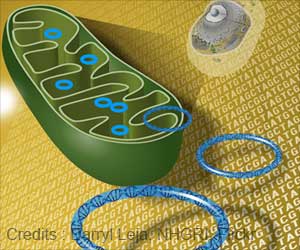
The 'Great Escape' moment may one day prove to be the crucial trigger for autoimmune diseases.
The 'Great Escape' moment may one day prove to be the crucial trigger for autoimmune diseases.

Vitamin A Balance Influences Protein That Protects Gut Immunity
ISX, a protein molecule turns on and off genes involved in the pathway based on beta-carotene availability.
ISX, a protein molecule turns on and off genes involved in the pathway based on beta-carotene availability.

Autoimmunity may be the Cause of the Mysterious Nerve Damaging Disorder
Immunoglobulin infusions improve pain and function in 75 percent of patients thought to have autoimmune small-fiber polyneuropathy.
Immunoglobulin infusions improve pain and function in 75 percent of patients thought to have autoimmune small-fiber polyneuropathy.
 Email
Email