MEDINDIA
 English
 हिन्दी
 Español
 français
 中文
中文
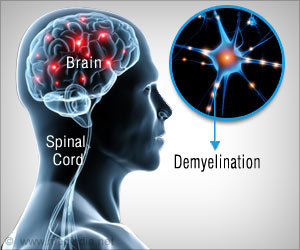
Multiple Sclerosis is a neurological condition. That means it affects your nerves. It's caused when your immune system isn’t working properly.


Involving Patients in Decision Making Improves Multiple Sclerosis Treatment
Clinicians should take time to listen to the patient and learn about their values and preferences for the treatment to be effective.
Clinicians should take time to listen to the patient and learn about their values and preferences for the treatment to be effective.
TOP INSIGHT

There is no cure for MS, but medicines may slow it down and help control symptoms. Physical and occupational therapy may also help.
The randomized double-blind study involved 51 participants who completed the two-year trial. Twenty-seven people were given a 1,200-milogram daily dose of lipoic acid, with the remaining 24 participants given a placebo. Researchers are using the findings from the pilot trial to design the expanded multi-site clinical trial to begin later this year in Portland and other sites that have yet to be finalized.
"These are high doses," said lead author Rebecca Spain, M.D., M.S.P.H., an assistant professor of neurology in the OHSU School of Medicine. "And while it seems safe, we won't know whether it actually improves the lives of people with MS until we can replicate the results in the pilot study through a much bigger clinical trial. Fortunately, we're going to be able to answer that question with the participation of kind volunteers."

Multiple Sclerosis Linked to Brain Changes
Multiple sclerosis (MS),an impaired ability to understand how others feel and think, may be linked to subtle brain changes
Multiple sclerosis (MS),an impaired ability to understand how others feel and think, may be linked to subtle brain changes
The major finding of the pilot study involved measuring the degree to which lipoic acid arrested the rate of whole brain atrophy, as measured through magnetic resonance imaging.
Doctors Successfully Treat Multiple Sclerosis Patient With BMT
A team of doctors here has successfully treated a 24-year-old girl suffering from Multiple Sclerosis (MS) with bone marrow transplant (BMT).
A team of doctors here has successfully treated a 24-year-old girl suffering from Multiple Sclerosis (MS) with bone marrow transplant (BMT).
In addition, the pilot study suggested improved walking times and fewer falls among study participants who took a daily dose of lipoic acid compared with those who received the placebo. Researchers are eager to test those outcomes in the larger clinical trial.
Double Gene Mutation Adds on to The Risk of Multiple Sclerosis
Individuals with the double gene mutation have about a 7-in-10 chance of developing MS, compared to a 1-in-1,000 risk in the general population.
Individuals with the double gene mutation have about a 7-in-10 chance of developing MS, compared to a 1-in-1,000 risk in the general population.
Lipoic acid was determined to be safe and well-tolerated by pilot study participants. Stomach upset was the most frequent side effect.
Source-Eurekalert
 Email
Email