MEDINDIA
 English
 हिन्दी
 Español
 français
 中文
中文
Study suggests that only a fifth of shoppers have knowledge of their intraocular pressure, with high pressure a major risk factor for glaucoma in the UK.
TOP INSIGHT

Public health schemes should be designed to engage the public with their eye health and promote awareness on the importance of regular eye examinations. These steps could reduce the risk of glaucoma.
Read More..
In total, 858 volunteers agreed to answer questions about their eye pressure, and 768 of those agreed to be tested.
In half of cases, volunteers were also invited to have their blood pressure tested to see whether this widely known, general health check might increase pick-up of the test of intraocular pressure, and thus raise awareness of having it checked and the importance of visiting an optometrist regularly. Combined testing was held on a different day to the test of intraocular pressure alone.
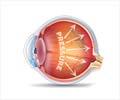
Glaucoma - Causes, Symptoms, Diagnosis, Treatment & Prevention
Glaucoma is a group of disorders involving the optic nerve, often associated with a rise in intraocular pressure. Uncontrolled glaucoma can lead to blindness.
Glaucoma is a group of disorders involving the optic nerve, often associated with a rise in intraocular pressure. Uncontrolled glaucoma can lead to blindness.
The study also found that when the intraocular test was advertised alongside the blood pressure test, significantly more shoppers took up the opportunity to answer questions and get tested for both. When advertised together 60% of those asked agreed to participate, as opposed to only 40% when the intraocular test was advertised alone.
In England, 90% of referrals for cases of suspected glaucoma into secondary specialist care are the result of opportunistic case findings by optometrists3-5, but it is estimated that one third of primary open angle glaucoma cases remain undiagnosed in the UK6.
Dr Laura Edwards is a Postdoctoral Research Fellow at Moorfield's Eye Hospital and led on the study testing while at the Crabb Lab at City, University of London. She said:
"Awareness of eye pressure among the public is abysmally low. Whilst a definitive diagnosis of glaucoma requires many tests, we wanted to see whether advertising and administering one of the tests directly to the public in a targeted community setting was feasible and could raise awareness of the importance of this aspect of eye health.
"More people engaged with our Pop-Up stations on days when our eye health check was offered alongside testing blood pressure, which suggests that an unfamiliar health message can be promoted by aligning it with one that the public is more familiar with.
"We hope our findings can inform strategies for public health schemes that engage the public with their eye health and promote education about the importance of regular eye examinations."
Source-Eurekalert
 Email
Email