MEDINDIA
 English
 हिन्दी
 Español
 français
 中文
中文
There may be a 'silver bullet' for Ebola, a family of hemorrhagic viruses, one of which has killed more than 11,000 people in West Africa in the past two years.
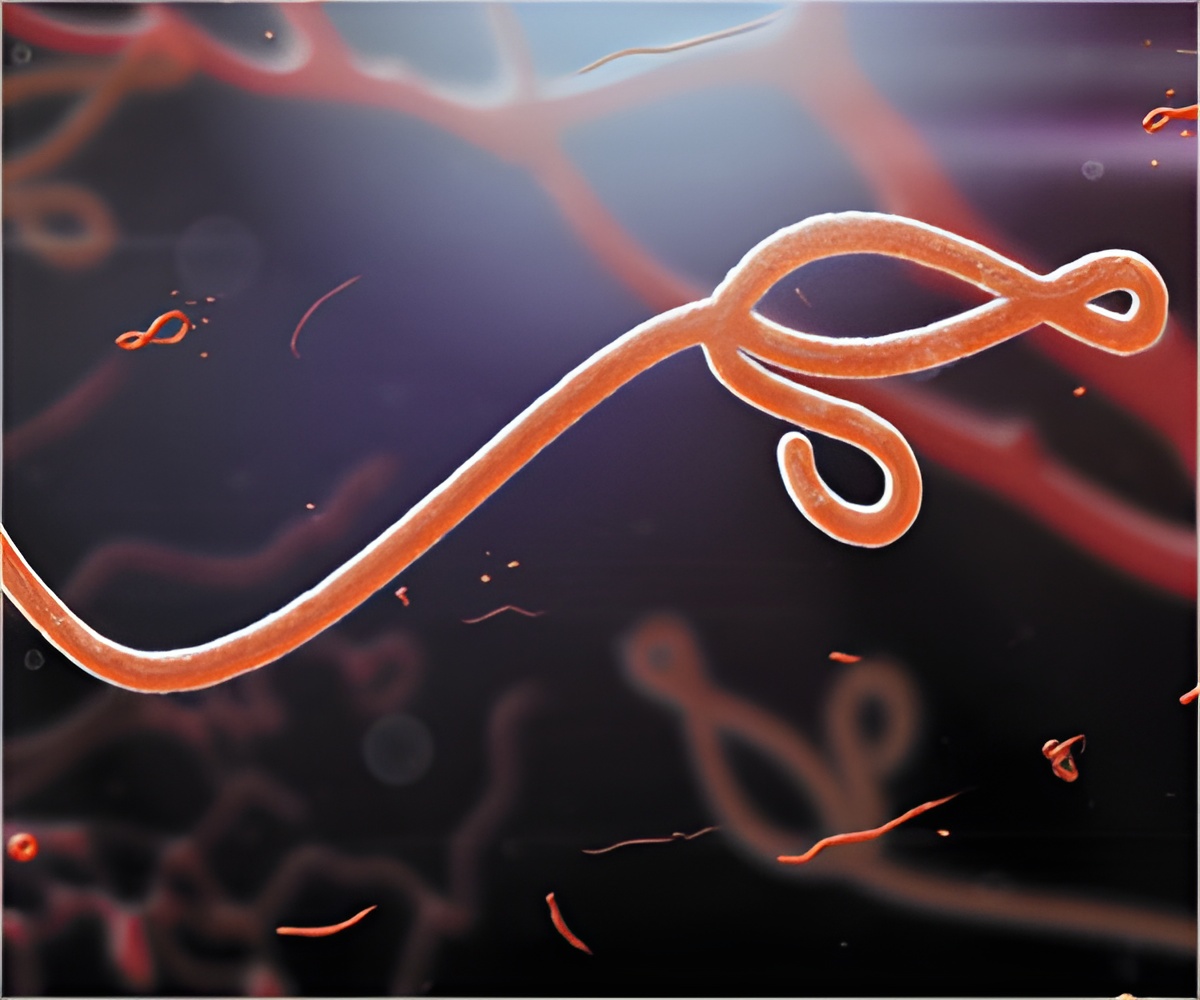
Ebola Virus Disease | Ebola Hemorrhagic Fever: Cause Symptoms Diagnosis Treatment
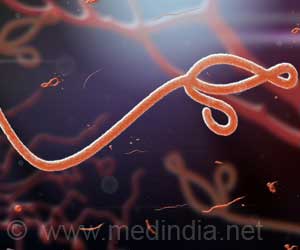
Ebola is caused by a virus via direct contact with body fluids or infected blood. Scientists have identified five types of Ebola or Ebola hemorrhagic fever virus.
Ebola is caused by a virus via direct contact with body fluids or infected blood. Scientists have identified five types of Ebola or Ebola hemorrhagic fever virus.
TOP INSIGHT

Isolated human monoclonal antibodies from Ebola survivors have been observed to neutralize multiple species of the deadly Ebola virus. This may prove to be a 'silver bullet' for Ebola.
UTMB professor Alexander Bukreyev, corresponding author of the paper with Crowe who led the UTMB team, said, "In this study, a remarkably diverse array of virus-specific antibodies was isolated, which appeared to bind to various parts of the envelope protein of the virus. Some of the antibodies neutralized not only Ebola Bundibugyo virus, but also Ebola Sudan virus and Ebola Zaire virus, similar to that which caused the recent outbreak in West Africa."
Ebola virus disease is spread by contact with contaminated body fluids, including blood and semen. It can cause massive bleeding. The death rate is about 50 percent.

WHO Confirms Second New Case of Ebola in Sierra Leone
A new case of Ebola has been confirmed in Sierra Leone, the second since west Africa last week declared an end to the epidemic.
A new case of Ebola has been confirmed in Sierra Leone, the second since west Africa last week declared an end to the epidemic.
Monoclonal antibodies are generated by clones of a type of white blood cell that have been fused to myeloma (cancer) cells to form fast-growing 'hybridomas'. Like heat-seeking missiles, they seek out and destroy their targets, in this case, the Ebola virus.

WHO Declares End of the Ebola Outbreak in the West African Nation of Guinea
The World Health Organization has declared the end of the Ebola outbreak in the West African nation of Guinea, two years after the beginning of the epidemic.
The World Health Organization has declared the end of the Ebola outbreak in the West African nation of Guinea, two years after the beginning of the epidemic.
Last week, researchers at Albert Einstein College of Medicine in New York reported that 'bispecific' monoclonal antibodies they engineered to recognize two species of Ebola virus provided a high degree of protection in mice exposed to two Ebola viral species.
Guinea Set to be Declared Ebola-Free
Around 11,300 people died out of almost 29,000 recorded cases, according to a WHO tally that many experts believe greatly understates the impact of the outbreak.
Around 11,300 people died out of almost 29,000 recorded cases, according to a WHO tally that many experts believe greatly understates the impact of the outbreak.
Components of the study, which require work with live viruses, were performed by Bukreyev's team at the Galveston National Laboratory at UTMB, which has biosafety facilities capable of handling Ebola viruses safely.
In addition to neutralizing multiple Ebola virus species, one of the antibodies also protected guinea pigs from a lethal challenge of virus.
Previous therapeutics used re-engineered mouse antibodies. "This work points the way to using fully human antibodies as the next generation of antibody therapeutics. From the human antibody work and the vaccine work that's being done, it's clear we can find a protective strategy for Ebola. That's a big step forward," Crowe said.
Source-Eurekalert
 Email
Email