MEDINDIA
 English
 हिन्दी
 Español
 français
 中文
中文
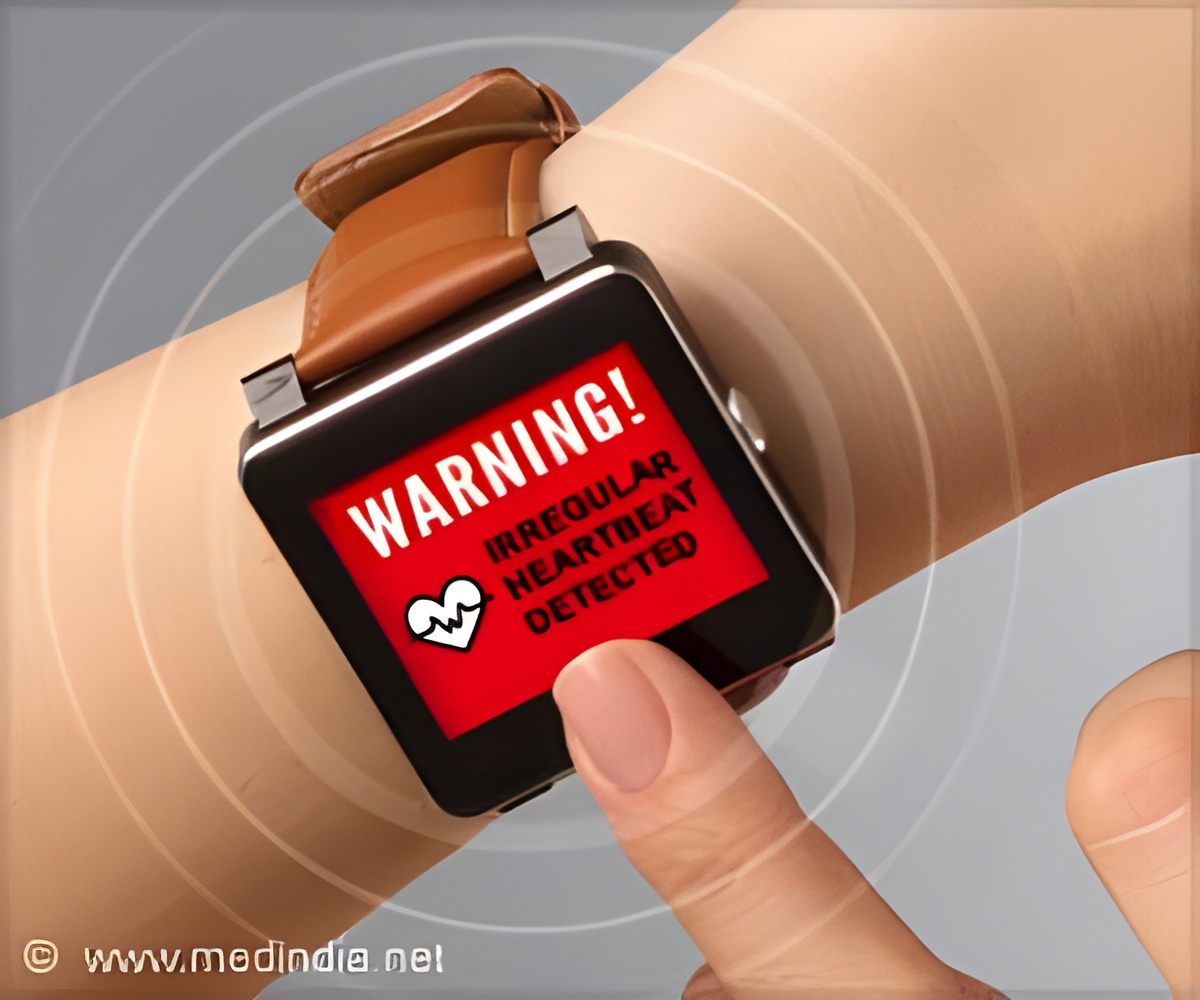
Feasible use of mobile health devices may help screen and detect common heart condition called atrial fibrillation (AF), reveals a new study.

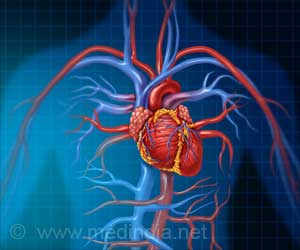
Diet, Lifestyle and Heart Disease
The correlation between diet, lifestyle and heart disease. The importance of balanced diet life style and exercise for controlling heart disease.
The correlation between diet, lifestyle and heart disease. The importance of balanced diet life style and exercise for controlling heart disease.
TOP INSIGHT

mHealth devices such as mobile phones, fitness trackers, and smartwatches facilitate earlier detection and better management of heart condition.
Currently, low detection due to lack of visible symptoms and nonadherence are major problems in current management approaches for patients with suspected AF.
Photoplethysmography technology
mHealth devices, such as fitness trackers, smartwatches, and mobile phones, may enable earlier AF detection, and improved AF management through the use of photoplethysmography (PPG) technology.

Rheumatic Heart Disease (RHD) - Causes, Risk factors, Symptoms, Diagnosis, Treatment
Rheumatic heart disease is a sequelae of rheumatic fever that affects heart valves. Rheumatic fever occurs after an episode of strep throat or sore throat due to group A beta hemolytic streptococci.
Rheumatic heart disease is a sequelae of rheumatic fever that affects heart valves. Rheumatic fever occurs after an episode of strep throat or sore throat due to group A beta hemolytic streptococci.
Researchers, led by Associate Professor Guo from Chinese PLA General Hospital in Beijing, and Professor Gregory Lip, Lead for the Liverpool Centre for Cardiovascular Science/Price-Evans Chair of Cardiovascular Medicine at University of Liverpool, aimed to determine the feasibility of AF screening in a large population-based cohort using smart devices with PPG technology, combined with a clinical care AF management pathway.
Atrial Fibrillation - Causes, Symptoms, Diagnosis, Treatment, Complication, Risks
Atrial fibrillation may not be life-threatening in itself but it is important to understand the causes, symptoms and treatments because of the risk of life-threatening complications.
Atrial fibrillation may not be life-threatening in itself but it is important to understand the causes, symptoms and treatments because of the risk of life-threatening complications.
Results
Overall, 187,912 participants used smart devices to monitor their pulse rhythm. During this time, 424 (0.23%) of the individuals received a 'suspected AF' notification. Of those, 227 (87%) were confirmed as having AF by health providers and other secondary examinations. These patients were provided with therapy and successfully anticoagulated.
Drugs for Atrial Fibrillation - Symptoms, Treatment, Side Effects & Precautions
Atrial fibrillation is a condition with irregular heart rhythm. Be aware of the prescribed drugs, their side effects and precautions, to avoid risk to life.
Atrial fibrillation is a condition with irregular heart rhythm. Be aware of the prescribed drugs, their side effects and precautions, to avoid risk to life.
Professor Lip, said: "Improved AF care requires early detection and the opportunity for streamlined management decision-making. Better detection can be followed by implementing the priorities of AF management, which is as 'easy as ABC': Avoid stroke; Better symptom optimization; Cardiovascular and risk factor management."
Source-Eurekalert
 Email
Email