MEDINDIA
 English
 हिन्दी
 Español
 français
 中文
中文
3D printed microneedles containing vaccine patches provide a better immune response in patients compared to the vaccination jabs for COVID-19.
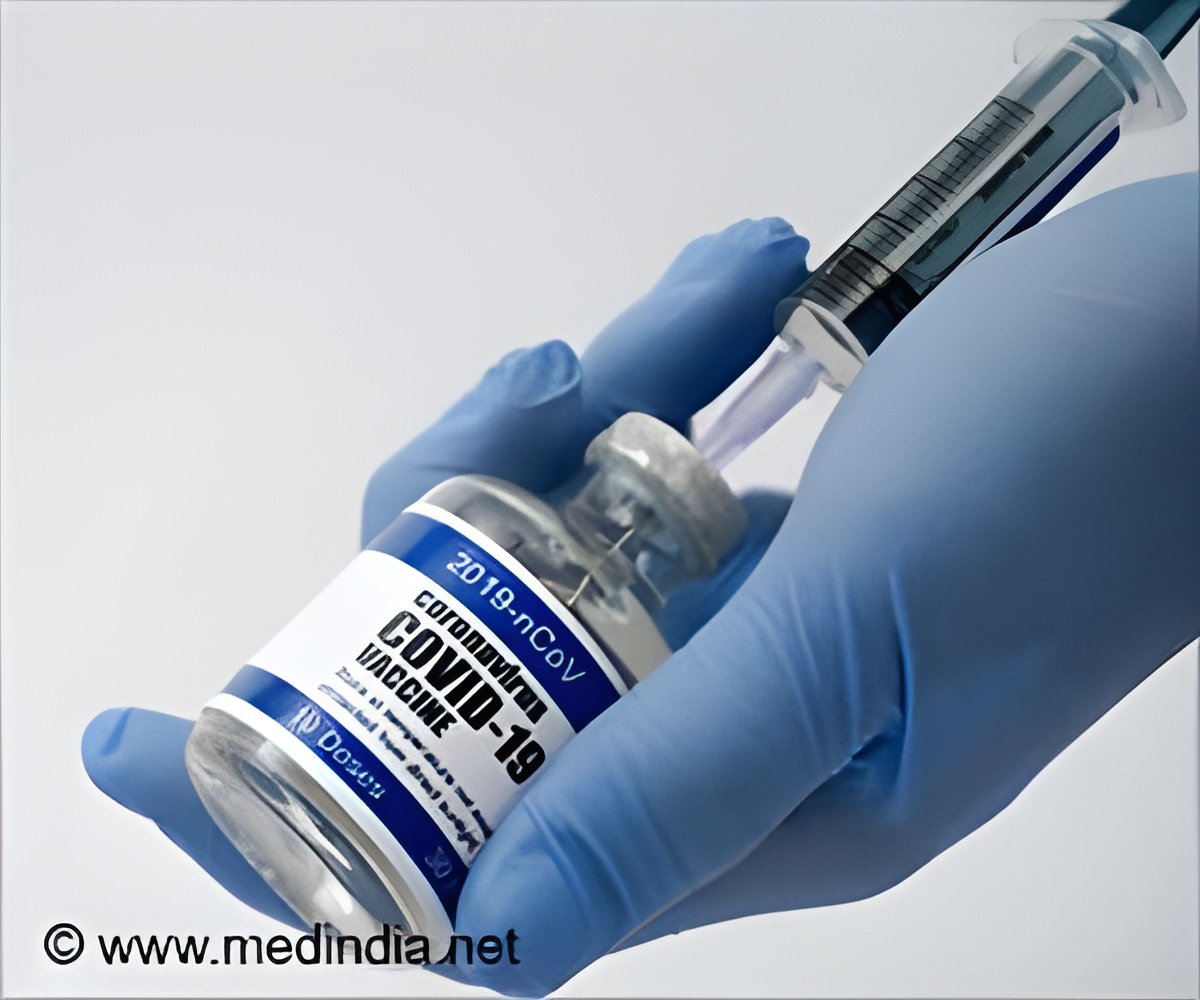

COVID Vaccination for Pregnant Women
The Indian Government has approved Covid-19 vaccination of pregnant women, who are to be counselled and informed regarding the risks and benefits of the vaccines.
The Indian Government has approved Covid-19 vaccination of pregnant women, who are to be counselled and informed regarding the risks and benefits of the vaccines.
TOP INSIGHT

Printed patches could be self-administered in the future rather than waiting for your COVID-jabs in queues.
“In developing this technology, we hope to set the foundation for even more rapid global development of vaccines, at lower doses, is a pain- and anxiety-free manner,” said the lead study author and entrepreneur in 3D print technology Joseph M. DeSimone, professor of translational medicine and chemical engineering at Stanford University and professor emeritus at UNC-Chapel Hill.
According to the findings, the vaccine patch elicited a 50-fold higher T-cell and antigen-specific antibody response than a subcutaneous injection given under the skin. “It’s generally a challenge to adapt microneedles to different vaccine types, said lead study author Shaomin Tian, a researcher in the Department of Microbiology and Immunology in the UNC School of Medicine.” “These issues, coupled with manufacturing challenges, have arguably held back the field of microneedles for vaccine delivery,” she said.
Survey Says 21% Indians to Take COVID Vaccination at Private Hospitals
A new survey has revealed that 21% of Indians are likely to take their vaccines on payment basis at private hospitals.
A new survey has revealed that 21% of Indians are likely to take their vaccines on payment basis at private hospitals.
Master templates are used to create molds for most microneedle vaccinations. Microneedle molding, on the other hand, is not very adaptable, and it has limitations such as decreased needle sharpness during replication.
Tamil Nadu Aims for 5 Lakh COVID Vaccinations Per Day
Tamil Nadu is aiming for 5 lakh COVID-19 vaccinations a day from today onwards, reveal sources. Tamil Nadu reported 1,538 fresh Covid-19 cases on Sunday.
Tamil Nadu is aiming for 5 lakh COVID-19 vaccinations a day from today onwards, reveal sources. Tamil Nadu reported 1,538 fresh Covid-19 cases on Sunday.
Source-Medindia
COVID Vaccination Drive Commences in Tamil Nadu
In Tamil Nadu, the mega COVID-19 vaccination drive has commenced. The state health department is aiming to inoculate 20 lakh people in the mega vaccination drive.
In Tamil Nadu, the mega COVID-19 vaccination drive has commenced. The state health department is aiming to inoculate 20 lakh people in the mega vaccination drive.
 Email
Email