MEDINDIA
 English
 हिन्दी
 Español
 français
 中文
中文
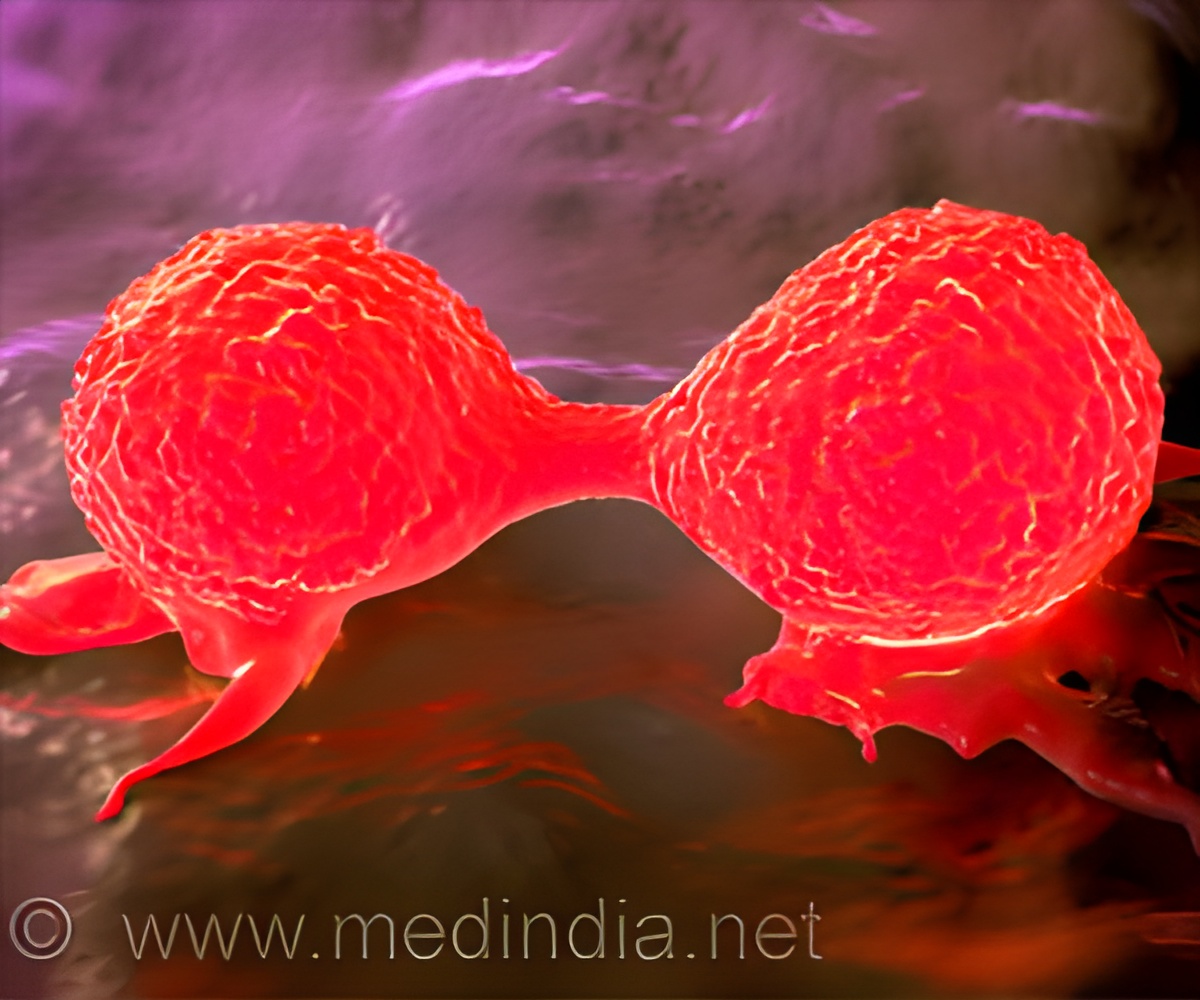
A powerful new technology - called BiCAP - uses nanotechnology to visualise and isolate protein complexes in breast cancer cells.

Cardiovascular Side Effects of Breast Cancer Drug
Patients receiving anti-ErbB2 therapies such as Herceptin for breast cancer face severe cardiovascular side effects including heart failure.
Patients receiving anti-ErbB2 therapies such as Herceptin for breast cancer face severe cardiovascular side effects including heart failure.
TOP INSIGHT

The ultimate aim of the BiCAP research was to develop new targets and methods to combat cancer, however the creation of those drugs and therapies was still some way off.
"These complex and highly choreographed protein networks are often disrupted in cancer and other diseases," Dr. Saunders explained. "By mapping them - a bit like building a giant subway map - we can better understand the unique biology of cancer. In turn, this helps us understand how cancer cells respond to drugs and may eventually help us find new targets for therapy." The research also provides insight into the molecular changes associated with drug resistance in cancer cells, a significant problem in treating the disease.
The BiCAP method uses an engineered "nanobody" which is able to recognise a very specific arrangement of protein fragments formed when two proteins interact with each other. The development of this approach took several years and was started while Dr Saunders was working at the British Columbia Cancer Centre in Vancouver, Canada and Dr Croucher was working at University College Dublin in Ireland.

Understanding the Cardiovascular Side Effects of Breast Cancer Drug 'Trastuzumab'
A receptor protein that is the target of trastuzumab is needed for proper heart blood-vessel development, reported researchers.
A receptor protein that is the target of trastuzumab is needed for proper heart blood-vessel development, reported researchers.
"Although many protein-protein interactions have been studied, there remains a great deal to explore about just binary protein interactions, much less multiprotein complexes." Dr. Saunders said the ultimate aim of the BiCAP research was to develop new targets and methods to combat cancer, however the creation of those drugs and therapies was still some way off.

Fat Cells May Play Key Role to Fight Breast Cancer
The nature of hormones produced by fat cells differ depending on whether the person is lean or obese and that determines whether the cancer grows or not.
The nature of hormones produced by fat cells differ depending on whether the person is lean or obese and that determines whether the cancer grows or not.

Cutting Axillary Nerves During Breast Cancer Surgery Associated With Chronic Pain
Women who undergo armpit lymph node surgery for breast cancer are much more likely to develop chronic pain, revealed an analysis led by McMaster University.
Women who undergo armpit lymph node surgery for breast cancer are much more likely to develop chronic pain, revealed an analysis led by McMaster University.
 Email
Email