MEDINDIA
 English
 हिन्दी
 Español
 français
 中文
中文
Pregnancy is not recommended in patients with certain types of heart disease - for example, pulmonary arterial hypertension, severely dilated aorta, or severely reduced ability of the heart to pump blood.


About Pregnancy
Detailed look at Early pregnancy Symptoms and easy health solutions during 1st, 2nd and 3rd trimester of pregnancy. With an addition of an online pregnancy due date calculator.
Detailed look at Early pregnancy Symptoms and easy health solutions during 1st, 2nd and 3rd trimester of pregnancy. With an addition of an online pregnancy due date calculator.
TOP INSIGHT

Beyond 40 weeks, pregnancy has no added benefit for the baby and may even have negative effects.
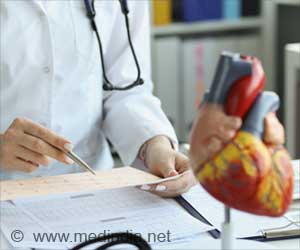
Heart disease in pregnancy is increasing as more women with congenital heart disease reach adulthood due to improved treatment and as the age at first pregnancy rises, accompanied by the higher rates of ischaemic heart disease in older, compared to younger, women. Cardiovascular risk factors including hypertension, diabetes and overweight are also on the rise in pregnancy as older women become pregnant and women now acquire risk factors at a younger age.
The guidelines provide recommendations on in vitro fertilisation (IVF), contraception, and termination of pregnancy in women with heart disease. IVF often uses high doses of hormones, which increase the risk of thrombosis and heart failure, so women with heart disease need a cardiologist's confirmation that the chosen method is safe. Since carrying more than one baby puts more stress on the heart, women with heart disease undergoing IVF are strongly advised to transfer a single embryo. Girls with congenital heart disease need contraception advice to avoid unplanned pregnancy. Some contraception methods are contraindicated in patients with certain types of heart disease.

Test Your Knowledge on Coronary Heart Disease
Coronary heart disease is a direct consequence of today’s unhealthy lifestyle and food habits, which include a high-fat diet, inadequate exercise and loads of stress. Coronary heart disease is emerging as an epidemic of the modern world, affecting younger individuals and extending to poorer countries as well. Here is a quiz that will test your knowledge on basic terminology used in coronary heart disease.
Coronary heart disease is a direct consequence of today’s unhealthy lifestyle and food habits, which include a high-fat diet, inadequate exercise and loads of stress. Coronary heart disease is emerging as an epidemic of the modern world, affecting younger individuals and extending to poorer countries as well. Here is a quiz that will test your knowledge on basic terminology used in coronary heart disease.
Professor Vera Regitz-Zagrosek, Chairperson of the Guidelines Task Force and Director of the Institute for Gender Medicine, Charité University Medical Centre Berlin, Germany, said: "When drug companies have no data on whether a drug is safe during pregnancy and breastfeeding they tend to say it is not recommended. It may be appropriate to give a drug to a severely ill woman if there are no harmful side effects noted in the databases listed in the guidelines."

Professor Roos-Hesselink said: "The delivery plan should be available 24 hours a day so that when a pregnant woman with heart disease arrives at hospital in labour hospital staff know exactly what to do."

Top 15 Foods to Avoid During Pregnancy
Eating healthy is important during pregnancy. But, some foods should be avoided during pregnancy because they could harm the growing fetus
Eating healthy is important during pregnancy. But, some foods should be avoided during pregnancy because they could harm the growing fetus
Source-Eurekalert
 Email
Email