MEDINDIA
 English
 हिन्दी
 Español
 français
 中文
中文
Study examines how loss of control eating impacts bariatric surgery success rates in adolescents.


Losing Weight Prior to Bariatric Surgery Has Better Outcomes
Obese patients who lose some excess weight before the bariatric surgery can help them in losing more weight after surgery and also reduces their hospital stay.
Obese patients who lose some excess weight before the bariatric surgery can help them in losing more weight after surgery and also reduces their hospital stay.
TOP INSIGHT

Engaging in loss of control eating at one, two and three years post bariatric surgery associated with significantly poorer weight loss outcomes.
The study, published in Pediatrics, found that while loss of control eating sharply declined among the study participants immediately following bariatric surgery, loss of control eating gradually increased throughout the four-year follow-up. Importantly, the presence of loss of control eating before surgery did not appear to impact long-term weight loss. However, engaging in loss of control eating at one, two and three years post-surgery was associated with significantly poorer weight loss outcomes.
"Loss of control eating is related to a variety of psychological health concerns, including depression and anxiety," said Richard E. Boles, Ph.D., pediatric psychologist in the Bariatric Surgery Center at Children's Colorado. "Physicians, therefore, not only need to be aware that loss of control eating is a common behavior in adolescents seeking bariatric surgery, but they also should understand what drives this behavior in their patients. They should ask their patients if they ever experience a feeling of being unable to control what or how much they are eating and closely monitor these symptoms at follow-up visits to determine the need to refer them for more intensive psychological treatment."

Bariatric Surgery Helps Reduce Heart Disease Risk Among Teens
Teens with severe obesity who underwent stomach reduction surgery to lose weight also significantly improved their heart health.
Teens with severe obesity who underwent stomach reduction surgery to lose weight also significantly improved their heart health.
Source-Eurekalert
Follow-up Care Essential for Patients After Bariatric Surgery
General practices and primary care needs to be given to patients after bariatric or obesity surgery. Also, nutrition and pregnancy advises need to be given.
General practices and primary care needs to be given to patients after bariatric or obesity surgery. Also, nutrition and pregnancy advises need to be given.
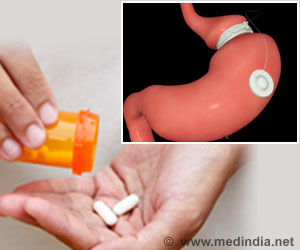
Prolonged Opioid Use may Cause Addiction in Bariatric Surgery Patients
An increased or prolonged use of opioid postoperatively in bariatric surgeries can lead to its addiction
An increased or prolonged use of opioid postoperatively in bariatric surgeries can lead to its addiction
 Email
Email