MEDINDIA
 English
 हिन्दी
 Español
 français
 中文
中文
A small group of cells in the brain had a big effect on seizures and memory in a mouse model of epilepsy.
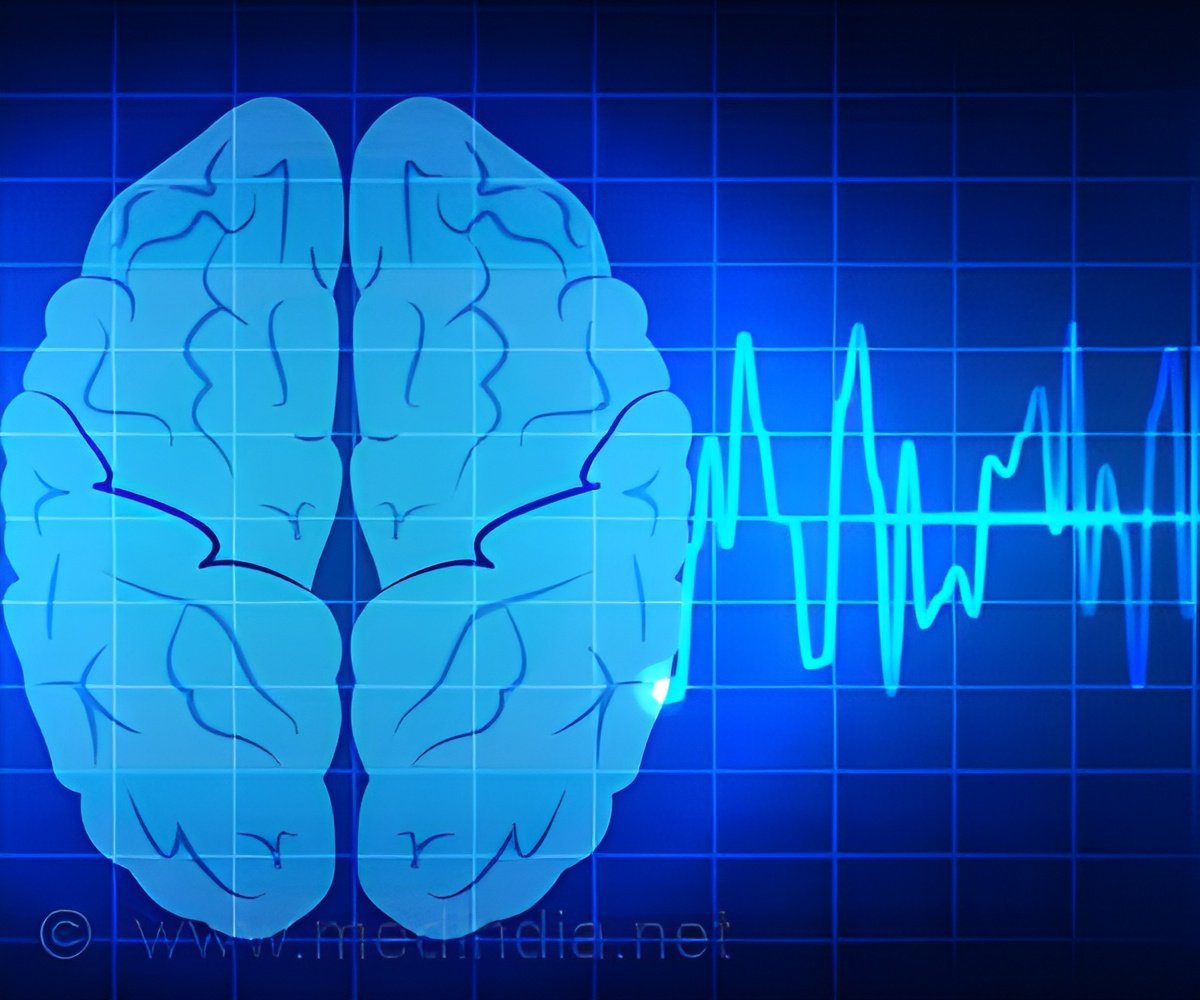

Epilepsy During Pregnancy - Causes, Symptoms, Complications, Treatment
Seizures or epilepsy during pregnancy can be fatal for both the mother and child and needs urgent medical intervention. The reasons are often unknown.
Seizures or epilepsy during pregnancy can be fatal for both the mother and child and needs urgent medical intervention. The reasons are often unknown.
TOP INSIGHT

Loss of mossy cells in the brain may contribute to seizures and memory problems in a form of epilepsy known as temporal lobe epilepsy.
"This study would not have been possible without the rapid advancement of technology, thanks in part to the BRAIN Initiative, which has encouraged scientists to develop innovative instruments and new ways to look at the brain," said Dr. Soltesz. "It's remarkable that we can manipulate specific brain cells in the hippocampus of a mouse. Using 21st century tools brings us closer than ever to unlocking the mysteries behind this debilitating disease."
In TLE, many seizures, known as focal seizures, originate in one part of the brain and are evident on electroencephalography (EEG) scans that show the brain's electrical activity. These seizures can result in symptoms such as twitching or a strange taste or smell, and many people with TLE might not be aware that these symptoms are seizures. Sometimes, focal seizures can spread throughout the entire brain becoming generalized, resulting in involuntary muscle spasms, or convulsions, that affect the limbs and other parts of the body as well as loss of consciousness.

Commonly Prescribed Drug Effectively Treats Infants with Epilepsy
Levetiracetam, a commonly prescribed drug is preferred to phenobarbital for more effective treatment of infants with nonsyndromic epilepsy, explores a new study.
Levetiracetam, a commonly prescribed drug is preferred to phenobarbital for more effective treatment of infants with nonsyndromic epilepsy, explores a new study.
"This was the first time we were able to show specifically that mossy cell activity can control convulsive seizures," said Anh Bui, an M.D., Ph.D. student at the University of California-Irvine, and first author of the paper. "These mice were missing most of their mossy cells, yet we were able to see effects just by manipulating the small number of surviving cells."
New Discovery Breakthrough for Epilepsy Patients
New method to locate seizure onset zone could save patients weeks of hospitalization and reduce complications.
New method to locate seizure onset zone could save patients weeks of hospitalization and reduce complications.
The epileptic mice had trouble with spatial memory tasks but their ability to recognize objects was unaffected. In addition, turning off mossy cells in healthy mice also led to problems with spatial memory in those animals. These findings suggest that a decrease in mossy cells may lead to convulsive seizures as well as memory deficits.
Epilepsy Linked to Certain Physical Brain Structures
Epilepsy is linked to brain volume and thickness differences in the grey matter, according to recent research led by University College London
Epilepsy is linked to brain volume and thickness differences in the grey matter, according to recent research led by University College London
Source-Eurekalert
 Email
Email