MEDINDIA
 English
 हिन्दी
 Español
 français
 中文
中文
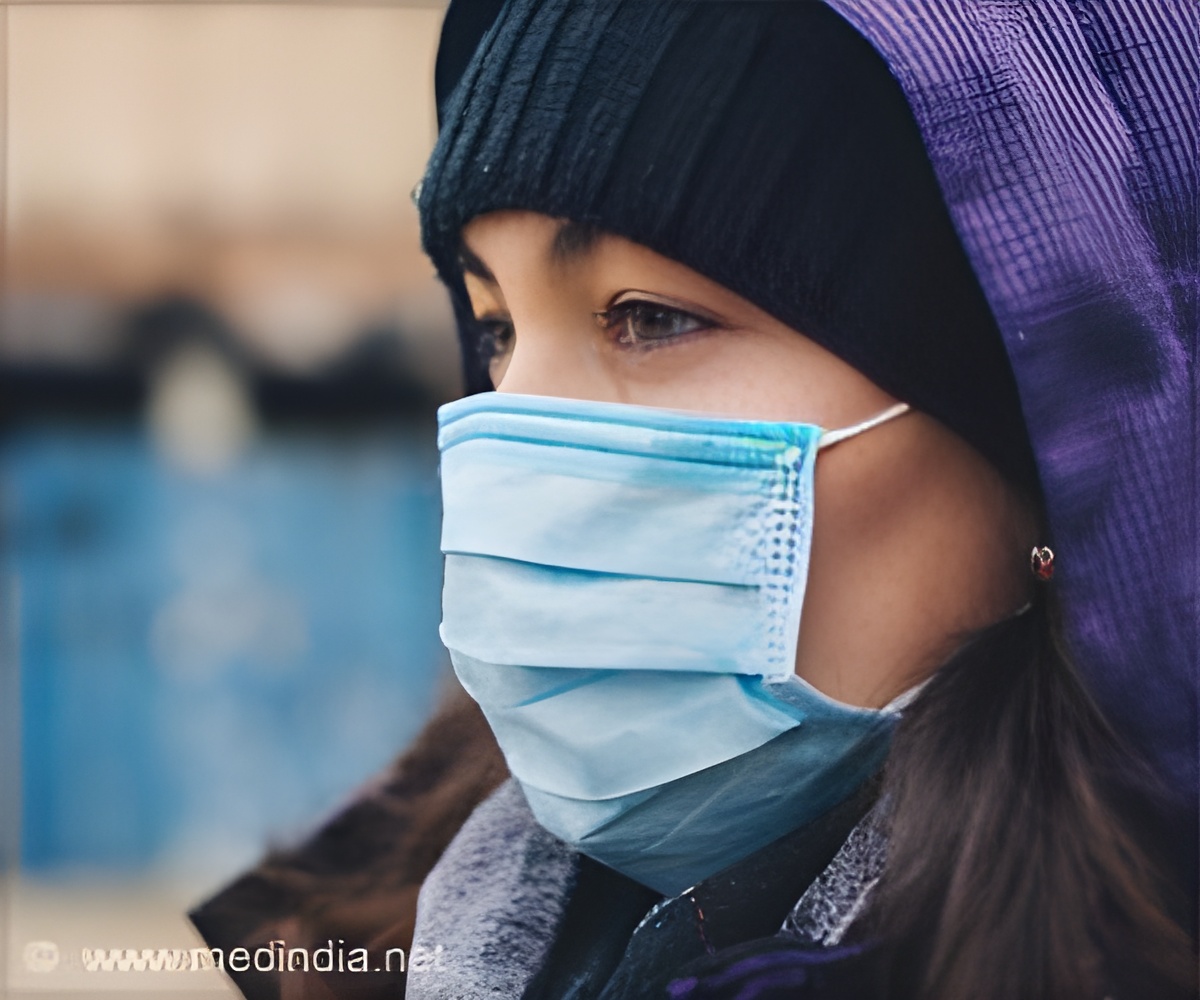
Strong feelings of germ aversion and pathogen disgust were found to be significantly associated with concern about COVID-19 and preventative behavior.
Coronavirus
Coronaviruses infect animals, humans, and birds. Human coronaviruses, such as SARS, MERS, and 2019-nCoV cause respiratory distress and even death. The S protein is the infectious agent of the virus.
Coronaviruses infect animals, humans, and birds. Human coronaviruses, such as SARS, MERS, and 2019-nCoV cause respiratory distress and even death. The S protein is the infectious agent of the virus.
TOP INSIGHT

Study identifies a variety of characteristics that may place individuals at risk for contracting and spreading disease during a pandemic.
Shook and her team asked study participants about their overall concerns about COVID-19 and about how often they engaged in preventative health behaviors like physical distancing, frequent hand washing, avoiding touching their face, wearing a facemask, and cleaning and disinfecting.
Participants also answered a series of demographic and social questions, including their age, political and religious values, and socioeconomic status, as well as questions designed to gauge risk factors for the disease - whether they had an underlying health condition that might predispose them to severe illness, whether a family member might be at greater perceived risk, or whether they recently had or believed that they had been ill with COVID-19.

Good Vitamin D Status is Beneficial in the Prevention of Cancer: Review
Good vitamin D status is beneficial in the prevention and the prognosis of several cancers, according to a new study.
Good vitamin D status is beneficial in the prevention and the prognosis of several cancers, according to a new study.
More than factors like age, perceived risk, or political stance, individuals who indicated strong feelings of germ aversion and pathogen disgust also reported greater concern for COVID-19 and increased participation in preventative behaviors. The researchers also found that the people most likely to be impacted by the virus are not necessarily those most likely to be engaging in preventative behaviors.

Self-Collected Saliva and Deep Nasal Swab Sufficient for COVID-19 Detection
Specimens self-collected from the front of the nose are less effective than deep nasal swabs for COVID-19 virus detection. The sensitivity of anterior nasal swab testing can be made effective up to 98% by combining an anterior nasal swab with a swab collected from the back of the throat.
Specimens self-collected from the front of the nose are less effective than deep nasal swabs for COVID-19 virus detection. The sensitivity of anterior nasal swab testing can be made effective up to 98% by combining an anterior nasal swab with a swab collected from the back of the throat.
Individuals with higher incomes were associated with more engagement in physical distancing and cleaning behaviors, but they would also have greater access to resources - like cleaning supplies - and the potential to work from home because of their socioeconomic status, Shook says. Recent illness and general perceived health were also linked with many preventative health behaviors, though the individual reasons could vary, from motivations to prevent others from becoming ill to greater awareness due to recent illness.

Nasal Vaccine Against COVID-19 Successfully Tested in Mice
A single dose of nasal vaccine against the SARS-CoV-2 has shown to prevent infection in mice. Compared to intramuscular injection of the vaccine, the nasal delivery shows a widespread immune response.
A single dose of nasal vaccine against the SARS-CoV-2 has shown to prevent infection in mice. Compared to intramuscular injection of the vaccine, the nasal delivery shows a widespread immune response.
Shook and her team hope to release additional findings related to initial survey data - including findings on mental health, job security and financial concerns, and vaccination related to COVID-19 - to be released in the coming weeks and months as their year-long examination continues.
Source-Eurekalert
 Email
Email