MEDINDIA
 English
 हिन्दी
 Español
 français
 中文
中文
Bladder tumors once deemed untreatable may soon have a CAR-T-based solution.

Bladder cancer variants share aggressive features including a CA125+ cell state and targetable TM4SF1 expression
Go to source).

Bladder Cancer Immunotherapy Response may be Predicted by Genetics
It could now be possible to predict how immunotherapy would affect patients with bladder cancer and other malignancies.
It could now be possible to predict how immunotherapy would affect patients with bladder cancer and other malignancies.
TOP INSIGHT

Did You Know?
Up to 1 in 4 bladder cancers may finally meet their match — thanks to ovarian cancer markers and CAR-T cell warriors!
#medindia #bladdercancer #carttherapy #clinicaltrials #urology
Cancer That Wears a Disguise
Most bladder cancers look and behave similarly, but histologic variant (HV) tumors are masters of disguise. They come in different shapes and forms under the microscope, making them hard to identify and even harder to treat. These tumors are more aggressive, resist standard therapies, and often return even after surgery. Because of this, they are usually left out of clinical trials, leaving patients with fewer options. But a new approach is changing that.
Vitamin D Deficiency Increases Risk of Bladder Cancer
Bladder cancer is the ninth most common cancer in the world. Vitamin D deficiency can increase the risk of bladder cancer, finds a new study.
Bladder cancer is the ninth most common cancer in the world. Vitamin D deficiency can increase the risk of bladder cancer, finds a new study.
A Surprising Marker: The Ovarian Cancer Clue
In a twist no one expected, researchers found that many HV tumors express CA125, a marker known for its role in ovarian cancer. This means that 1 in 4 bladder cancer cases may be hiding this hidden identity. Regular bladder tumors don’t show this marker at all. This shocking overlap could help doctors better diagnose and target these aggressive cancers in the future.
FDA Approved Monoclonal Antibody Shows Potential as First Line Bladder Cancer Treatment
Tecentriq (Atezolizumab) from Roche shows significant potential as first-line therapy for the treatment of bladder cancer by improving survival.
Tecentriq (Atezolizumab) from Roche shows significant potential as first-line therapy for the treatment of bladder cancer by improving survival.
Smart Tech, Smarter Discoveries
Thanks to a unique single-cell sequencing technology, scientists were able to look at tumor cells one by one, finding hidden patterns in their gene activity. This breakthrough revealed a specific tumor cell state with markers like MUC16 (CA125), MUC4, and KRT24, all linked to poor outcomes. These tumor cells were also resistant to chemotherapy and more likely to spread — a dangerous combination that made targeting them even more urgent.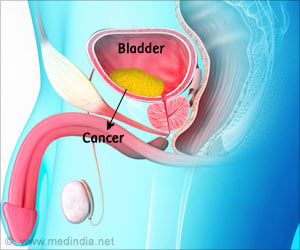
Atezolizumab Drug Can Help Treat Advanced Bladder Cancer
Atezolizumab marketed as Tecentriq has shrunk bladder tumors and expanded the survival of these patients.
Atezolizumab marketed as Tecentriq has shrunk bladder tumors and expanded the survival of these patients.
TM4SF1 on the Radar
Another major finding was a protein called TM4SF1 that sits on the surface of HV tumor cells. This protein became the bullseye for an experimental CAR-T therapy, where immune cells were specially trained to recognize and attack it. In lab tests and mice, these CAR-T cells hunted down and killed the cancer cells — and only the ones with TM4SF1, proving it’s a powerful and specific target.Hope on the Horizon for Forgotten Patients
This discovery is not just scientific — it’s deeply human. For patients with HV bladder cancer who have long been excluded from research and lacked hope, this new therapy could be life-changing. “We think this could finally move the needle,” said Dr. Franklin Huang. With the power of precision medicine and immunotherapy , doctors may soon offer real solutions to those who had none before.References:
- Bladder cancer variants share aggressive features including a CA125+ cell state and targetable TM4SF1 expression - (https://www.nature.com/articles/s41467-025-59888-8#Abs1)
Source-University of California - San Francisco
 Email
Email