MEDINDIA
 English
 हिन्दी
 Español
 français
 中文
中文
In mouse models, YTX-7739 drug delays tumor growth and increases glioblastoma cells’ sensitivity to anticancer therapies.

About Brain Tumor
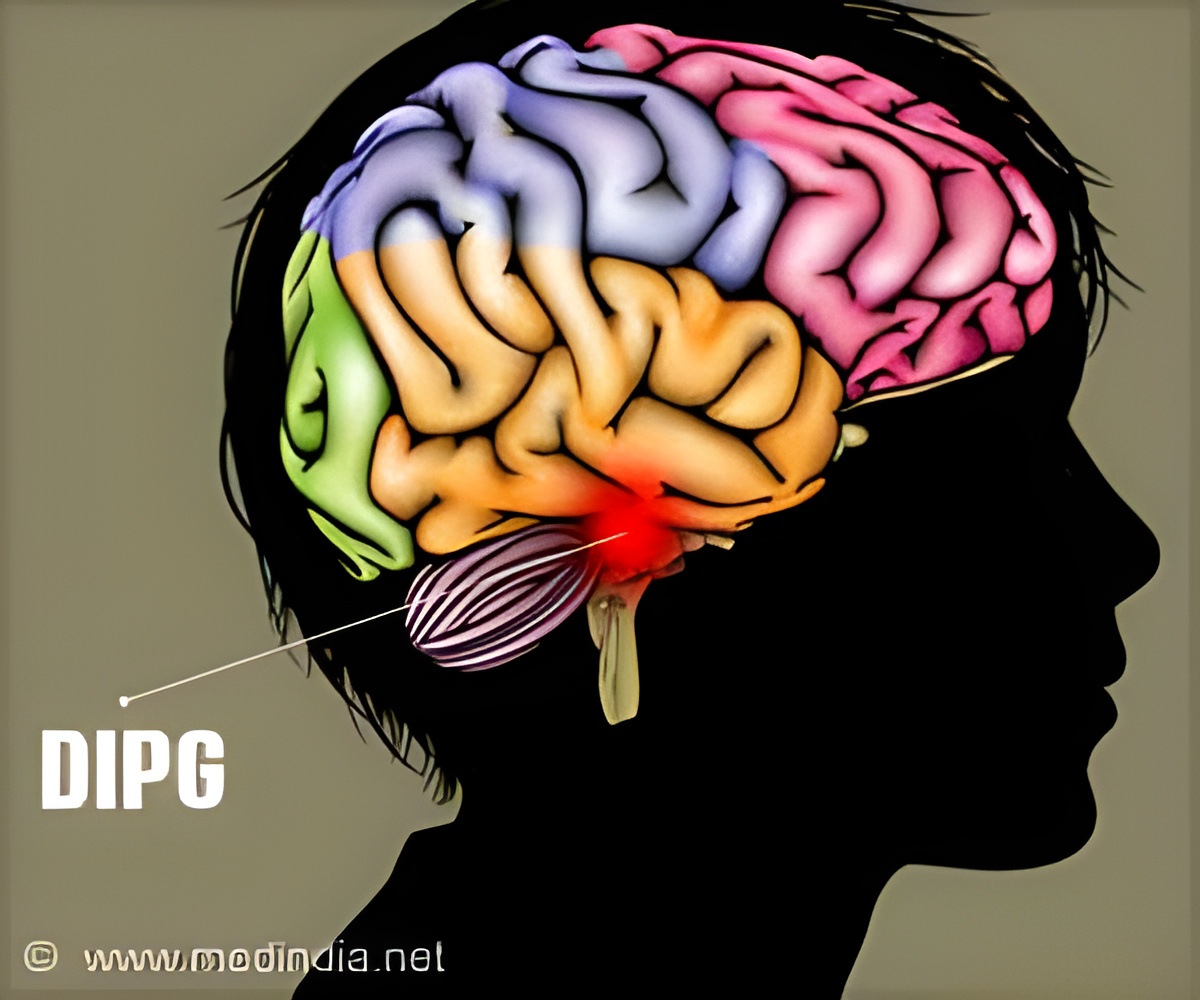
Brain tumors are the abnormal growth of brain cells that may be benign or metastatic. Brain tumors account for about 2.4% of all the tumor diagnosesandare most challenging due to their critically delicate location.
Brain tumors are the abnormal growth of brain cells that may be benign or metastatic. Brain tumors account for about 2.4% of all the tumor diagnosesandare most challenging due to their critically delicate location.
TOP INSIGHT

YTX-7739 was toxic to patient-derived glioblastoma stem cells.
Analysis of Anti-Brain Tumor Potential
In this new research, the team tested the anti-glioblastoma potential of an SCD inhibitor, YTX-7739, which can cross the blood brain barrier and is being evaluated as an oral drug in phase I clinical trials for the treatment of patients with Parkinson’s disease.By blocking SCD, the cells accumulated too many saturated fatty acids, a process referred to as lipotoxicity. Also, when administered to mice with tumors, YTX-7739 inhibited processes involved in fatty acid metabolism in glioblastoma cells and increased the cells’ sensitivity to conventional glioblastoma chemotherapy.
When examining the detailed mechanisms behind YTX-7739’s effects on cells, the scientists found that the MEK/ERK signaling pathway renders glioblastoma cells particularly vulnerable to YTX-7739, whereas the AMPK signaling pathway acts to protect glioblastoma cells and can make them resistant to the loss of de novo lipid synthesis that occurs when YTX-7739 is present.
Brain Tumor in Children - Types, Causes, Symptoms, Diagnosis & Treatment
An abnormal growth of cells in the brain is called brain tumor. Most tumors arise within the brain (primary). They can be benign or cancerous.
An abnormal growth of cells in the brain is called brain tumor. Most tumors arise within the brain (primary). They can be benign or cancerous.
In other words, patients whose tumors have robust MEK/ERK activity would likely benefit from therapies such as YTX-7739, whereas those with high AMPK activity likely would not. “Our findings should also help tailor treatment paradigms to maximize therapeutic efficacy.

Brilliant Human Brain
The most amazing and complex organ in the entire universe, the human brain continues to remain an enigma.
The most amazing and complex organ in the entire universe, the human brain continues to remain an enigma.
Additional co-authors include Katharina M. Eyme, Alessandro Sammarco, Roshani Jha, Hayk Mnatsakanyan, Caline Pechdimaljian, Litia Carvalho, Rudolph Neustadt, Charlotte Moses, Ahmad Alnasser, Daniel F. Tardiff, Baolong Su, Kevin J. Williams, Steven J. Bensinger, and Chee Yeun Chung.
Source-Eurekalert
 Email
Email