MEDINDIA
 English
 हिन्दी
 Español
 français
 中文
中文
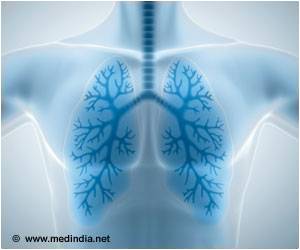
Nanoparticles can be hazardous to our health as they, because of their small size, can penetrate deeper into the lungs than larger particles.

Soaring Air Pollution Rates Increase Lung-Related Diseases Across Gurgaon
Outdoor and indoor air pollution, second hand smoking, burning of waste and coal contributed to the rise in lung-related diseases in the region.
Outdoor and indoor air pollution, second hand smoking, burning of waste and coal contributed to the rise in lung-related diseases in the region.
TOP INSIGHT

Particles from sea traffic in the North Sea and the Baltic Sea are expected to contribute to about 10,000 premature deaths every year.
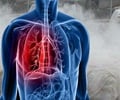
Nanoparticles can be hazardous to our health as they, because of their small size, can penetrate deeper into the lungs than larger particles contributing to both cardiovascular and pulmonary diseases. A cubic centimeter can contain several thousand nanoparticles.
To arrive at these results, he and his colleagues have studied the air flow from their measuring station in southern Sweden as it passes over the Baltic Sea, all the way to the measuring station on the Lithuanian coast. The wind often travels towards the east, and the particles can travel long distances before they are trapped in our lungs or washed away by the rain. They have also studied the air flow from a station in the Finnish archipelago towards the Lithuanian station.
Delhi Air Pollution Levels Reach to "Hazardous" Category of World Air Quality Index
The national capital recorded high amounts of suspended particulate matter where the average levels of PM 2.5 was 157 and PM 10 was 264.
The national capital recorded high amounts of suspended particulate matter where the average levels of PM 2.5 was 157 and PM 10 was 264.
Particles from sea traffic in the North Sea and the Baltic Sea are expected to contribute to 10 000 premature deaths every year, but Adam Kristensson stresses that this estimate is very uncertain, and believes that it is important to continue to conduct these types of measurements. He also advocates stricter legislation.

Costa Rica Promotes Clean Energy - And Bad Car Pollution
Costa Rica depends on solar power, a sign of an eco-friendly push in the country that has made the country a model of development and clean energy.
Costa Rica depends on solar power, a sign of an eco-friendly push in the country that has made the country a model of development and clean energy.
Future regulations will hopefully reduce the emissions of harmful nanoparticles, especially soot particles, which are considered the most hazardous.

Do Not Forget to Discuss Public Health at Paris Climate Summit: WHO
The United Nations has suggested that the upcoming Paris climate summit could produce the most important agreement of the century for public health matters.
The United Nations has suggested that the upcoming Paris climate summit could produce the most important agreement of the century for public health matters.
Source-Eurekalert
 Email
Email