MEDINDIA
 English
 हिन्दी
 Español
 français
 中文
中文
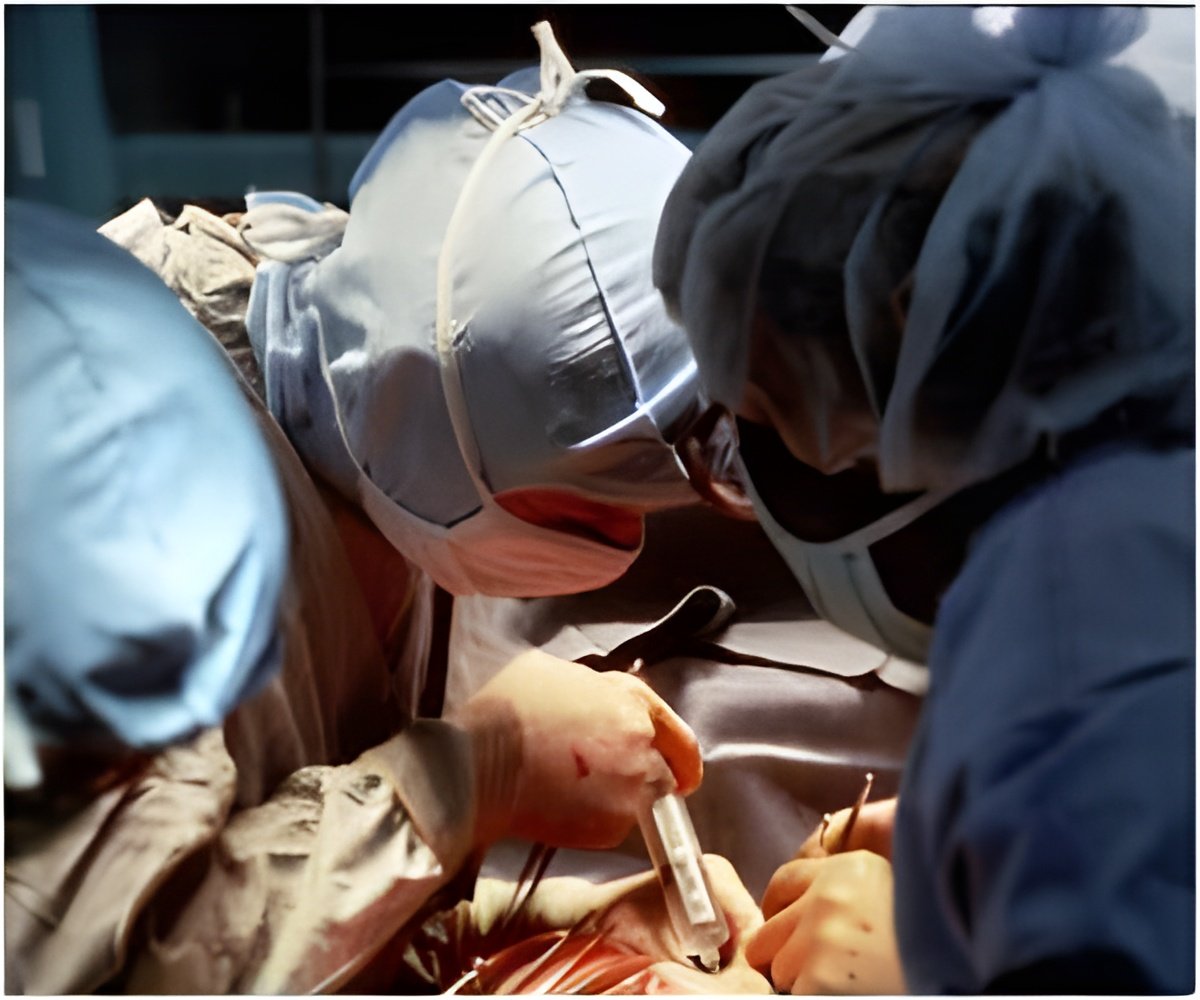
A survey of patients receiving treatment in a teaching facility found that patients prefer to be informed of trainee participation in their care, and consent rates appear

Medical Students' and Internal Medicine Careers
Researchers found that many medical students in 2007 viewed internal medicine as a potentially meaningful career, however majority of students are opting for other specialties.
Researchers found that many medical students in 2007 viewed internal medicine as a potentially meaningful career, however majority of students are opting for other specialties.
The authors distributed 500 surveys, 316 (63.2 percent) of which were returned and included in the study. Most patients indicated no preference for a private hospital versus a teaching hospital, however of those who did, more preferred a teaching hospital to a private facility for overall care (24.9 percent vs. 8.8 percent) and minor surgical procedures (28.2 percent vs. 12 percent), but hospital preference for major surgical procedures was similar (24.7 percent vs. 26.6 percent). Additionally, 91.2 percent of those patients who indicated a facility preference reported that their care in a teaching hospital would be equivalent to or better than that of a private hospital.
Patients also indicated they overwhelmingly preferred to be informed of resident participation in their surgical procedure, regardless of whether it was a major procedure (95.7 percent) or a minor surgery (87.5 percent). A total of 94 percent of respondents indicated they would consent to involvement of a surgical resident, however this decreased to 85 percent for a surgical intern and 79.9 percent for medical student involvement. When provided with specific scenarios involving trainee participation, 57.6 percent of patients consented to having a junior resident act as the first assistant, 25.6 percent consented to the resident acting as the operation surgeon with direct staff observation, and 18.2 percent consented to resident participation without direct staff observation.

Simulation Training in Obstetrics Helps Medical Students Score Better
Medical students who practiced on a patient simulator before assisting in real-life vaginal deliveries scored significantly higher on their final examinations
Medical students who practiced on a patient simulator before assisting in real-life vaginal deliveries scored significantly higher on their final examinations

Exposure to Pharmaceutical Industry Marketing is High Among Medical Students
It has emerged that medical students in the United States are frequently exposed to pharmaceutical marketing, even in their preclinical years.
It has emerged that medical students in the United States are frequently exposed to pharmaceutical marketing, even in their preclinical years.

Medical Students Get Pediatric Experience on Child-Size Mannequin
Rice University bioengineering students have modified a child-size training mannequin to give medical students hands-on pediatric experience so that real patients can be spared further
Rice University bioengineering students have modified a child-size training mannequin to give medical students hands-on pediatric experience so that real patients can be spared further
 Email
Email