MEDINDIA
 English
 हिन्दी
 Español
 français
 中文
中文
The brain will not perform any cogitation but can produce electrical signals and form their own neural connections making them readily producible for research.
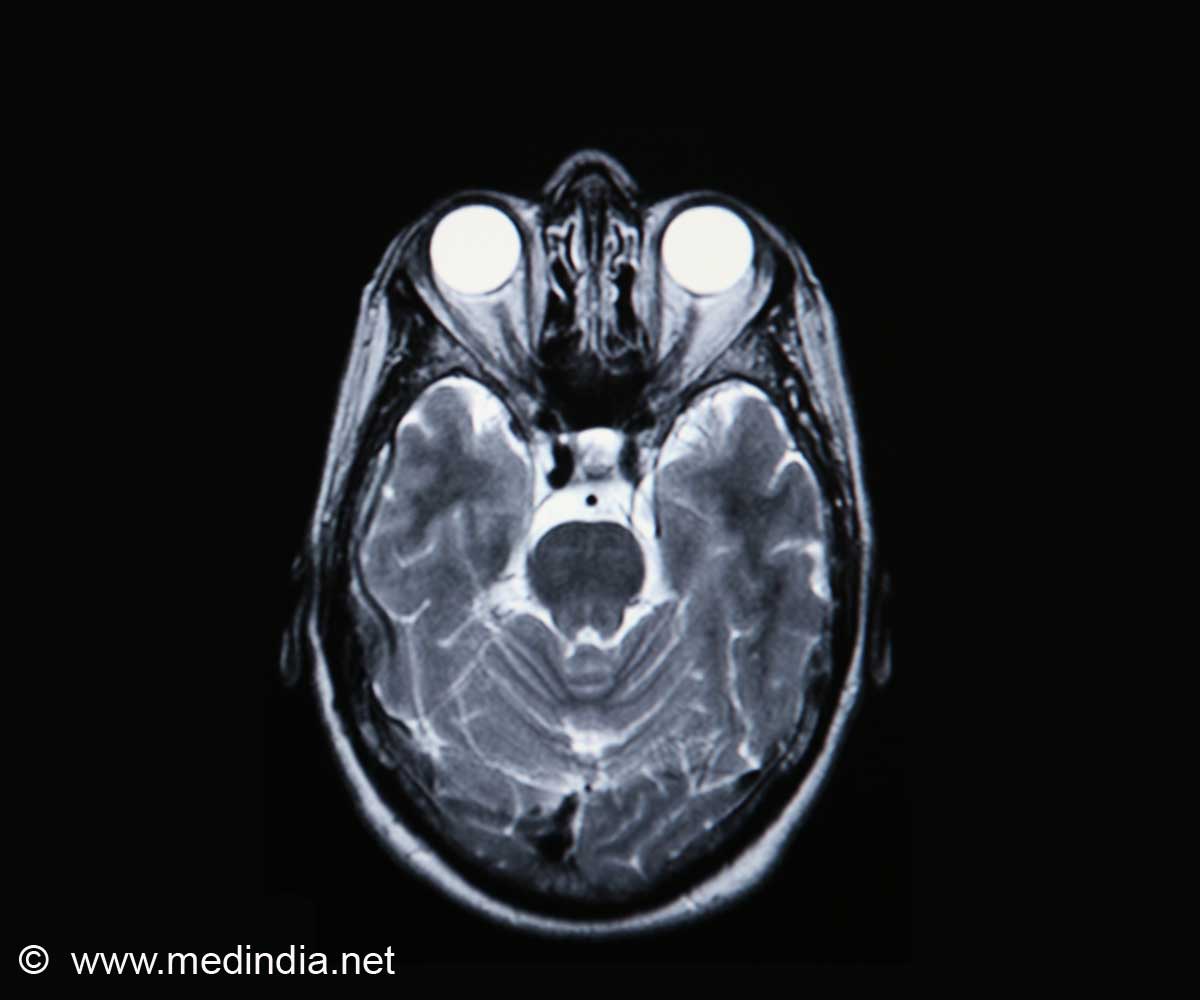
Electroencephalogram (EEG): Diagnosis & Testing of Brain Disorders
An electroencephalogram (EEG) detects electrical activity in the brain using electrodes attached to the scalp.
An electroencephalogram (EEG) detects electrical activity in the brain using electrodes attached to the scalp.
Just a small sample of living tissue from a single rodent can make thousands of mini-brains.
The recipe involves isolating and concentrating the desired cells with some centrifuge steps and using that refined sample to seed the cell culture in medium in a spherical mold.
Head Injury | Brain Injury Overview Types Causes Symptoms Diagnosis Treatment
Head injury or traumatic brain injury is a leading cause of disability among children and young adults that leads to varying degrees of physical and mental stability. Fortunately, it is also one of the preventable brain disorder.
Head injury or traumatic brain injury is a leading cause of disability among children and young adults that leads to varying degrees of physical and mental stability. Fortunately, it is also one of the preventable brain disorder.
"The materials are easy to get and the mini-brains are simple to make," added co-lead author Yu-Ting Dingle.
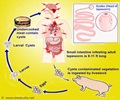
Neurocysticercosis / Cysticercosis of Brain / Pork Tapeworm - Causes Symptoms Diagnosis Treatment FAQs
Neurocysticercosis or Cysticercosis of brain is the most common cause of epilepsy and the most common parasitic infection of the brain. Neurocysticercosis is more common in the developing countries.
Neurocysticercosis or Cysticercosis of brain is the most common cause of epilepsy and the most common parasitic infection of the brain. Neurocysticercosis is more common in the developing countries.
"There are fixed costs, of course, but an approximate cost for each new mini-brain is on the order of $0.25," said study senior author Diane Hoffman-Kim, associate professor of molecular pharmacology.

About Brain Tumor
Brain tumors are the abnormal growth of brain cells that may be benign or metastatic. Brain tumors account for about 2.4% of all the tumor diagnosesandare most challenging due to their critically delicate location.
Brain tumors are the abnormal growth of brain cells that may be benign or metastatic. Brain tumors account for about 2.4% of all the tumor diagnosesandare most challenging due to their critically delicate location.
Source-IANS
 Email
Email