MEDINDIA
 English
 हिन्दी
 Español
 français
 中文
中文
The new self-powered sensor technology could redefine wearable healthcare with advanced, battery-free monitoring.
Self-powered wearable health sensors could transform dementia and pregnancy care
Go to source).
STEPS1.0: Battery-Free Wearable Tech for Continuous Health Monitoring
The Self-Powered Tribo-Electric Pressure Sensor (STEPS1.0) enables advanced remote monitoring of vital signs, such as breathing patterns, bed occupancy, fetal movements, and pressure distribution to prevent bedsores. Powered by mechanical energy from natural movements, STEPS1.0 eliminates the need for batteries or external charging, providing a scalable and cost-effective alternative to current monitoring systems.
AI-Enabled Wearable Sensor Uses Vibration to Curb Nocturnal Scratching
An AI-enabled wearable sensor with vibratory feedback significantly reduces nocturnal scratching in atopic dermatitis, improving sleep without medication.
An AI-enabled wearable sensor with vibratory feedback significantly reduces nocturnal scratching in atopic dermatitis, improving sleep without medication.
TOP INSIGHT

Self-powered #wearable_healthcare could revolutionize monitoring, offering subtle clues for #dementia progression and indicators linked to #stillbirth. #healthtech
Dr. Bhaskar Dudem, Chief Technology Officer and Founder of Z-PULSE Ltd, and Research Fellow at the University of Surrey’s Advanced Technology Institute, said:
“This funding is a significant milestone for Z-PULSE, allowing us to move from lab-based research to having a real-world impact. By eliminating the need for external power sources, STEPS1.0 ensures uninterrupted, real-time health monitoring for critical conditions like dementia and foetal health. The validation from leading research partners strengthens our path to commercialisation. "

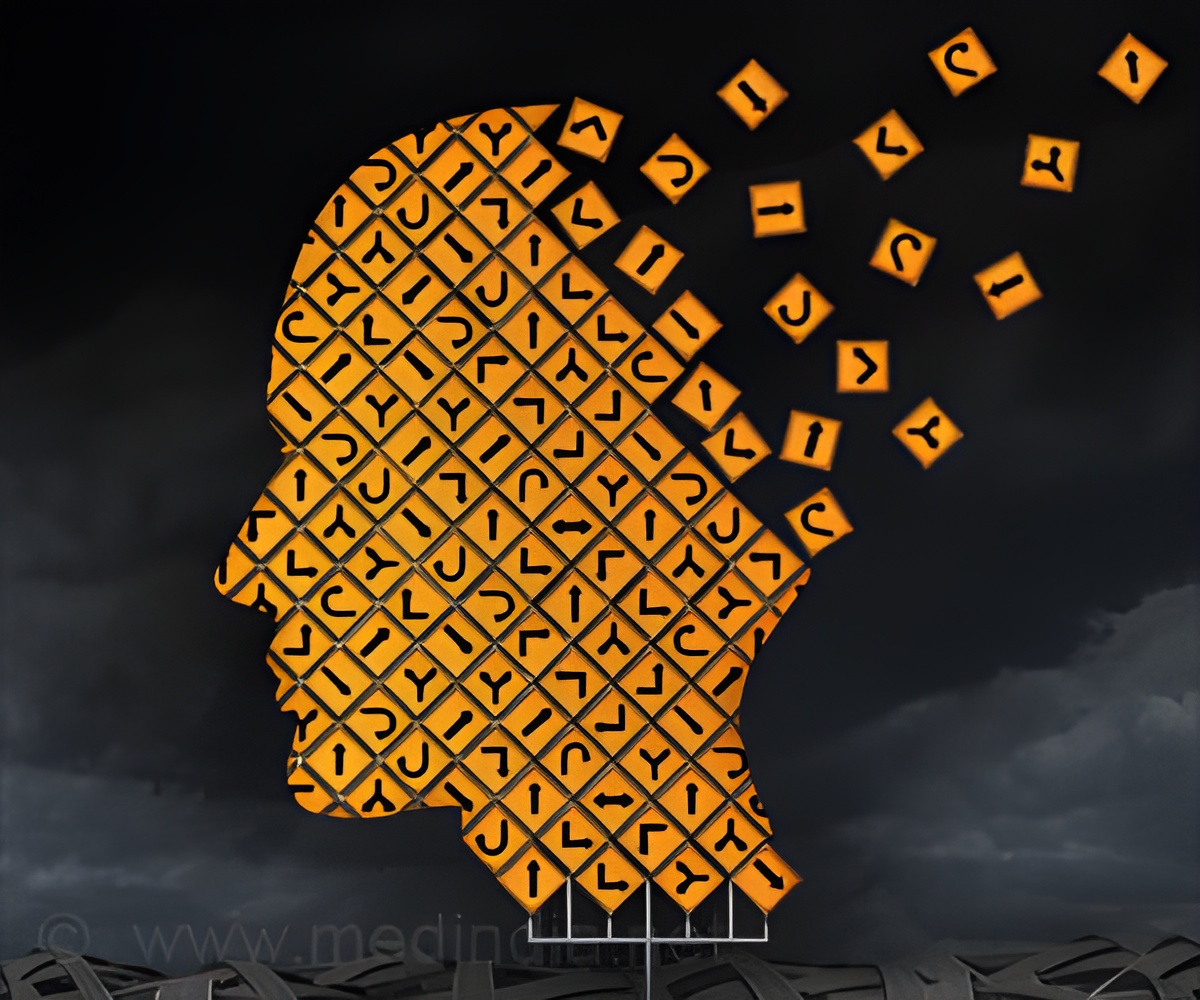
Vascular Dementia
Vascular dementia is the second most common form of dementia. Though it has no cure, you can still learn to manage its symptoms and lead a joyful life.
Vascular dementia is the second most common form of dementia. Though it has no cure, you can still learn to manage its symptoms and lead a joyful life.
“Our self-powered sensor technology has the potential to redefine wearable healthcare, making continuous monitoring effortless and accessible. It has many applications in a modern society, where the Gen-Z population can be linked seamlessly and remotely to everyday activities of loved ones and those under their care without having wired links or battery-operated sensors.
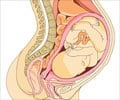
Stillbirth
The term stillbirth is used when fetal death occurs after twenty weeks of pregnancy. A change in fetal movement could provide indications of fetal distress or even death.
The term stillbirth is used when fetal death occurs after twenty weeks of pregnancy. A change in fetal movement could provide indications of fetal distress or even death.
Dr Jim Shaikh is the Managing Director of Innovate Surrey Ltd, which was established to bridge the gap between the research happening at the University and real-world applications. He said:
Test Your Knowledge on Dementia
Dementia is a leading cause of disability in older people. It is a condition where brain cells are permanently damaged or functionally impaired. Till 2015, about 47.5 million people suffer from dementia across the globe. There are various conditions ...
Dementia is a leading cause of disability in older people. It is a condition where brain cells are permanently damaged or functionally impaired. Till 2015, about 47.5 million people suffer from dementia across the globe. There are various conditions ...
Reference:
- Self-powered wearable health sensors could transform dementia and pregnancy care - (https://www.surrey.ac.uk/news/self-powered-wearable-health-sensors-could-transform-dementia-and-pregnancy-care)
Source-Eurekalert
 Email
Email