MEDINDIA
 English
 हिन्दी
 Español
 français
 中文
中文
Breast cancer upstaging at surgery often reflects underestimated initial disease extent, not rapid tumor progression.

Breast Cancer Upstaging Risk and In Vivo Tumor Growth Rates Associated with Preoperative Delays
Go to source). The study sheds light on how delays in surgery can influence cancer staging—the assessment of how far the disease has spread. These findings provide valuable insight into tumor progression during the interval between diagnosis and surgical treatment.
Breast Cancer Management: Advances
The crab that invades the breast is no more a fear factor with all the advancements that medical science and customized protocols can fight breast cancer. the recent developments in the management of breast cancer.
The crab that invades the breast is no more a fear factor with all the advancements that medical science and customized protocols can fight breast cancer. the recent developments in the management of breast cancer.
TOP INSIGHT

The anxious wait for #breastcancersurgery is tough enough. But for many, the fear of the cancer growing or spreading during that time is a huge concern. How are researchers addressing this critical challenge? #BreastCancerAwareness #BreastCancer
Surgical Delays and Staging: Unpacking Their Impact on Breast Cancer Progression
“It’s the first study ever to use pathologic tumor sizes to determine how fast tumors of different sizes and traits grow in the patient while they’re waiting for treatment,” said Richard Bleicher, MD, FACS, lead author on the study and Chief of the Division of Breast Surgery at Fox Chase.Pathologic tumor size refers to the size of a tumor after it is surgically removed from the patient and examined. Clinical size, which is determined by imaging equipment such as X-rays or CT scans before surgery, is typically less accurate.
“Patients who are diagnosed with breast cancer are always worried about how fast breast cancer grows while they wait for their surgery and the likelihood that it will spread from that growth,” Bleicher said. “This study finally gives patients and their physicians that information for tumors of different sizes and types to make the best decisions they can.”
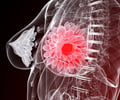
Breast Cancer
Breast cancer is a cancer that affects the breasts or mammary glands. Early detection and lifestyle changes help in controlling breast cancer.
Breast cancer is a cancer that affects the breasts or mammary glands. Early detection and lifestyle changes help in controlling breast cancer.
“Many patients fear that delays in care will allow their cancer to grow and spread beyond the point of cure. This study provides the most comprehensive evaluation of how treatment delays may affect the likelihood that a tumor will be upstaged or be at a more advanced stage at the time of surgery than initially estimated at diagnosis,” Bleicher said.
Quiz on Breast Cancer
Breast cancer is one of the leading causes of cancer deaths among women. It is often said that a woman who breast-feeds is at a lower risk of developing cancer compared to another who does not .Are these mere old wives tales or is there some truth ...
Breast cancer is one of the leading causes of cancer deaths among women. It is often said that a woman who breast-feeds is at a lower risk of developing cancer compared to another who does not .Are these mere old wives tales or is there some truth ...
The study utilized data from the National Cancer Database for over one million patients treated between 2010 and 2020. These patients had non-metastatic, non-inflammatory breast cancer and were undergoing surgery as their first treatment.

Breast Cancer Risk Assessment Calculator
Breast Cancer Risk Assessment Calculator predicts the risk for breast cancer. Find list of breast cancer facts and more information on signs and symptoms of breast cancer and mammography.
Breast Cancer Risk Assessment Calculator predicts the risk for breast cancer. Find list of breast cancer facts and more information on signs and symptoms of breast cancer and mammography.
Why Surgical Upstaging Often Reveals Undetected Disease Extent
“Interestingly, a significant proportion of the observed upstaging is not from tumor progression, but from the inaccuracy of clinical staging. In other words, when breast cancers are upstaged at surgery, it’s more likely because we didn’t appreciate the initial extent of disease than because the tumor had time to spread,” said Bleicher.“The findings in this study expand our knowledge and offer new data to help counsel individuals diagnosed with breast cancer. As we continue to refine our diagnostic tools and clinical assessments, we will reduce the risk of upstaging even further,” he added.
“We may not be able to stop time, but armed with this new knowledge, we can use it more wisely, empowering patients to ensure that they feel urgency and not fear.”
Reference:
- Breast Cancer Upstaging Risk and In Vivo Tumor Growth Rates Associated with Preoperative Delays - (https://link.springer.com/article/10.1245/s10434-025-17867-9)
Source-Eurekalert
 Email
Email