MEDINDIA
 English
 हिन्दी
 Español
 français
 中文
中文
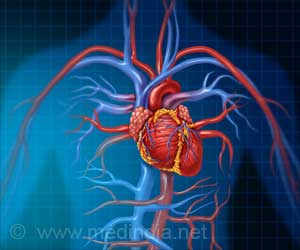
The new report examines how extreme heat affects cardiovascular health, why health professionals should care, and how to minimize consequences.


Heat Exhaustion - Causes - Symptom - Treatment - FAQs
Heat exhaustion is a heat-related illness and occurs when the body gets too hot. Heat exhaustion occurs due to dehydration and loss of electrolytes through the skin.
Heat exhaustion is a heat-related illness and occurs when the body gets too hot. Heat exhaustion occurs due to dehydration and loss of electrolytes through the skin.
TOP INSIGHT

Health professionals need to be aware of the negative consequences of extreme heat on cardiovascular health.
Risk factors for heat-related hospitalization include age, chronic illnesses, social isolation, some medications, and lack of access to air conditioning. Among chronic illnesses, cardiovascular diseases are often identified as a risk factor for heat-related hospitalization and death.
“The Intergovernmental Panel on Climate Change (IPCC) recently reported that global temperatures are rising at a greater rate than previously projected and that the number of extreme heat days will significantly increase across most land regions,” explained senior author Daniel Gagnon, Ph.D., Montreal Heart Institute, and School of Kinesiology and Exercise Science, University of Montreal, Montreal, Canada.

Water Matters: Why You Need to Drink Enough Water Everyday
Water is essential to balance body fluids, boost brain function, improve digestion, prevent kidney stones, regulate body temperature, and control cholesterol. The required water intake for adult men and women is 3.7 and 2.7 liters per day.
Water is essential to balance body fluids, boost brain function, improve digestion, prevent kidney stones, regulate body temperature, and control cholesterol. The required water intake for adult men and women is 3.7 and 2.7 liters per day.
Furthermore, they examined systematic reviews and meta-analyses that considered the effect of extreme heat on adverse cardiovascular outcomes and report that heatwaves significantly increase the risk of death from ischemic heart disease, stroke, and heart failure.

Intravenous Fluid Replacement Therapy - Types, Administration, Complications
Find the facts of intravenous fluid replacement therapy including uses in dehydration and other conditions, complications and other information.
Find the facts of intravenous fluid replacement therapy including uses in dehydration and other conditions, complications and other information.
The preventive strategies to minimize cardiovascular risk during extreme heat events should aim to reduce the extent of high body temperature and water loss.

New Hydration Sensor Device Improves Dialysis Outcomes
New hydration sensor device developed helps in measuring the hydration levels of patients on dialysis and monitoring their blood pressure. The device could also help people with congestive heart failure, athletes and elderly who are at the risk of dehydration.
New hydration sensor device developed helps in measuring the hydration levels of patients on dialysis and monitoring their blood pressure. The device could also help people with congestive heart failure, athletes and elderly who are at the risk of dehydration.
Public advisories include identifying the signs of heat stress, ensuring people drink adequate amounts of cold fluid, or seeking an air-conditioned environment should also be included.
Recent research supports electric fan use, skin wetting, and immersing the feet in tap water as simple alternatives to air conditioning to stay cool during extreme heat events.
More research is needed to better understand the reasons why extreme heat is associated with a greater risk of adverse cardiovascular outcomes and the effect of cardiovascular medication on the human body’s physiological responses during heat exposure.
The optimal cooling strategies that can be recommended to individuals with heart disease during heatwaves; and safe environmental limits for outdoor exercise in individuals with heart disease.
Better awareness and understanding of the cardiovascular consequences of extreme heat, and of the measures to take to prevent and mitigate adverse events, will help us all assess the risk and optimize the care of patients exposed to an increasingly warm climate.
Source-Medindia
 Email
Email