MEDINDIA
 English
 हिन्दी
 Español
 français
 中文
中文
Long-term corticosteroid use increases the risk of adrenal insufficiency and related hospitalizations.

Real-world evidence links long-term use of oral and inhaled steroids to adrenal insufficiency
Go to source). These individuals are also more likely to be hospitalized due to the condition. Meanwhile, those using inhaled steroids long-term also show a heightened risk of adrenal insufficiency, though without a corresponding rise in hospital admissions. The study emphasizes the need for appropriate replacement therapy, such as hydrocortisone, to help prevent this condition.

Are Steroids Bad For You?
Steroids are miracle drugs but have to be used with caution. Some steroids are illegal to use, without prescription. Most steroids have severe side effects hence, these must be taken under strict medical supervision.
Steroids are miracle drugs but have to be used with caution. Some steroids are illegal to use, without prescription. Most steroids have severe side effects hence, these must be taken under strict medical supervision.
TOP INSIGHT

Using #steroid tablets for >3 months increases the risk of #adrenalinsufficiency diagnosis by 6x and hospitalization by 3x compared to NSAID users. #steroids_sideeffects #NSAIDS
Why Gradual Steroid Reduction is Crucial for Adrenal Health
Steroids, also called corticosteroids, are anti-inflammatory medicines used to treat various conditions such as asthma, chronic obstructive pulmonary disease (COPD), allergies, arthritis and autoimmune diseases. When taking these widely-prescribed medicines, such as prednisolone, for more than three weeks, the dose has to be reduced gradually because abruptly stopping them can cause the adrenal gland to stop producing the stress hormone cortisol — a condition known as adrenal insufficiency.In this study, Dr. Patricia Vaduva and colleagues from France examined 558,667 individuals who used steroid tablets or inhaled steroids for 3 months to 5 years, and compared them to individuals treated only with non-steroidal anti-inflammatory drugs (NSAIDs). The researchers found that those who used steroid tablets for more than 3 months were over 6 times more likely to be diagnosed with adrenal insufficiency and over 3 times more likely to be hospitalised for adrenal insufficiency than those who only used NSAIDs. Similarly, those who took inhaled steroids had a 55% higher risk of being diagnosed with adrenal insufficiency, but did not have an increased risk of being hospitalised for the same condition.
“The impact of corticosteroids on the pituitary gland — located in the brain and which regulates adrenal gland cortisol secretion — has been previously looked at, but studies on the incidence of adrenal insufficiency following the chronic use of both oral and inhaled corticosteroids are practically lacking.”
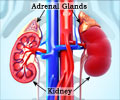
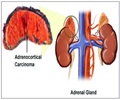
Adrenal Gland Disorders
Adrenal gland disorders arise when the adrenal glands do not work properly. Adrenals may produce too much hormones or too little hormones.
Adrenal gland disorders arise when the adrenal glands do not work properly. Adrenals may produce too much hormones or too little hormones.
“The presence of synthetic corticosteroids in the blood can cause the adrenal glands to go into a ‘sleep-like’ state, where they reduce or stop producing cortisol. Therefore, when long-term corticosteroid therapy is stopped suddenly, a substitutive treatment with a naturally-occurring steroid like hydrocortisone is needed to avoid adrenal insufficiency and its potential life-threatening consequences. This will allow patients to be safe and will prevent numerous hospitalisations,” said Dr Vaduva.

Skin Lightening Products Tied to Altered Steroid Hormone Levels
Women who abuse corticosteroid creams for cosmetic skin lightening might be at risk of developing adrenal insufficiency, reports a new study.
Women who abuse corticosteroid creams for cosmetic skin lightening might be at risk of developing adrenal insufficiency, reports a new study.
- Real-world evidence links long-term use of oral and inhaled steroids to adrenal insufficiency - (https://www.eurekalert.org/news-releases/1083204)
Source-Eurekalert
Taking NSAIDs With Blood Thinners Doubles Risk of Internal Bleeding, Study Finds
A new study reveals that combining NSAIDs with blood thinners significantly increases the risk of internal bleeding, urging patients to consult their doctor.
A new study reveals that combining NSAIDs with blood thinners significantly increases the risk of internal bleeding, urging patients to consult their doctor.
 Email
Email