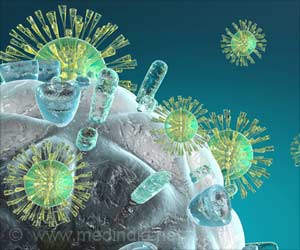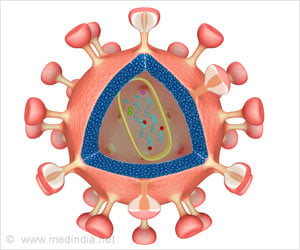

About AIDS/HIV - Prevention
Encyclopedia section of medindia explains in brief about the prevention for AIDS/HIV
Encyclopedia section of medindia explains in brief about the prevention for AIDS/HIV
The results continue the research led by ICREA researchers at IrsiCaixa, Javier Martínez-Picado, and Nuria Izquierdo-Useros, in collaboration with research groups from Heidelberg University, Germany, and the University of Lausanne, Switzerland. This team published a previous PLOS Biology paper in April 2012, in which they identified molecules, called gangliosides, located on the surface of HIV that are recognized by dendritic cells and are necessary for viral uptake. The new results now identify a molecule on the surface of dendritic cells that recognizes and binds the gangliosides and allows HIV to be taken up by dendritic cells and transmitted to its ultimate target: T lymphocytes.
"We have observed that the protein that acts as a lock for the entrance of HIV could also facilitate the entrance of other viruses," explains Nuria Izquierdo-Useros. "Therefore, our results could also help us understand how other infections might exploit this mechanism of dispersion."
The team then tried inhibiting the Siglec-1 protein. Doing so in the laboratory, they found that the dendritic cells lost their capacity to capture HIV and, importantly, they also lost their ability to transfer HIV to CD4 T lymphocytes. With all these data, the scientists concluded that Siglec-1 is the molecule responsible for HIV entrance into the dendritic cells, and could therefore become a new therapeutic target.
Advertisement

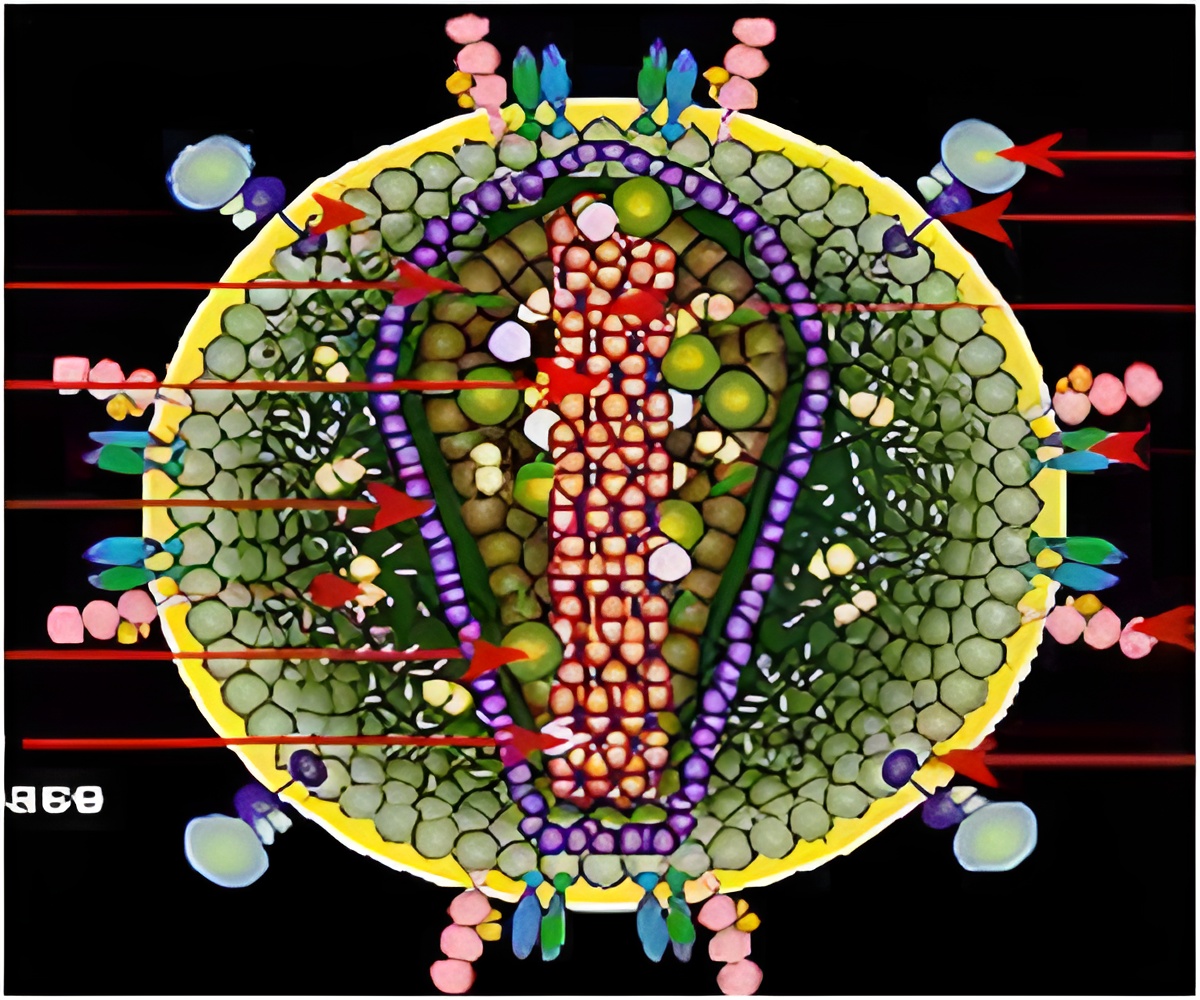
AIDS/HIV Related Cancer - Kaposi's sarcoma Lymphomahoma
AIDS defining malignancies are cancers that occur in patients with AIDS due to their low immunity.
AIDS defining malignancies are cancers that occur in patients with AIDS due to their low immunity.
Advertisement

Quiz on HIV / AIDS
Statistics tell us that the world HIV+ population has risen drastically from 8 million in 1990 to a whopping 33 million in 2007! Even more alarming is the fact that young people (below the age of 25) account for half of these infections! This is adequate proof for the lack of awareness among the general public even in these modern times. So take our quiz and brush up on the essential facts of HIV/AIDS.
There are 10 questions on HIV / AIDS in this quiz that will explore the depth of your knowledge and provide answers to the following:
Statistics tell us that the world HIV+ population has risen drastically from 8 million in 1990 to a whopping 33 million in 2007! Even more alarming is the fact that young people (below the age of 25) account for half of these infections! This is adequate proof for the lack of awareness among the general public even in these modern times. So take our quiz and brush up on the essential facts of HIV/AIDS.
There are 10 questions on HIV / AIDS in this quiz that will explore the depth of your knowledge and provide answers to the following:
- Immune control of HIV ()
- Symptoms of HIV/AIDS ()
- Cure for AIDS ()
- Acute HIV syndrome ()
- World AIDS day ()
- Western blot ()