MEDINDIA
 English
 हिन्दी
 Español
 français
 中文
中文
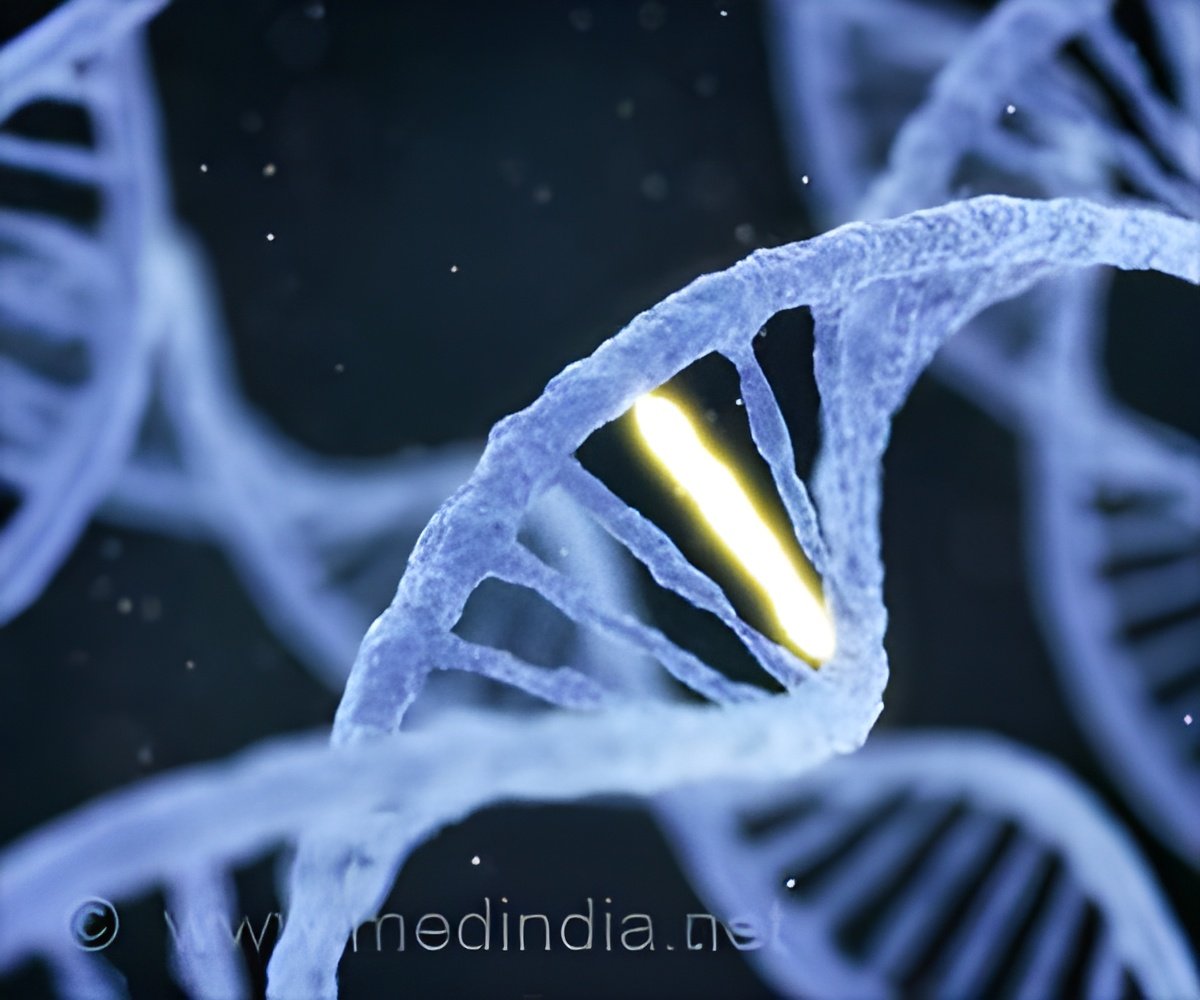
On prostate cancer cells, there are two genes ACSL3 and ACSL4 that become resistant to treatment. These genes function in an interconnected way.

Genetic Signature can Help Improve Survival in Prostate Cancer Patients
Genetic signature has made it possible to identify when the prostate cancer is going to spread to other parts.
Genetic signature has made it possible to identify when the prostate cancer is going to spread to other parts.
TOP INSIGHT

On prostate cancer cells, there are two genes ACSL3 and ACSL4 that become resistant to treatment. These genes function in an interconnected way. Drugs that inhibit these genes can be developed.
Read More..
The Centers for Disease Control (CDC) reported that prostate cancer is the second leading cause of cancer-related deaths among men in the US.
The primary therapy to treat prostate cancer is castration treatment that suppresses the male hormone which helps the cancer cells to grow. This treatment decreases the expression of ACSL3 gene.

New Drug Improves Survival in Acute Lymphoblastic Leukemia
The addition of blinatumomab to the standard chemotherapy of patients having the high-risk form of acute lymphoblastic leukemia shows improved survival.
The addition of blinatumomab to the standard chemotherapy of patients having the high-risk form of acute lymphoblastic leukemia shows improved survival.
The researchers found that when the expression of one gene becomes high, the expression of the other becomes low. The roles can also be reversed in some cases.

New Drug Can Improve Survival in Blood Cancer
Venetoclax, when added to the standard therapy of acute myeloid lymphoma and myelodysplastic syndrome show encouraging results.
Venetoclax, when added to the standard therapy of acute myeloid lymphoma and myelodysplastic syndrome show encouraging results.
The researchers studied the function of ACSL4 using cancer cell lines that were resistant to castration treatment. Using a mouse model, the researchers inhibited ACSL4 expression to see how the tumor would response.

Sleep Hormone Melatonin Use in Breast Cancer Treatment
The hormone melatonin can be used in the treatment of breast cancer as it promotes cell death and reduces tumor aggressiveness and metastasis.
The hormone melatonin can be used in the treatment of breast cancer as it promotes cell death and reduces tumor aggressiveness and metastasis.
Cai said, “Identifying the ACSL4 gene as a target for castration treatment-resistant prostate cancer is the first step. The next step is to find a drug that will inhibit the gene.”
Source-Medindia
 Email
Email




![Prostate Specific Antigen [PSA]](https://www.medindia.net/images/common/patientinfo/120_100/prostate-specific-antigen.jpg "Prostate Specific Antigen [PSA]")