MEDINDIA
 English
 हिन्दी
 Español
 français
 中文
中文
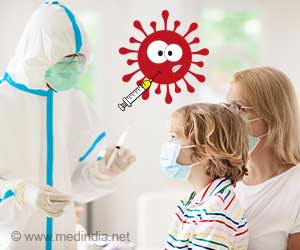
Headaches, altered mental status among hospitalized kids are found to be associated with the COVID-19 virus according to a new study.


Pfizer's COVID-19 Vaccine Approved for Use
Pfizer's COVID vax for kids belonging to the age group 5 to 11 years has been approved by Japan's Health Ministry.
Pfizer's COVID vax for kids belonging to the age group 5 to 11 years has been approved by Japan's Health Ministry.
TOP INSIGHT

Almost 44% of hospitalized children who tested or were presumed positive for SARS-CoV-2 had developed neurological symptoms, and these kids were more likely to require intensive care than their peers who didn’t experience such symptoms.
To answer this question, the researchers recruited 30 pediatric critical care centers around the world. Of 1,493 hospitalized children, 1,278, or 86%, were diagnosed with acute SARS-CoV-2; 215 children, or 14%, were diagnosed with MIS-C, or multisystem inflammatory syndrome in children, which typically appears several weeks after clearing the virus and is characterized by fever, inflammation and organ dysfunction.
The most common neurologic manifestations linked with acute COVID-19 were headache, acute encephalopathy, and seizures, while youths with MIS-C most often had a headache, acute encephalopathy, and dizziness. Rarer symptoms of both conditions included loss of smell, vision impairment, stroke, and psychosis.

New AI-based Test Uses X-rays to Detect COVID-19 Rapidly
New artificial intelligence (AI) based test uses X-rays to accurately diagnose COVID-19 in just a few minutes.
New artificial intelligence (AI) based test uses X-rays to accurately diagnose COVID-19 in just a few minutes.
The analysis showed that neurological manifestations were more common in kids with MIS-C compared to those with acute SARS-CoV-2, and children with MIS-C were more likely than those with acute illness to have two or more neurologic manifestations.

Cancer Treatment Stops Immune Response to COVID-19 Vaccination
Patients with cancer who receive chemotherapy and some targeted therapies, like CDK4/6 inhibitors and therapies targeted at B cells, which may mount an inadequate immune response to COVID-19 vaccination.
Patients with cancer who receive chemotherapy and some targeted therapies, like CDK4/6 inhibitors and therapies targeted at B cells, which may mount an inadequate immune response to COVID-19 vaccination.
“Another long-term goal of this study is to build a database that tracks neurological manifestations over time—not just for SARS-CoV-2, but for other types of infections as well,” she added. “Some countries have excellent databases that allow them to easily track and compare children who are hospitalized, but we don’t have such a resource in the U.S.”
 Email
Email