MEDINDIA
 English
 हिन्दी
 Español
 français
 中文
中文
HIV-1 is more virulent and powerful when transmitted through penile-vaginal intercourse than anal intercourse, revealed study.
About AIDS/HIV - Prevention And Transmission
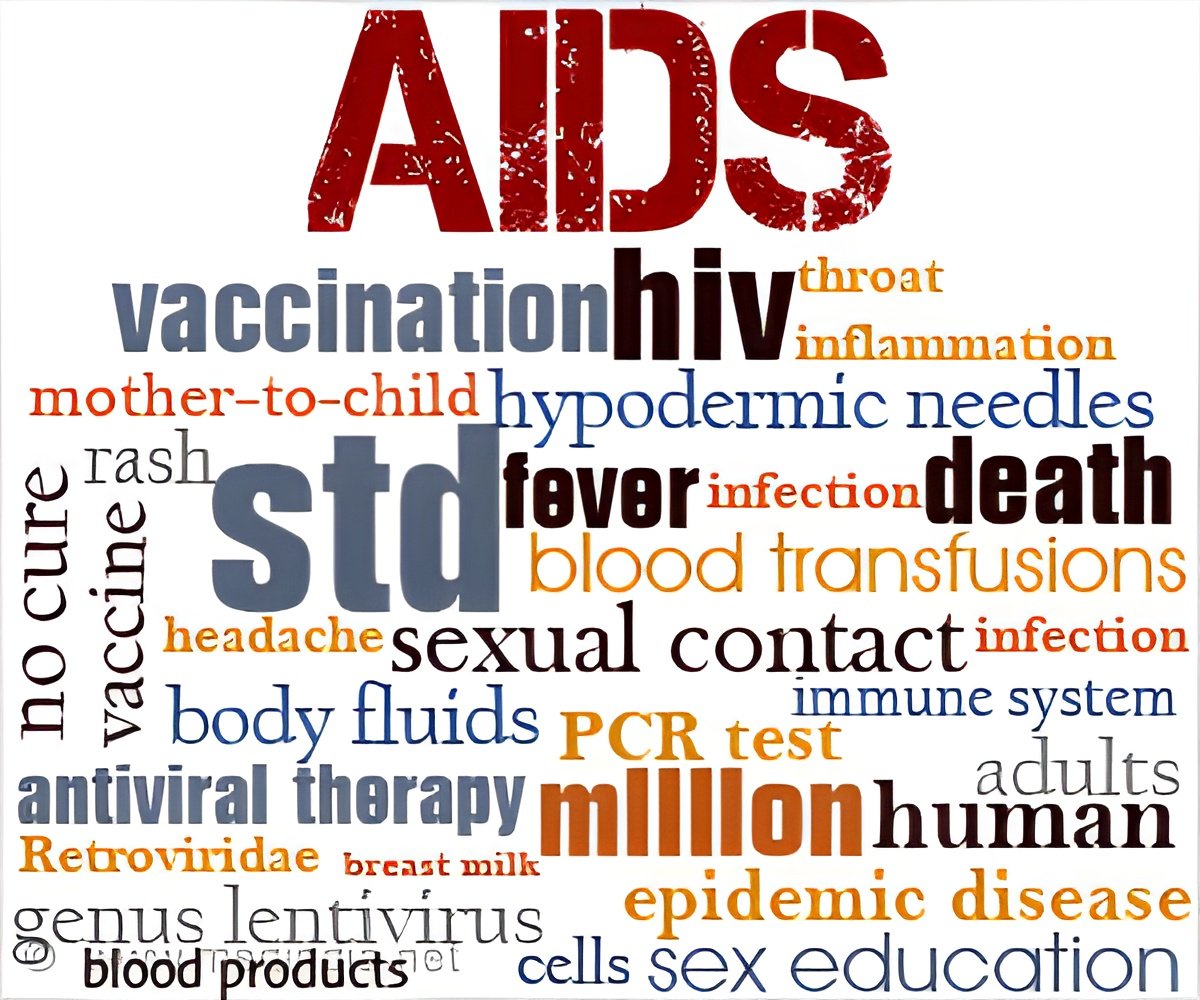
Encyclopedia section of medindia explains in brief about the prevention for AIDS/HIV
Encyclopedia section of medindia explains in brief about the prevention for AIDS/HIV
TOP INSIGHT

Transmission bottlenecks are expected to drive HIV-1 evolution and influence the design of prevention strategies.
The authors found that infections transmitted via penile-vaginal intercourse correlated with lower T cell counts than in the MSM risk group, suggesting greater selective pressure at transmission, and, in turn, resulting in more virulent strains than in transmission by MSM. However, the study was limited by its reliance on population level datasets that could not account for specific behaviors that increased or decreased risk of infection or stratify non-sexually transmitted infections in either risk group. Further studies are needed to analyze individual level transmission and infection data.
According to the authors, “The bottlenecks are affected by the mode of transmission. Because different risk groups tend to use different predominant modes of transmission, it is possible that the strains of HIV-1, directly affected by the bottlenecks, may have evolved differently in the different groups. These findings have implications for our understanding of HIV-1 pathogenesis, evolution, and epidemiology.”

Quiz on HIV Symptoms
Do you know that there are symptoms for each stage of HIV/AIDS? Learn more from our HIV Symptom Quiz but here’s a disclaimer – never go by symptoms alone. Symptoms only indicate the progression of the disease, while only a medical test can confirm it.
Do you know that there are symptoms for each stage of HIV/AIDS? Learn more from our HIV Symptom Quiz but here’s a disclaimer – never go by symptoms alone. Symptoms only indicate the progression of the disease, while only a medical test can confirm it.
Source-Eurekalert

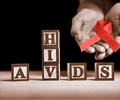
Facts on HIV / AIDS
Human Immunodeficiency Virus (HIV) usually targets the human immune system to weaken the body’s defenses against infections. Here are the top facts on HIV/AIDS.
Human Immunodeficiency Virus (HIV) usually targets the human immune system to weaken the body’s defenses against infections. Here are the top facts on HIV/AIDS.
 Email
Email