MEDINDIA
 English
 हिन्दी
 Español
 français
 中文
中文
Rh null, also called golden blood, is the world's rarest blood type. It can be given to almost anyone, but only a few people in the world have it.
Highlights:
Golden blood or Rh null blood is one of the rarest blood types in the world. It’s so rare that scientists once thought it might not even exist in real life. While most people have one of eight common blood types (A, B, AB, or O — each either Rh positive or Rh negative), those with Rh null have something extraordinary: none of the 61 Rh antigens found in the Rh blood group system (1✔ ✔Trusted Source- Rh-null blood lacks all 61 Rh antigens, making it extremely rare and medically valuable
- It can save lives as a universal donor within rare blood types
- Rh-null individuals can only receive blood from other Rh-null donors, making transfusions very difficult
Rare Blood Group: A Golden Blood
Go to source). This total absence makes Rh-null blood incredibly unique and extremely valuable.
Bombay Blood Group
Bombay blood group is a rare blood type in which the people have an H antigen deficiency. They can receive or donate blood only with other individuals with the same blood group.
Bombay blood group is a rare blood type in which the people have an H antigen deficiency. They can receive or donate blood only with other individuals with the same blood group.
TOP INSIGHT

Did You Know?
Golden blood: rare enough to be priceless, vital enough to save lives. #goldenblood #rhnull #universaldonor #lifesavingblood #rarestbloodtype #medindia
The Discovery
Rh null blood was first discovered in 1961 in an Aboriginal Australian woman. Scientists were shocked when her blood sample showed zero Rh antigens. Until then, it was believed that a person couldn’t survive without at least some Rh antigens. But this discovery proved otherwise. Since then, fewer than 50 people worldwide have been identified with Rh null blood.“This is gold blood,” said Dr. Thierry Peyrard, Director of the National Immunohematology Reference Laboratory in Paris, in an interview with Mosaic.
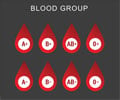
Blood Groups
The blood group of a person is determined by the presence or absence of certain inherited antigenic substances and certain acquired antibodies in blood.
The blood group of a person is determined by the presence or absence of certain inherited antigenic substances and certain acquired antibodies in blood.
A Universal Lifesaver
What makes golden blood so unique is that it can be given to almost anyone with rare Rh-related blood disorders. In that sense, it acts like a universal donor within this small group, which is why scientists and blood banks treat it like liquid gold.However, this life-saving potential comes with a rare risk. People with Rh null can only receive blood from another Rh null donor. This makes transfusions extremely difficult, often requiring international searches and frozen samples stored in specialized centers.

Golden Blood: Only 9 People In The World Have The Rarest Group
Otherwise called Rh-null, the golden blood lacks all 61 antigens in the Rh system making the blood group rarest of all.
Otherwise called Rh-null, the golden blood lacks all 61 antigens in the Rh system making the blood group rarest of all.
How It Happens
Your blood type depends on proteins called antigens found on your red blood cells. The Rh system is one of the most complex, with over 60 different antigens. Rh null happens when all of these antigens are missing, usually because of genetic mutations, especially involving the RHAG gene. This gene is essential for creating the Rh proteins that help keep red blood cells stable.Without these proteins, red cells become fragile and may break apart easily — a condition known as hemolysis. This can lead to chronic hemolytic anemia, which causes symptoms like fatigue, pale skin, or jaundice. Some people with Rh null may not show any symptoms at all, but the condition can still pose serious risks.
Heart Attack Risk Found to be Higher Among Non-O Blood Groups
People with non-O blood groups are at a higher risk of heart attack and cardiovascular mortality, reveals study.
People with non-O blood groups are at a higher risk of heart attack and cardiovascular mortality, reveals study.
Golden Blood in India
India’s first known case of Rh null blood was discovered in Gujarat on July 14, 2022. A 65-year-old man was undergoing tests for heart surgery when doctors noticed his rare blood type. The discovery sparked national attention and was added to the country’s blood registry to help in future emergencies.Real-Life Challenges
Because Rh null blood is so rare, it’s not available in regular blood banks. Instead, it’s stored in international centers and tracked carefully. Some Rh null individuals donate regularly to ensure that small reserves are available, especially in urgent cases.
For example, a recent case in Indonesia involved a child with Rh null who urgently needed a transfusion. It triggered a nationwide search and highlighted just how crucial rare blood donations are.
Why It Matters
Rh null blood might be incredibly rare, but it saves lives. It also gives scientists valuable insights into how red blood cells work and what happens when key proteins are missing.
People with golden blood need to take special precautions, like wearing medical alert bracelets, informing doctors before any surgeries, and staying connected to global donor networks. For them, every drop truly counts.
Reference:
- Rare Blood Group: A Golden Blood - (https://ajner.com/HTMLPaper.aspx?Journal=Asian%20Journal%20of%20Nursing%20Education%20and%20Research;PID=2023-13-3-13)
Source-Medindia
 Email
Email