MEDINDIA
 English
 हिन्दी
 Español
 français
 中文
中文
World Sickle Cell Anemia Day highlights the urgent need for awareness, support, and effective community-based solutions for those living with sickle cell disease.
Highlights:
Observed annually on June 19, World Sickle Cell Anemia Day draws global attention to an inherited blood disorder. Sickle cell anemia is a condition that alters the shape and function of red blood cells. Instead of smooth, round cells that flow freely through blood vessels, those with this disease have cells that become stiff, sticky, and C-shaped—often referred to as “sickle” shaped. These misshapen cells tend to die early, leading to a chronic shortage of healthy red blood cells in the body (1✔ ✔Trusted Source- Sickle cell anemia causes red blood cells to become hard, sticky, and C-shaped
- Tribal communities in India face higher risks due to low awareness and healthcare access
- Awareness campaigns like Shine the Light focus on empowering patients and families
World Sickle Cell Day
Go to source). The need for global action is emphasized in this year’s theme: “Global Action, Local Impact: Empowering Communities for Effective Self-Advocacy.” The campaign calls for education and empowerment at the community level, encouraging those most affected to play an active role in their health journey.
Millions of people across the globe are affected by sickle cell anemia. The disease is particularly prevalent in regions such as Africa, South America, the Caribbean, Central America, India, Saudi Arabia, and Mediterranean countries including Greece, Turkey, and Italy. Despite its wide reach, sickle cell anemia remains a major yet under-addressed public health issue.

Quiz on Sickle Cell Anemia
Sickle cell anemia is a genetic disorder that affects blood and necessitates frequent blood transfusions in certain cases. Test your knowledge on this condition by taking this quiz. ...
Sickle cell anemia is a genetic disorder that affects blood and necessitates frequent blood transfusions in certain cases. Test your knowledge on this condition by taking this quiz. ...
TOP INSIGHT

Did You Know?
In some tribal regions of India, up to 1 in 5 people carry the sickle cell trait, yet many remain unaware until a serious illness strikes. #medindia #sicklecell #geneticdisorder
Managing Life with Sickle Cell Disease
There is no universal cure for sickle cell disease, though bone marrow transplants have shown promising outcomes in select cases. Much of the current approach revolves around symptom management, preventing complications, and maintaining a better quality of life for patients.This includes routine health checkups, vaccinations, and measures like staying hydrated and avoiding extreme temperatures. Pain management, folic acid supplements to boost red blood cell production, antibiotics to ward off infections, and in severe cases, blood transfusions, are all part of the treatment plan. These steps, while not curative, play a vital role in day-to-day disease control.

World Sickle Cell Day - Hope Through Progress: Advancing Sickle Cell Care Globally
World Sickle Cell Day raises awareness about Sickle Cell Disease, highlighting the importance of research, equitable healthcare, and global solidarity for those affected.
World Sickle Cell Day raises awareness about Sickle Cell Disease, highlighting the importance of research, equitable healthcare, and global solidarity for those affected.
Tribal Communities in India at Higher Risk
India's tribal populations are among those most vulnerable to sickle cell anemia. In states like Maharashtra, Madhya Pradesh, Chhattisgarh, Odisha, Jharkhand, and Gujarat, the prevalence of the sickle cell trait is alarmingly high. Unfortunately, the combination of low awareness, limited healthcare access, and persistent social stigma has led to delayed diagnoses and ineffective disease management.Many tribal families are unaware of their carrier status until a child becomes seriously ill. This highlights the urgent need for targeted education, widespread screening programs, and timely medical intervention in these communities. Strengthening healthcare outreach in tribal areas could drastically improve outcomes for affected individuals.
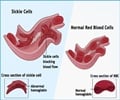
Sickle Cell Anemia–Causes-Symptoms-Diagnosis-Treatment–Prognosis
Sickle cell anemia (SCA) is a genetic blood disorder caused by abnormal inherited hemoglobin. Sickle cell anemia is the most common form of sickle cell disease.
Sickle cell anemia (SCA) is a genetic blood disorder caused by abnormal inherited hemoglobin. Sickle cell anemia is the most common form of sickle cell disease.
Celebrating Strength Through Public Campaigns
“Shine the Light” is a national campaign that marks World Sickle Cell Day each year, aiming to increase public understanding and celebrate the resilience of those living with this challenging condition. It stands as a reminder that while sickle cell anemia remains a formidable global health concern, collaborative action—rooted in awareness, community empowerment, and compassionate care can lead the way to meaningful change.World Sickle Cell Anemia Day is more than a symbolic gesture, it is a global reminder of the daily battles faced by those with this inherited blood disorder.
From the urgent need for awareness in tribal India to the emphasis on local empowerment through initiatives like Shine the Light, the fight against sickle cell anemia continues on all fronts.
While there is no universal cure, managing the disease through education, healthcare access, and community advocacy brings hope and strength to millions worldwide.
Reference:
- World Sickle Cell Day - (https://www.sicklecelldisease.org/get-involved/events/awareness-month-and-world-sickle-day/)
Source-Medindia
Mission to Eradicate Sickle Cell Anemia in India: Close to PM Modi's Heart
A heartfelt mission to eliminate Sickle Cell Anemia in India, closely championed by PM Modi, reflecting a dedicated commitment to public health and welfare.
A heartfelt mission to eliminate Sickle Cell Anemia in India, closely championed by PM Modi, reflecting a dedicated commitment to public health and welfare.
 Email
Email