MEDINDIA
 English
 हिन्दी
 Español
 français
 中文
中文

Researchers in China have identified 20 new bat viruses, two related to deadly Nipah and Hendra strains, raising concern about future outbreaks.
Highlights:
A new international study has identified 20 previously unknown viruses in bats in China’s Yunnan province, including two that resemble the deadly Nipah and Hendra viruses known to infect humans and livestock (1✔ ✔Trusted Source- 20 previously unknown viruses, including henipaviruses, were discovered in bat kidneys in China
- Two of them share up to 71% similarity with deadly Nipah and Hendra viruses
- Viruses found near orchards raise concern over fruit contamination and human spillover
New viruses discovered in bats in China could be the next pandemic threat
Go to source). The findings, published in PLOS Pathogens, raise red flags among scientists.
“These viruses are particularly concerning because they were predominantly found in bat kidneys, a site linked to urine production, raising alarm about potential human exposure via contaminated fruits or water,” said molecular virologist Prof. Vinod Balasubramaniam of Monash University.
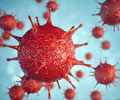
Nipah Virus (NiV) | Hendra Virus - Causes, Symptoms, Consequences, Diagnosis, Treatment and Prevention
Nipah Virus (NiV) or Hendra virus is a deadly virus that spreads via contact with the saliva, urine, or excreta of fruit bats or pigs. Nipah outbreak is an emerging zoonosis which had resulted in fatal deaths in Kerala, India.
Nipah Virus (NiV) or Hendra virus is a deadly virus that spreads via contact with the saliva, urine, or excreta of fruit bats or pigs. Nipah outbreak is an emerging zoonosis which had resulted in fatal deaths in Kerala, India.
TOP INSIGHT

Did You Know?
Bats carry more than just myths - scientists warn their viruses may be just one step away from spilling into our food and lives.
#zoonoticrisk #nipahvirus #batviruses #pandemicthreat #hendravirus #medindia
What Did the Study Find?
Researchers analyzed kidney tissue from 142 bats across 10 species, collected between 2017 and 2020. Genetic sequencing revealed:- 20 new viruses
- 2 henipaviruses closely related to Nipah and Hendra
- A new parasite (Klossiella yunnanensis) and two new bacterial species (including Flavobacterium yunnanensis)
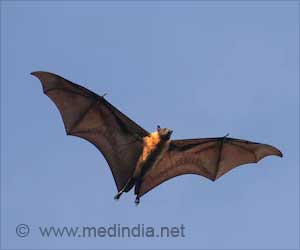
Understanding Nipah Virus: Droplet Transmission and Its Lethality at 40-70%
Nipah is a zoonotic virus, meaning it can be transmitted from animals to humans. Fruit bats serve as the natural reservoirs for Nipah virus.
Nipah is a zoonotic virus, meaning it can be transmitted from animals to humans. Fruit bats serve as the natural reservoirs for Nipah virus.
Why It Matters
Henipaviruses like Nipah and Hendra are notorious for causing fatal respiratory and brain infections in humans. Nipah virus, with fatality rates as high as 75%, is known to spread from bats to humans via contaminated fruit or contact with infected animals.With bats found roosting near orchards, scientists warn that this creates direct pathways for viral contamination of food and water.
Bats Harbour Viruses Which can Transmit to Humans
Bats in Switzerland are harbouring viruses from 39 different viral families and some have the potential to jump to other animals, including humans and cause disease, researchers have found.
Bats in Switzerland are harbouring viruses from 39 different viral families and some have the potential to jump to other animals, including humans and cause disease, researchers have found.
Is Another Spillover Event Coming?
While the study does not confirm a new pandemic, researchers stress the need for:- Greater surveillance of wildlife viruses
- Public health education in vulnerable areas
- Stronger food safety practices, such as washing fruits and boiling water
- Ongoing lab testing of bat-borne viruses to assess infection risks
“This is a wake-up call. Shared food and water sources could become bridges for deadly viruses.”
Nipah Virus Vaccine Developed
A new vaccine that could protect against the deadly Nipah virus in just three days has been developed scientists. Nipah is a zoonotic virus.
A new vaccine that could protect against the deadly Nipah virus in just three days has been developed scientists. Nipah is a zoonotic virus.
Monitor the Wild to Protect the World
This discovery underscores the need to constantly monitor wildlife pathogens, especially in areas where human activity and natural habitats intersect. Vigilance, surveillance, and early detection remain our best tools to prevent future outbreaks.Reference:
- New viruses discovered in bats in China could be the next pandemic threat - (https://www.sciencedaily.com/releases/2025/06/250625075020.htm)
Source-Medindia
 Email
Email