MEDINDIA
 English
 हिन्दी
 Español
 français
 中文
中文

Limiting sugar intake from conception to early childhood offers long-term protection against heart attack, stroke, and heart failure.
Highlights:
Restricted sugar consumption during early life is associated with a lower likelihood of developing several cardiovascular conditions in adulthood, including heart attack, heart failure, and stroke, according to The BMJ, which used data from the end of sugar rationing in the United Kingdom in 1953 (1✔ ✔Trusted Source- Early-life sugar restriction offers long-term heart protection
- Exposure to sugar rationing from conception reduces risk of heart diseases
- Policies limiting sugar intake during infancy can delay cardiovascular problems by more than two years
Exposure to sugar rationing in first 1000 days after conception and long term cardiovascular outcomes: natural experiment study
Go to source). The greatest benefit in reducing heart-related risks and the most extended delay in disease onset was observed among individuals whose sugar intake was restricted from conception (“in utero”) to about 2 years of age.
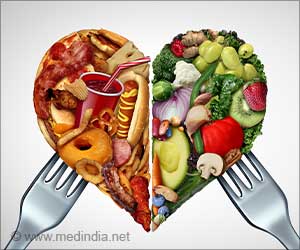
Heart Healthy Diet: Foods That Can Save Your Heart
What is the healthiest diet for the heart? fruits and vegetables,low-fat dairy products,poultry and fish, nuts, legumes, and non-tropical vegetable oils.
What is the healthiest diet for the heart? fruits and vegetables,low-fat dairy products,poultry and fish, nuts, legumes, and non-tropical vegetable oils.
TOP INSIGHT

Did You Know?
Babies whose sugar intake was limited from conception to age two grew up with lowerrisk of stroke and heart disease later in life .
#hearthealth #sugarintake #medindia
Early Nutrition and Lifelong Heart Health
Evidence indicates that the first 1,000 days of life, from conception to roughly 2 years of age, form a critical window during which diet can shape long-term health. Leading health organizations recommend avoiding sugary drinks and highly processed foods (which often contain large amounts of sugar) when introducing babies and toddlers to solid foods.With this understanding, the investigators sought to determine whether restricting sugar consumption during this vital period is associated with a reduced risk of cardiovascular conditions later in life.

Know These 8 Things to Boost Your Heart Health
Maintaining a healthy balance between food, exercise and sleep can boost your heart health. Here are 8 simple things you need to know to keep your heart healthy.
Maintaining a healthy balance between food, exercise and sleep can boost your heart health. Here are 8 simple things you need to know to keep your heart healthy.
A Historical Insight: Lessons from Sugar Rationing
Using the conclusion of sugar rationing in the United Kingdom in September 1953 as a natural experiment, the team analyzed data from 63,433 UK Biobank participants (average age 55 years) born between October 1951 and March 1956 who had no previous history of heart disease.Among these, 40,063 individuals were exposed to sugar rationing, while 23,370 were not.
Linked health records were utilized to monitor rates of cardiovascular disease (CVD), heart attack, heart failure, irregular heart rhythm (atrial fibrillation), stroke, and deaths caused by cardiovascular conditions, while adjusting for various genetic, environmental, and lifestyle factors.
What Happened When Sugar Was Restricted Early
An external comparison group of adults born outside the United Kingdom who had not experienced sugar rationing or similar policy restrictions around 1953 was also examined to strengthen the reliability of the results.The findings revealed that longer exposure to sugar rationing corresponded with progressively lower cardiovascular risks in adulthood, partly due to reduced risks of diabetes and high blood pressure.

Sugar Spike After Heart Attack: A Hidden Threat to Recovery
Sudden blood sugar spikes after a heart attack can worsen heart recovery, with glucose delta emerging as a potential warning sign.
Sudden blood sugar spikes after a heart attack can worsen heart recovery, with glucose delta emerging as a potential warning sign.
Fewer Heart Problems and Later Disease Onset
Compared with those who were never exposed to rationing, individuals exposed to it from conception through early childhood (up to two years of age) showed a 20% lower risk of cardiovascular disease, along with reduced risks of heart attack (25%), heart failure (26%), atrial fibrillation (24%), stroke (31%), and cardiovascular death (27%).Those who experienced sugar restrictions from conception and during early life also demonstrated longer delays, up to two and a half years in the onset age of cardiovascular conditions compared to individuals who were not exposed to rationing.
What This Means for Today’s Diet and Policy
Sugar rationing was additionally linked to modest yet significant improvements in heart function among those affected, compared with participants who were never subject to rationing.The authors noted that during the rationing era, daily sugar allowances, including those for pregnant women and children, were restricted to under 40 grams per day, and no added sugars were permitted for infants under two years old. These measures align with current dietary recommendations promoting limited sugar consumption during early life.
The Takeaway: How Early Choices Shape Heart Health
While this was an observational study and cannot definitively establish cause and effect, the authors acknowledged some limitations such as the absence of detailed individual dietary data and possible recall bias that might have influenced outcomes.Nevertheless, they emphasized that the large-scale and well-structured design allowed for separate evaluations of various exposure periods and a deeper exploration of the potential mechanisms linking early-life sugar restriction and heart health.
In conclusion, the authors stated, “Our findings highlight the cardiac advantages of early-life policies emphasizing limited sugar intake. Future work should explore individual dietary exposures and consider how genetic, environmental, and lifestyle elements interact to support personalized prevention strategies.”
Reference:
- Exposure to sugar rationing in first 1000 days after conception and long term cardiovascular outcomes: natural experiment study - (https://www.bmj.com/content/391/bmj-2024-083890)
Source-Medindia
 Email
Email