MEDINDIA
 English
 हिन्दी
 Español
 français
 中文
中文

Adults claiming past-life memories show a high rate of mental disorder symptoms, with religiosity and spirituality acting as protective influences.
Highlights:
A considerable proportion of adults who report memories of previous lives experience symptoms linked to mental health conditions, though religiosity and spirituality appear to offer some level of emotional protection (1✔ ✔Trusted Source- Adults with past-life memories often report symptoms linked to mental health disorders
- Spirituality and religious belief may reduce the impact of psychological distress
- Childhood phobias and emotional patterns are commonly connected to these memories
Who Does Report Past-Life Memories? Claimers' Profile, Religiosity/Spirituality and Impact on Happiness and Mental Health
Go to source). Spiritual and religious ideologies across diverse cultures commonly include belief in a realm beyond physical existence and life beyond death. These beliefs are widespread globally, with varying levels of acceptance, ranging from 38 percent of the population in Sweden to 85 percent in Indonesia.
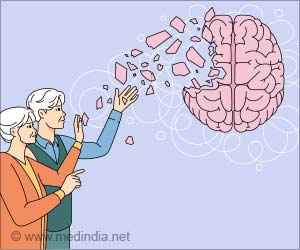
Can Your Past Envision Your Present?
Past feelings or memories of life may intercede with the present feelings of satisfaction in one’s life.
Past feelings or memories of life may intercede with the present feelings of satisfaction in one’s life.
TOP INSIGHT

Did You Know?
Over 46 percent of adults claiming past-life memories experience mental health symptoms, yet those with strong spiritual beliefs report higher happiness levels. #pastlifememories #mentalhealth #medindia
Widespread Global Belief in Life Beyond Death
A large survey conducted across 22 countries with nationally representative samples found no nation where the majority rejected the idea of life after death. Most participants either affirmed belief or expressed uncertainty about the possibility of an afterlife.Although much research has focused on children who report past-life memories, information on adult claimers remains limited, particularly regarding how such experiences relate to mental health, personal well-being, and spiritual orientation. To address this, Sandra Maciel de Carvalho and her team assessed the demographic profile and psychological background of adults reporting such memories.
How Does the Brain Remember Special Occasions?
Strong neural activity in the hippocampus associated with repeated words, but not novel words, was deemed evidence of activity related to episodic memory.
Strong neural activity in the hippocampus associated with repeated words, but not novel words, was deemed evidence of activity related to episodic memory.
Exploring Memory Claimers in Brazil
With assistance from the BIAL Foundation, a team from the Federal University of Juiz de Fora in Brazil and the University of Virginia in the United States conducted the first online survey among 402 Brazilian adults who claimed to recall past lives. In Brazil, 66 percent of people believe life continues after death, and 33 percent believe in reincarnation.Participants were mostly women (79%), had higher education (68%), and identified as Spiritists (54.5%). The average age was 41.6 years, with 91% considering themselves very or moderately spiritual.
The memories appeared spontaneously in 82% of cases, typically around the age of 19.9. Many reported associated features such as birthmarks or defects (54%), strong unusual attractions (30%), childhood phobias (71%), and lasting phobias (71%).
Psychological Patterns and Spiritual Correlations
The findings were published in The International Journal for the Psychology of Religion in the article titled "Who Does Report Past-Life Memories? Claimers' Profile, Religiosity/Spirituality and Impact on Happiness and Mental Health". The reported features were found to be similar to those described by children, although with a notable dominance of female respondents in the adult sample.Early emotional patterns, such as childhood phobias and attractions, were linked to decreased happiness and increased signs of psychological issues in 46% of the participants. Phobias also correlated with symptoms of post-traumatic stress disorder in 36% of cases.
However, those identifying as religious or spiritual tended to report greater happiness and fewer mental health symptoms, implying that spirituality may serve as a coping mechanism.
Emotional Past Recollected With Better Clarity: Study
The more something impacts us, the more likely we are to remember and recollect it later on.
The more something impacts us, the more likely we are to remember and recollect it later on.
Need for Further Mental Health Consideration
Sandra Maciel de Carvalho emphasized that such memory claims among adults might be more common than previously assumed and can be connected to notable psychological suffering. She noted the importance of deeper investigation into their frequency, emotional effects, and potential strategies for clinical support.To conclude, the analysis of Brazilian adults claiming past-life memories highlights not only their distinct psychological and spiritual profiles but also the potential mental health challenges they face. While many report emotional distress, those with strong religious or spiritual beliefs seem to experience greater emotional balance, pointing to a complex interplay between belief, memory, and mental well-being.
Reference:
- Who Does Report Past-Life Memories? Claimers' Profile, Religiosity/Spirituality and Impact on Happiness and Mental Health - (https://www.tandfonline.com/doi/full/10.1080/10508619.2025.2521573)
Source-Medindia
 Email
Email