MEDINDIA
 English
 हिन्दी
 Español
 français
 中文
中文
Maternal inflammation during pregnancy influences fetal immune development and heightens the child’s risk of allergic conditions.
Highlights:
Excessive allergic responses in children can originate from inflammation in the placenta during pregnancy, which alters the developing fetal immune system (1✔ ✔Trusted Source- Placental inflammation enhances fetal immune memory leading to heightened allergies
- Excessive T cell survival causes strong allergic responses in children
- Discovery offers a new direction for early prediction of pediatric asthma
Placental inflammation-driven T cell memory formation promotes allergic responses in offspring via endogenous glucocorticoids
Go to source). This groundbreaking discovery opens new possibilities for the early diagnosis and prevention of allergic diseases such as pediatric asthma.
KAIST announced that a team led by Professor Heung-kyu Lee from the Department of Biological Sciences found that placental inflammation during pregnancy disrupts the fetus’s stress regulation mechanisms.
This leads to an increased survival rate and enhanced memory differentiation of T cells, which play a critical role in the adaptive immune system. Consequently, this results in heightened allergic reactions in the child after birth.

Childhood Allergies - Types, Risk factors, Symptoms, Diagnosis, Treatment and Prevention
Childhood allergies are on the rise, may be potentially debilitating, may last lifelong, and require treatment under an experienced allergy specialist.
Childhood allergies are on the rise, may be potentially debilitating, may last lifelong, and require treatment under an experienced allergy specialist.
TOP INSIGHT

Did You Know?
When pregnant individuals were exposed to inflammation, their offspring showed intense allergic reactions to dust mite allergens due to placental damage. #allergies #placentalhealth #medindia
Placental Inflammation Alters Immune Memory
Using a mouse model, the team induced excessive inflammation by injecting lipopolysaccharide, a toxin that strongly activates the immune system. This procedure caused inflammation in both the mother’s body and the placenta.Inflamed placental tissue showed elevated production of Tumor Necrosis Factor-alpha, a signaling molecule that activated neutrophils, immune cells that caused inflammatory damage to the placenta.

How to Manage Childhood Allergies?
Allergies in children: Most common allergen in India are milk, egg and peanuts. Having a first-aid antiallergic kit at home can help manage allergies in children.
Allergies in children: Most common allergen in India are milk, egg and peanuts. Having a first-aid antiallergic kit at home can help manage allergies in children.
Immune Memory Leads to Allergic Reactions
This placental damage impacted how the offspring handled stress after birth, triggering elevated secretion of glucocorticoids, a key stress hormone. As a result, T cells in the offspring not only survived longer but also showed enhanced memory capabilities.These memory T cells led to intensified allergic responses upon repeated exposure to antigens after birth. For instance, when the mice encountered house dust mite allergens, their airways responded with a strong eosinophilic inflammatory response and increased activation of immune cells associated with allergic reactions and asthma.

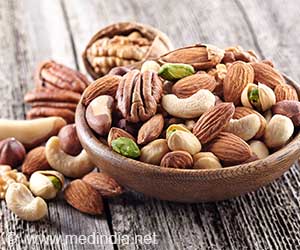
Feeding Your Infant Peanuts, Eggs Early may Reduce Risk of Food Allergies
Food allergy prevention: Fear of peanut allergy or egg allergy? Relax, introducing allergenic foods such as peanuts and eggs early to infants can prevent them from developing a food allergy, reveals a new study.
Food allergy prevention: Fear of peanut allergy or egg allergy? Relax, introducing allergenic foods such as peanuts and eggs early to infants can prevent them from developing a food allergy, reveals a new study.
Fetal Immune Programming Begins in the Placenta
This study is the first to demonstrate a link between maternal inflammation during pregnancy and fetal immune programming via the placenta. The findings provide a foundation for developing biomarkers to predict and potentially prevent pediatric allergic conditions.Dr. Myeong Seung Kwon from the KAIST Graduate School of Medical Science is the first author of this work. He is currently serving as a clinical fellow in gynecological oncology at Konyang University Hospital’s Department of Obstetrics and Gynecology. The findings were published in Mucosal Immunology on July 1st under the title “Placental inflammation-driven T cell memory formation promotes allergic responses in offspring via endogenous glucocorticoids.”
To sum up, the discovery that placental inflammation during pregnancy can influence fetal immune memory offers a crucial step toward understanding the roots of allergic diseases in children. This insight not only deepens our understanding of early immune development but also holds potential for developing preventative strategies against pediatric asthma and other allergic conditions.
Reference:
- Placental inflammation-driven T cell memory formation promotes allergic responses in offspring via endogenous glucocorticoids - (https://www.mucosalimmunology.org/article/S1933-0219(25)00066-2/fulltext)
Source-Medindia

Test Your Knowledge on Food Allergy
Food allergy is an abnormal response of the body to certain kinds of food. The signs and symptoms may be mild to severe. Symptoms such as flu or common cold often seems trivial or go unnoticed. But, food allergy is not to be confused with food ...
Food allergy is an abnormal response of the body to certain kinds of food. The signs and symptoms may be mild to severe. Symptoms such as flu or common cold often seems trivial or go unnoticed. But, food allergy is not to be confused with food ...
 Email
Email