MEDINDIA
 English
 हिन्दी
 Español
 français
 中文
中文

COVID-19 infection reduces the diversity of bacterial species in the gut. This can further endanger the patient's health.
Highlights:
A person’s lungs are known to be affected by COVID-19. It can have long-lasting consequences on the brain. Currently, doctors believe that COVID-19 can impair your health in yet another way- through your stomach.
According to a recent study published in the journal Nature Communications, a COVID-19 infection can lower the diversity of bacterial species in the gut, allowing hazardous antibiotic-resistant bacteria to flourish. - An unhealthy gut increases an individual’s susceptibility to various diseases
- The gut microbiome diversity is disrupted by the COVID-19 virus, increasing the risk of other infections

Gut Microbiome Changes With Multiple Sclerosis Treatment
The gut bacteria differ in multiple sclerosis patients and healthy people. It also varies in patients receiving different treatments.
The gut bacteria differ in multiple sclerosis patients and healthy people. It also varies in patients receiving different treatments.
TOP INSIGHT

Infection with COVID-19 decreases the variety of bacterial species in the stomach, putting patients at even greater risk.
A person who has an unhealthy gut is more susceptible to C. difficile, a dangerous bacterium that can cause life-threatening diarrhea. Additionally, it may result in other health issues like bloating and acid reflux.
According to experts, the study is the first to demonstrate that COVID-19 alone harms the gut flora. Doctors had previously suspected that the gut bacteria had been harmed by the use of antibiotics to treat COVID-19.

Yogurt Protects Your Gut Microbiome Against Antibiotic-Induced Diarrhea
Better understanding of how probiotics work in maintaining a healthy microbiome can help people avoid debilitating side effects from antibiotics.
Better understanding of how probiotics work in maintaining a healthy microbiome can help people avoid debilitating side effects from antibiotics.
Populations of several potentially dangerous bacteria grew concurrently. 20% of patients had some antibiotic-resistant germs that had entered their circulation.
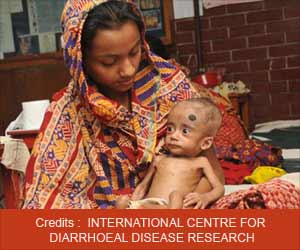
New Therapeutic Food Helps Repair Gut Microbiome of Malnourished Children
New therapeutic food has been developed that repairs the gut microbiome in malnourished children and helps in healthy bone and brain development. It also improves immune and metabolic functions.
New therapeutic food has been developed that repairs the gut microbiome in malnourished children and helps in healthy bone and brain development. It also improves immune and metabolic functions.
Source-Medindia

Is Obesity Caused by Alterations in Gut Microbiome?
Alterations in the gut microbiome could lead to obesity. This can be caused by disruption of the biological clock, recurrent weight gain or enhanced susceptibility to infections. Better understanding of the link between the gut microbiome and obesity can lead to the development of new therapies.
Alterations in the gut microbiome could lead to obesity. This can be caused by disruption of the biological clock, recurrent weight gain or enhanced susceptibility to infections. Better understanding of the link between the gut microbiome and obesity can lead to the development of new therapies.
 Email
Email