MEDINDIA
 English
 हिन्दी
 Español
 français
 中文
中文

PPARγ-targeting diabetes drug pioglitazone shows promise in reducing prostate cancer relapse risk, reveals new research.
Highlights:
A commonly prescribed type 2 diabetes drug may hold unexpected promise in the fight against prostate cancer. In a study led by researchers from Umeå University in Sweden, scientists found that pioglitazone, a medication that targets the PPARγ protein, could significantly reduce the risk of prostate cancer relapse.
This new finding stems from combined lab studies and a long-term clinical follow-up of diabetic men with prostate cancer. The research not only highlights a potential breakthrough for cancer patients with diabetes, but it could open new doors for treating prostate cancer patients without diabetes as well. - A type 2 diabetes drug, pioglitazone, may reduce the risk of prostate cancer relapse by targeting the PPARγ protein
- Prostate cancer patients with diabetes on PPARγ drugs had no relapse during follow-up
- Pioglitazone reprograms cancer metabolism and inhibits growth, showing promise for non-diabetic prostate cancer trials
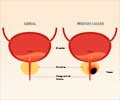
Prostate Cancer | Cancer of Prostate - Incidence, Prevention, Causes, Symptoms & Treatment
This cancer affects men over the age of 50 years and screening with rectal examination and PSA can help both in early detection and effective treatment
This cancer affects men over the age of 50 years and screening with rectal examination and PSA can help both in early detection and effective treatment
TOP INSIGHT

One drug. Two diseases. A type 2 diabetes drug shows surprising promise in preventing prostate cancer relapse. #Pioglitazone #CancerPrevention #DiabetesDrug
From Blood Sugar to Tumor Suppression: Pioglitazone’s Double Role
Pioglitazone is widely used to help manage blood sugar levels in people with type 2 diabetes. It belongs to a group of medications called thiazolidinediones, which function by activating a protein known as PPARγ, improving insulin sensitivity and metabolic regulation. But recent research from Umeå University has uncovered a surprising and promising new role for this drug - slowing down the progression of prostate cancer (1✔ ✔Trusted SourceThe anti-diabetic PPARγ agonist Pioglitazone inhibits cell proliferation and induces metabolic reprogramming in prostate cancer
Go to source).
Researchers observed that diabetic men with prostate cancer who took pioglitazone had a significantly reduced risk of relapse. This discovery is groundbreaking as it highlights the drug’s role to influence cancer progression beyond its traditional metabolic targets.
The Role of PPARγ in Reprogramming Cancer Cells
PPARγ, peroxisome proliferator-activated receptor gamma, is a protein that plays a vital role in regulating metabolism and inflammation. Pioglitazone activates this receptor, which helps control how cells use energy and respond to insulin.In laboratory studies, researchers found that when prostate cancer cells were treated with pioglitazone, their growth slowed significantly. The drug appeared to “reprogram” the cancer cells’ metabolism, making them less aggressive and inhibiting their growth. Additionally, pioglitazone’s activation of PPARγ also modulates inflammatory signals, which are known contributors to cancer progression.
These lab findings helped explain why patients taking pioglitazone showed fewer relapses, providing a biological basis for the drug’s unexpected anticancer effects.
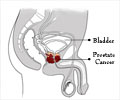
Medical Management of Prostate Cancer
Prostate cancer is the second most common cancer in men after skin cancer and it is the sixth leading cause of death in men worldwide.
Prostate cancer is the second most common cancer in men after skin cancer and it is the sixth leading cause of death in men worldwide.
Lukas Kenner, one of the lead authors of the study, commended this as a momentous discovery. He said, "For the first time, we have clinical observations showing that prostate cancer patients with diabetes who received drugs targeting the protein remained relapse-free during the period we followed them."
Prostate Cancer: Treatment Options - Surgery, Radiation Therapy, Hormone Therapy
Treatment options of prostate cancer includes waiting, surgery, radiation, hormone therapy, chemotherapy, cryosurgery or biologic therapy.
Treatment options of prostate cancer includes waiting, surgery, radiation, hormone therapy, chemotherapy, cryosurgery or biologic therapy.
While these results are encouraging, researchers emphasize the need for further clinical trials to validate pioglitazone’s efficacy in prostate cancer treatment - particularly in patients without diabetes.
Still, this research opens an exciting new avenue in prostate cancer therapy - offering hope that a drug originally developed for diabetes might soon help save lives in a very different way.
Reference:
- The anti-diabetic PPARγ agonist Pioglitazone inhibits cell proliferation and induces metabolic reprogramming in prostate cancer - (https://molecular-cancer.biomedcentral.com/articles/10.1186/s12943-025-02320-y)
Source-Medindia
 Email
Email