MEDINDIA
 English
 हिन्दी
 Español
 français
 中文
中文
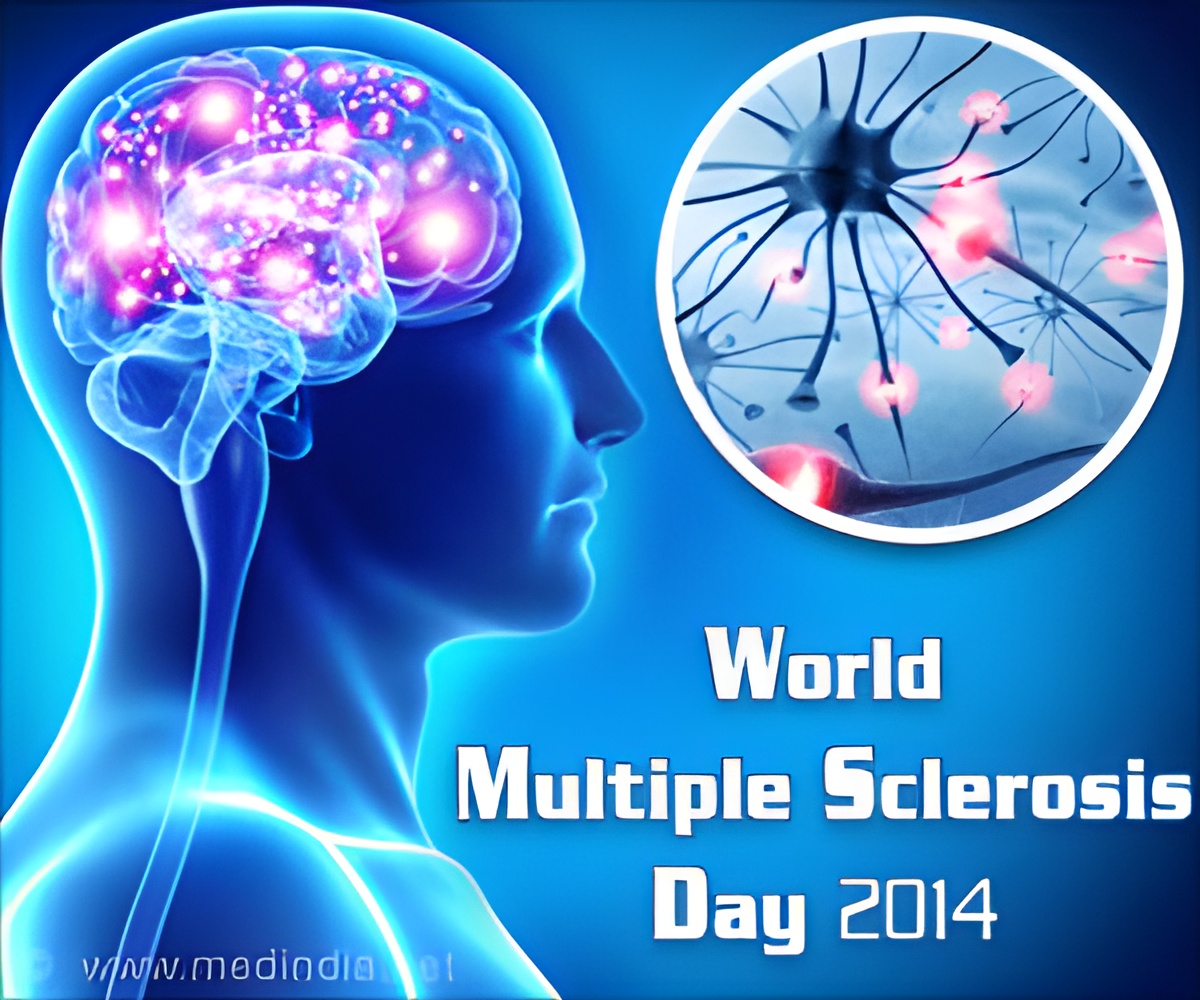
World Multiple Sclerosis Day 2014 with its theme ‘Access’ aims at raising global awareness on Multiple Sclerosis, the disease affecting young adults, and improving the quality of life of MS sufferers.
Multiple sclerosis - Symptoms - Causes - Diagnosis - Treatment
Multiple sclerosis can be a severely disabling autoimmune disease that affects the myelin or insulating layer of the nerve fibers and typically has remissions and relapses
Multiple sclerosis can be a severely disabling autoimmune disease that affects the myelin or insulating layer of the nerve fibers and typically has remissions and relapses
Unlike many other diseases and conditions, diagnosis of Multiple Sclerosis is not straightforward as the symptoms and signs are very vague. The symptoms may occur sporadically, with relapses and remissions, or may be progressive.
Fatigue is the most common symptom of MS, occurring possibly due to structural abnormality in the brain with demyelination (damage to the protective covering of the nerve cells) and axonal loss. Other symptoms include cognition and emotional changes, bladder and bowel control problems, sexual dysfunction due to sensory loss, loss or blurring of vision and movement and coordination problems.
Drugs for Multiple Sclerosis
View list of generic and brand names of drugs used for treatment of Multiple Sclerosis. Find more information including dose, side effects of the Multiple Sclerosis medicine.
View list of generic and brand names of drugs used for treatment of Multiple Sclerosis. Find more information including dose, side effects of the Multiple Sclerosis medicine.
Help for patients with Multiple sclerosis is available worldwide and in many forms. One can go for disease modifying treatments that aim to prevent or reduce the relapses of MS, treating symptoms with drugs such as immunosuppressants, rehabilitation and physical therapy and alternative therapies.

Nanoparticles can Arrest Multiple Sclerosis
Nanoparticles can be easily produced in laboratory and can be standardized for manufacturing and they can render the potential therapies quite cost friendly and easily accessible to general people.
Nanoparticles can be easily produced in laboratory and can be standardized for manufacturing and they can render the potential therapies quite cost friendly and easily accessible to general people.
With the onset of MS, affected persons need to accept the challenges posed by the condition and change to healthy lifestyle habits like eating and exercising well. A well-balanced diet is recommended, with low-fat and high fiber. Regular exercise helps to improve strength, overcome fatigue and also stabilize mood. Stretching, low impact aerobics, strength training, etc can be done after consulting the doctor.

Scientists Explain How Infections Triggers Autoimmune Disease
A 'weak link' in the immune system was confirmed by Australian scientists.
A 'weak link' in the immune system was confirmed by Australian scientists.
References:
1. http://worldmsday.msif.org/
2. http://www.msif.org/about-ms/
Source-Medindia
 Email
Email