A recent report indicates that obese children who lose weight as they reach adulthood can significantly decrease their risk of heart diseases.
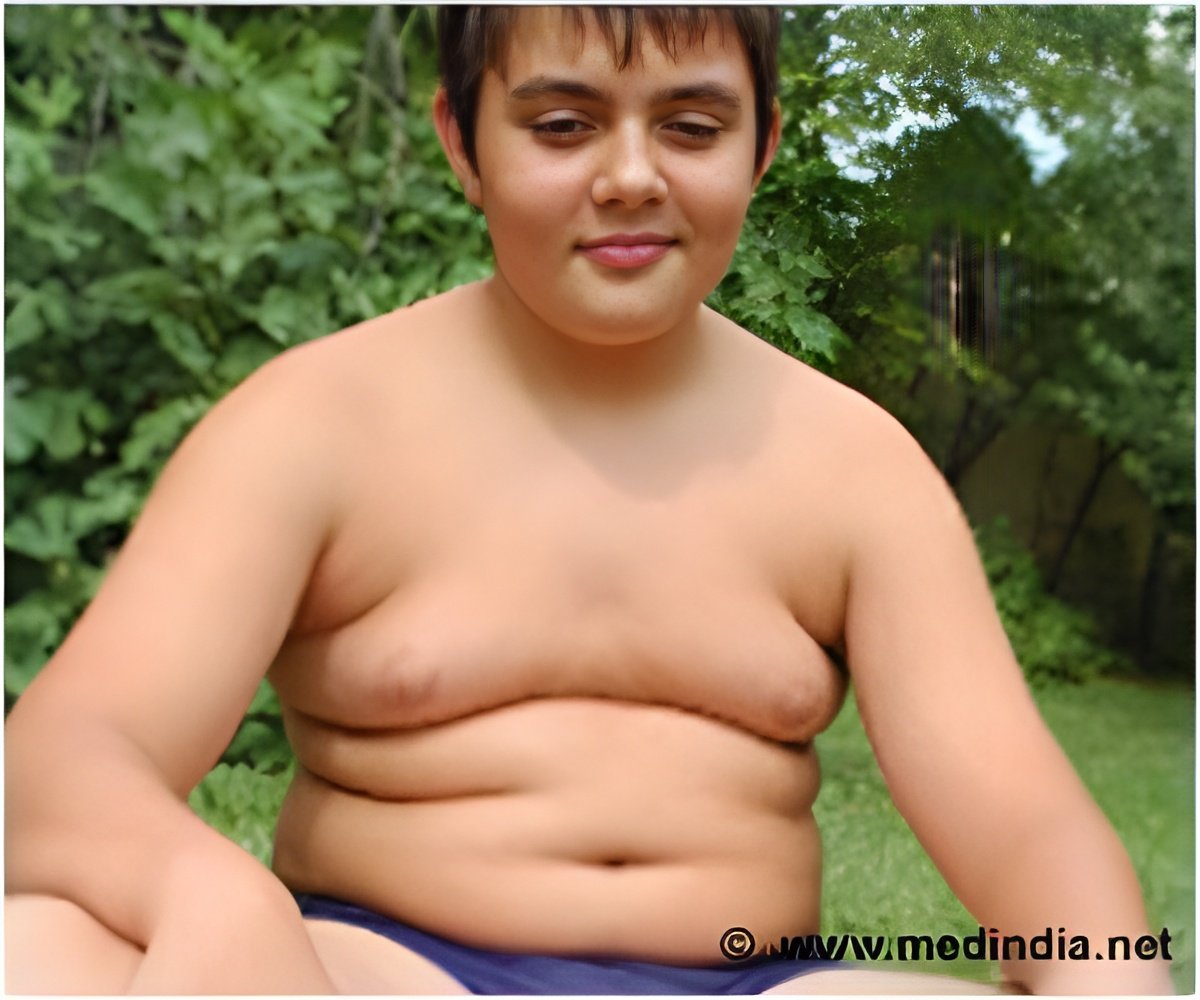

Childhood Obesity
Diseases that were ‘Adults only’ now have a special preference for children. The cause is no great mystery and we all know it -childhood obesity
Diseases that were ‘Adults only’ now have a special preference for children. The cause is no great mystery and we all know it -childhood obesity
Data from four large studies of risk factors of heart disease were analysed. These studies that tracked risk factors over two decades found that weight loss produced a dramatic reduction of the risk of type 2 diabetes, hypertension, dyslipidemia, and carotid-artery atherosclerosis in young adulthood. 6328 subjects were included in the study. The heart disease risk profile of obese or overweight children who became nonobese by young adulthood was similar to those of subjects who had been of normal weight throughout their lives. The data also showed that persons who had normal BMI in childhood but who became obese as adults had adverse risk-factor profile.
If the hypothesis is true, it definitely is a cue for physicians to rewrite the age old statement that ‘once childhood obesity is established, cardiovascular risk is also determined’. Treatment of childhood obesity may substantially reduce the risk of heart disease.

Mantra to Prevent Childhood Obesity - Vigorous Physical Activity
Being physically very active is the mantra to prevent pediatric obesity rather than concentrating efforts at restricting energy consumption.
Being physically very active is the mantra to prevent pediatric obesity rather than concentrating efforts at restricting energy consumption.
The study, published in The New England Journal of Medicine, has a major limitation that the subjects were predominantly white. Authors caution against generalising the results to other races or ethnic groups.
Advertisement

Childhood Obesity and Heart Disease Risk Later in Life Linked
According to a new study, obesity alone can increase the risk of future heart disease and stroke in kids, as young as seven years of age.
According to a new study, obesity alone can increase the risk of future heart disease and stroke in kids, as young as seven years of age.
Source-Medindia

Childhood Obesity Ups Heart Disease Risk
Kids as young as 10 are face an increased risk of heart disease due to obesity, says childhood obesity expert.
Kids as young as 10 are face an increased risk of heart disease due to obesity, says childhood obesity expert.