MEDINDIA
 English
 हिन्दी
 Español
 français
 中文
中文
In a recent study, free thyroxine levels (FT4) were found to positively correlate with development of Age-related macular degeneration (AMD).

Age Related Macular Degeneration (AMD) - Causes, Symptoms, Diagnosis, Treatment & Prevention
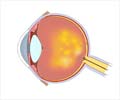
Age related macular degeneration is a disease of the elderly, wherein the macula or the central part of the retina gets affected, leading to loss of vision.
Age related macular degeneration is a disease of the elderly, wherein the macula or the central part of the retina gets affected, leading to loss of vision.
The researchers studied data collected from 5,573 participants from the Rotterdam Study in the age range of 55 years or older. The Rotterdam Study is a population-based cohort study to examine factors that determine the occurrence of cardiovascular, neurological, ophthalmologic, psychiatric, and endocrine diseases in the elderly population residing in Ommoord, a suburb of Rotterdam. The study began in 1989.
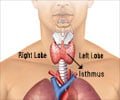
In the current study, the researchers explored correlations between free thyroxine (FT4), thyroid-stimulating hormone (TSH) and development of AMD. TSH is a regulatory hormone that controls the release of thyroid hormone. A low level of TSH is seen in hyperthyroidism while a high level is seen in hyperthyroidism. The aim of the study was to find an association between FT4, TSH with retinal pigment alterations (RPA), which act as an early warning for retinal damages.

Hypothyroidism - Causes - Symptoms - Diagnosis - Treatment - FAQs
Symptoms of hypothyroidism are often general, unspecific changes in the body. Lethargy, weight gain, stiffness and cramping of muscles are some of the symptoms of hypothyroidism.
Symptoms of hypothyroidism are often general, unspecific changes in the body. Lethargy, weight gain, stiffness and cramping of muscles are some of the symptoms of hypothyroidism.
The study has significant implications for clinical practice in terms of treating hypothyroidism with thyroid hormone. The researchers suggest a cautious approach to treating subclinical hypothyroidism, a condition where FT4 levels are normal but TSH levels are high. The researchers also suggest that treatment of thyroid cancer, which involves suppressing TSH, could possibly lead to development of AMD. However, further studies are required to establish the same.
References:
1. Chakar, L., Buitendijk, G., Dehghan, A., Medici, M., Hofman, A. et al. (2015). Thyroid function and age-related macular degeneration: a prospective population-based cohort study - the Rotterdam Study. BMC Medicine, 13:94, doi:10.1186/s12916-015-0329-0. Accessed on 5 August 2015 from http://www.biomedcentral.com/1741-7015/13/942. Ittermann, T. & Jürgens, C. (2015). Thyroid function: a new road to understanding age-related macular degeneration? BMC Medicine, 2015; 13:95, doi: 10.1186/s12916-015-0343-2. Accessed on 5 August 2015 from http://www.ncbi.nlm.nih.gov/pmc/articles/PMC4407388/
Loss of Anti-aging Gene Possible Cause of Age-related Macular Degeneration
Researchers have found that loss of an anti-aging gene induces retinal degeneration and might contribute to age-related macular degeneration, the major cause of blindness in elderly people.
Researchers have found that loss of an anti-aging gene induces retinal degeneration and might contribute to age-related macular degeneration, the major cause of blindness in elderly people.
Source-Medindia
 Email
Email