MEDINDIA
 English
 हिन्दी
 Español
 français
 中文
中文
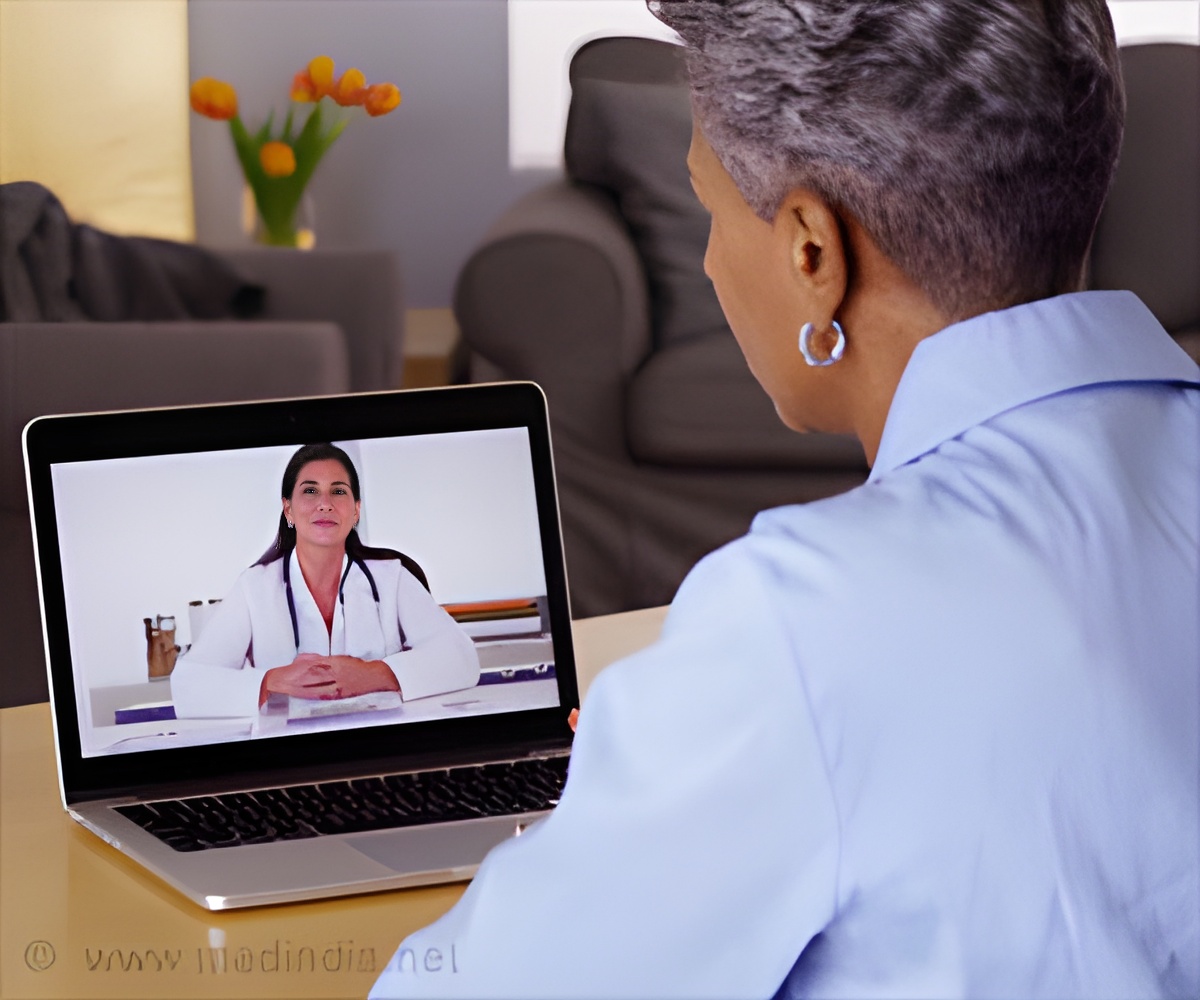
Care for older adults can be challenging mainly because of limited mobility. Find out how telegeriatric care can help identify causes of memory problems and even treat them.

Diseases Related to Old Age
Ageing is referred to the accumulation of changes that brings a person closer to death.
Ageing is referred to the accumulation of changes that brings a person closer to death.
The Use of Telegeriatric Consultations for Older Adults with Memory Disorders
A recent scientific study conducted by a group of reputed Australian doctors investigated the feasibility and reliability of diagnosing dementia via a telegeriatric consultation. The study showed that the doctors were able to accurately diagnose Alzheimer’s, dementia and lower levels of cognitive impairment. Furthermore, doctors found that the stress of traveling a long distance for a doctor’s appointment could have a negative impact on the patient’s memory and cognitive assessment tests. The patient’s poor performance would in turn, affect the doctor’s diagnosis and treatment plan. A telegeriatric consultation eliminates the unnecessary stress and therefore the test results are more accurate. In the follow-up satisfaction survey, the patients and their caregivers were satisfied with the telegeriatric memory disorder consultation. They stated that the clarity of the sound and video helped them to communicate effortlessly with the doctor and felt that they received the same level of privacy as compared to a regular consultation. Every patient who participated in this trial indicated that they preferred a telegeriatric consultation to traveling to the doctor’s office. The patients’ caregivers also echoed this sentiment and said that they would request a telegeriatric consultation if a follow-up session was required.While the medical community has accepted the practicality of telegeriatric consultations for follow-up sessions with patients, most doctors shy away from using video conferencing to make a diagnosis. While physical ailments would require an in-person consultation in order to obtain a definite diagnosis, mental disorders such as dementia do not have physical symptoms and so it is possible to make a diagnosis via a video conference. The doctors who conducted this trial found that it would be feasible to set up a clinic that provided telegeriatric consultations for memory disorders and local GPs (General Practitioners) could then refer patients to this clinic based on the requirements of the individual.

Can Telemedicine Ease Geriatric Depression?
Studies have shown a high rate of depression among elderly homebound individuals, and few patients receive adequate treatment, if any.
Studies have shown a high rate of depression among elderly homebound individuals, and few patients receive adequate treatment, if any.
The Role of Telegeriatrics in Senior Care
Less Physical and Emotional Stress: Going to the doctor can be stressful for children and grown-ups alike but it can be particularly demanding for older people. The sheer physical exertion, discomfort and pain do not always end with the commute as patients are often forced to wait for over an hour for the doctor even though they have an appointment. A one hour wait would simply mean frustration and annoyance for a younger person but to a senior, it can be downright painful as their joints cannot take the pressure of sitting in one position for that long. Older people also have weaker immune responses and so they are at a higher risk of contracting an infection from other patients in the doctor’s waiting room.
Older Patients may Become Independent Again After Trauma Via Geriatric Care
A new study says that older patients who received extra geriatric care following a traumatic injury were able to return to roughly two thirds more daily activities.
A new study says that older patients who received extra geriatric care following a traumatic injury were able to return to roughly two thirds more daily activities.
Lower Health Costs: Telegeriatric consultations can reduce costs by up to 50 percent as it completely eliminates traveling costs. Health care for older adults has become a lot more expensive and traveling to and from the doctor’s clinic adds to these costs. In cases where the patient is unable to go to the doctor’s office and the doctor makes a home visit, the charges for the visit can be several times the fees for a regular consultation.

Indian Government to Open More Geriatric Care Units
The Indian government is set to open geriatric care units in 221 more districts across country, committed to take special care of senior citizens above 75 years of age.
The Indian government is set to open geriatric care units in 221 more districts across country, committed to take special care of senior citizens above 75 years of age.
References:
1. Martin-Khan, M., Salih, S., Rowland, J., Wootton, R. and Gray, L. (2015) General Practitioners, Patients, and Care Givers Support the Use of a Telegeriatric Memory Disorder Consultation for Older Adults. Advances in Alzheimer's Disease, 4, 1-9. doi: 10.4236/aad.2015.41001.2. Bowles, K. H., Dykes, P., & Demiris, G. (2015). The Use of Health Information Technology to Improve Care and Outcomes for Older Adults. Research in Gerontological Nursing, 8(1), 5–10. doi:10.3928/19404921-20121222-01
Source-Medindia
 Email
Email